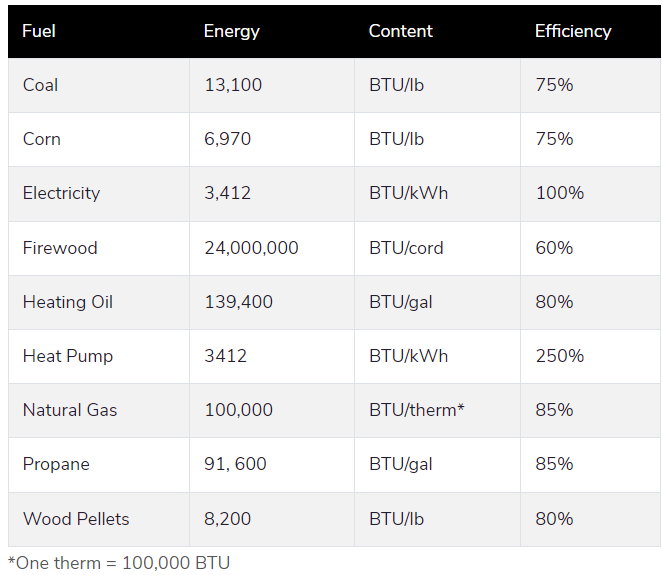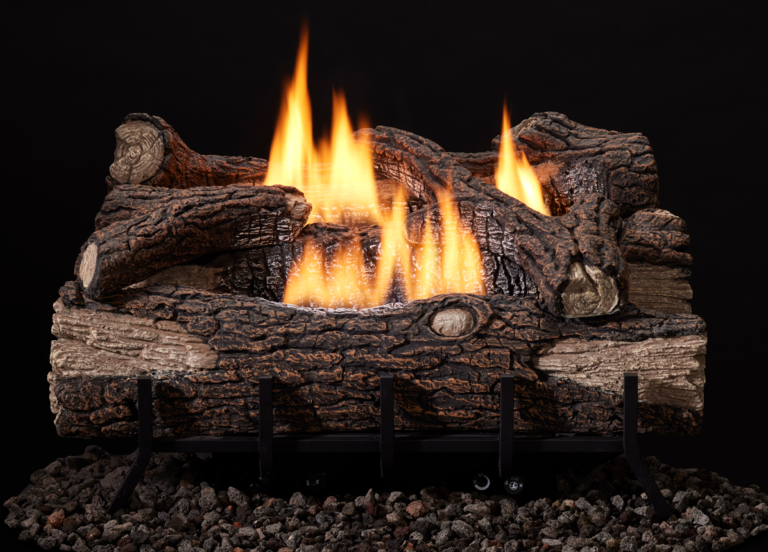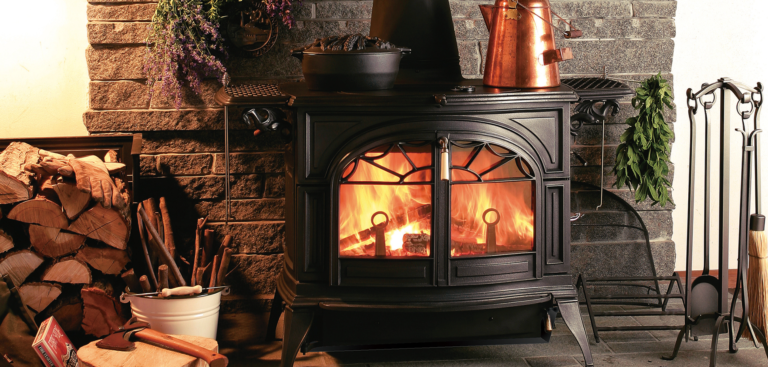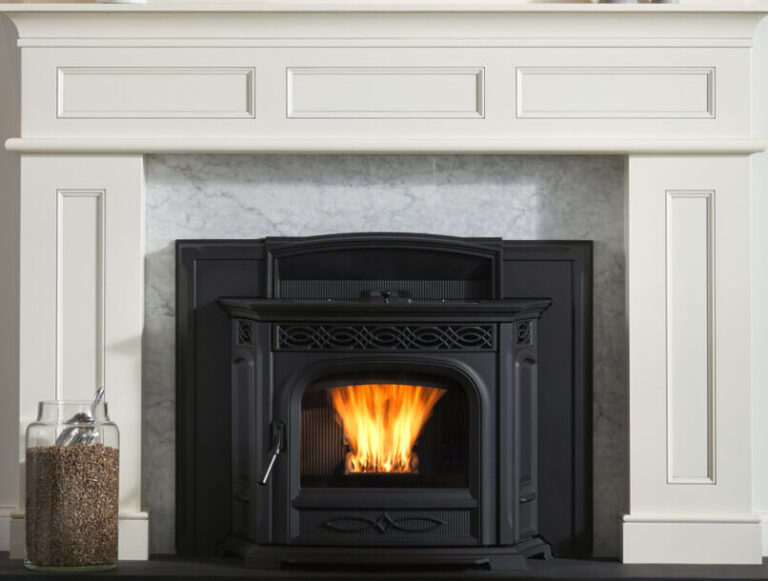





WOOD PELLETS…………. $0.34 /hour or $1488 /seasonal average
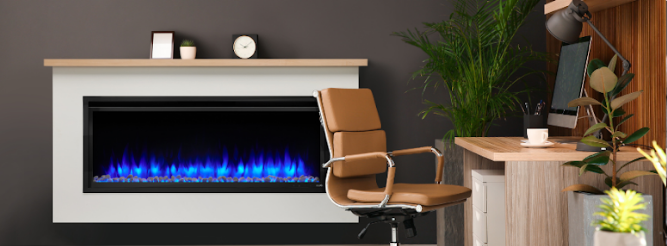
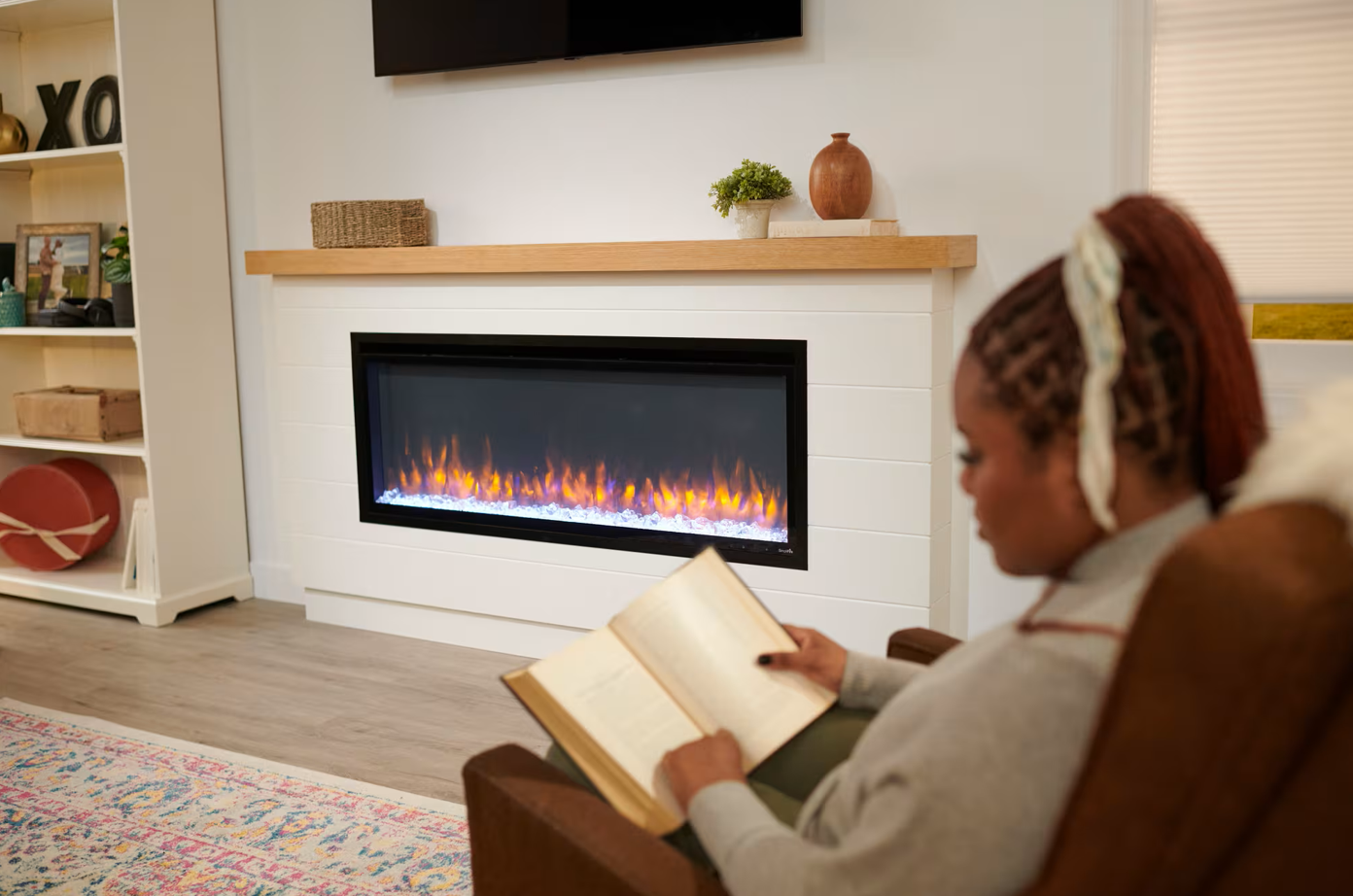
ELECTRIC…………………..$0.39 /hour or $580 /seasonal average
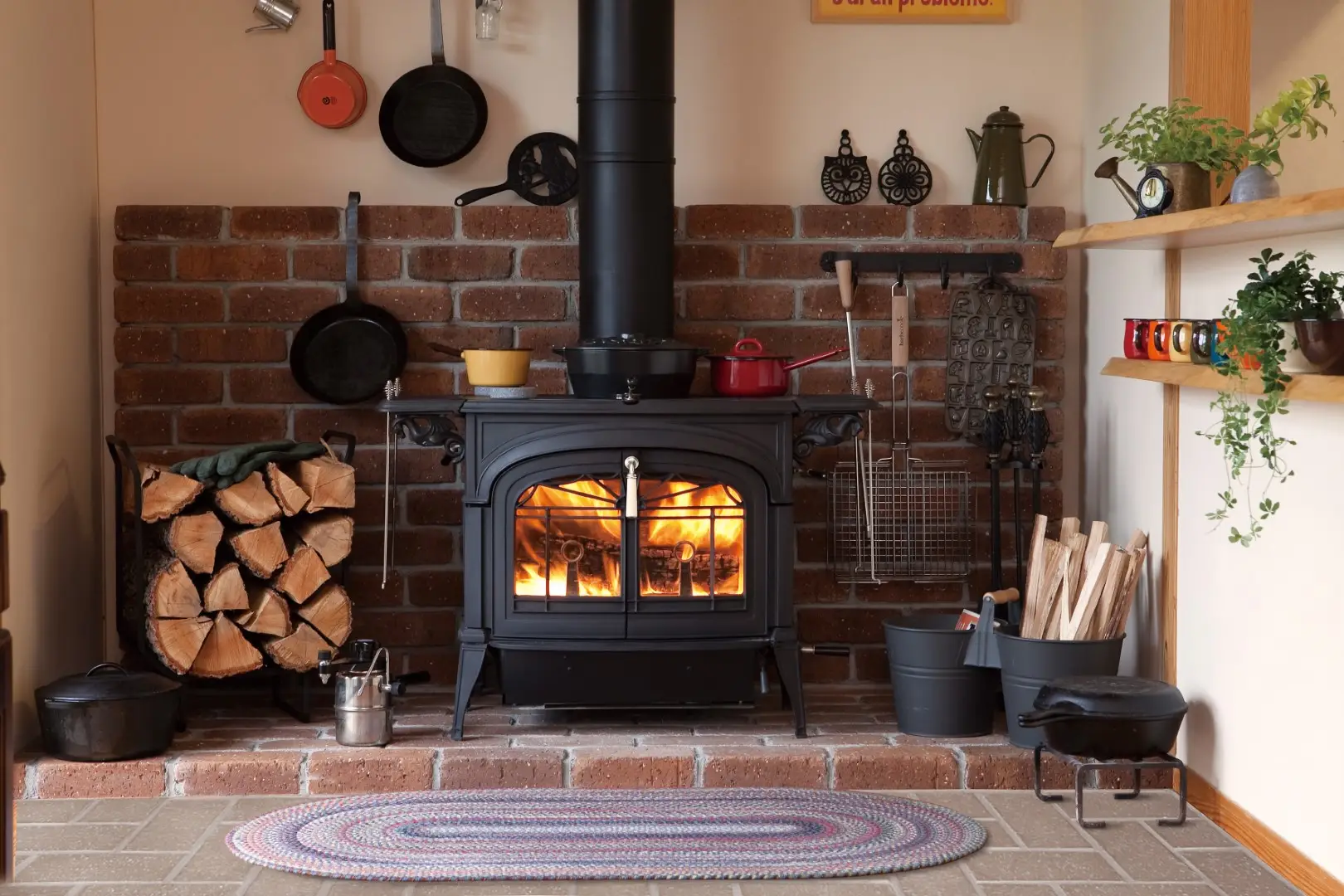
WOOD………………………..$.60 /hour or $900 /seasonal average
NATURAL GAS (NG)……. $1.06 /hour or $930 /seasonal average
PROPANE (LP)…………… $1.32 /hour or $1200 /seasonal average
“Knowledge is power.” – Francis Bacon
Purpose of this info is to help you make the best possible decision for your home. This guide was complied using numbers from the state of Pennsylvania. If you live in another state, much of this info will be applicable, but you may need to search elsewhere for specifics about natural gas and electric utilities.
The average “burn season” for fireplaces and stoves is 186 days.
All information is based on research conducted and an interpretation of the available data. If you are able to provide information contrary to what is available here, please reach out and help us improve this resource. It is surprisingly difficult to keep this guide useful and relevant. Any input is grateful appreciated.
Warmly, The Stove Shop
Average fuel cost: $1.06 per hour or $930 per season average
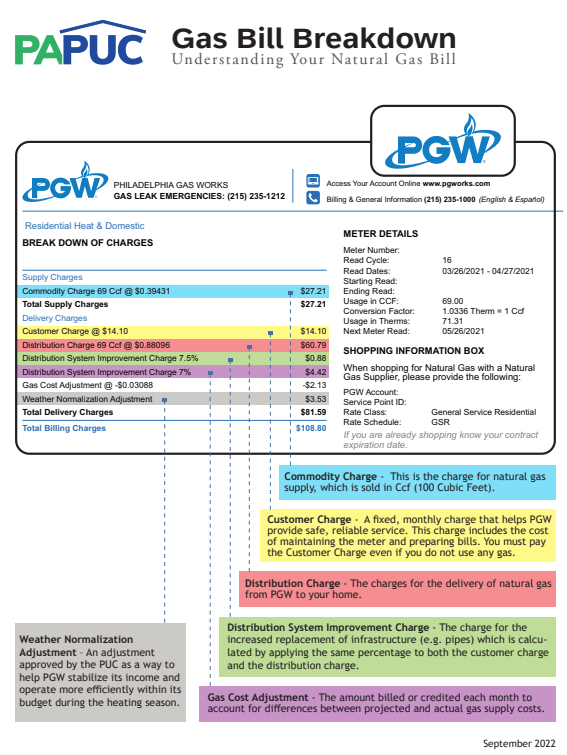
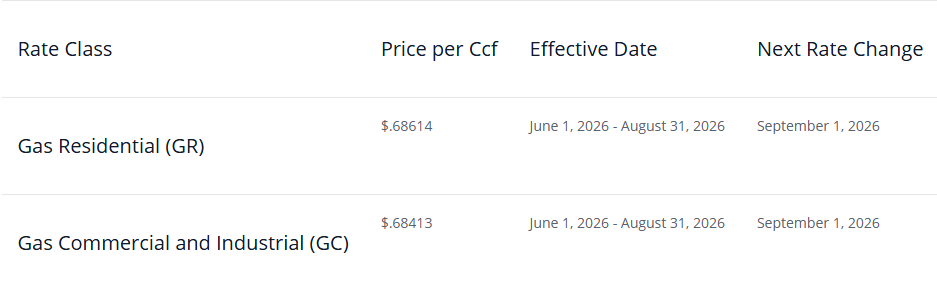
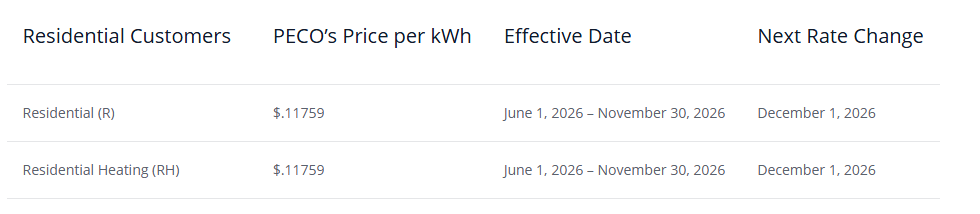
Average cost per CCF (plus the large delivery fees) of natural gas in Pennsylvania is higher than you may initially anticipate. If you use 80 CCF per month PECO charges you $114.13 as of 2026. Information beyond this is difficult to find.
$0.53 per CCF + $130 average in fees = $1.06 per hour to burn natural gas in your fireplace as of December, 1 2025.
On average, a natural gas fireplace burns for 2 hours per CCF. You should expect to consume 1.8 gallons of natural gas to use your gas fireplace for 4 hours. (Average natural gas fireplace user burns their gas unit for about four hours per day.) Four hours per day multiplied by 186 days in the burn season is how we get this answer.
This is according to data collected from PECO, UGI and other natural gas providers around Pennsylvania. Fees vary depending on provider and should be a major consideration with natural gas that is not immediately clear in the advertised price. The price of natural gas is frankly, a bit misleading. The fees and surcharges are not accurately represented in the marketing materials provided.
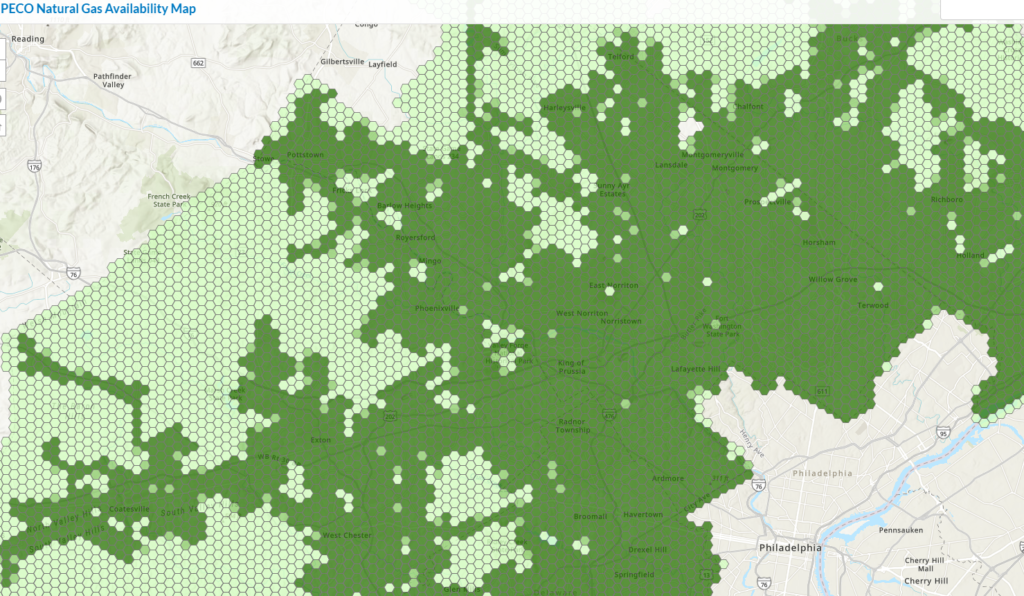
It is uncommon to see the average gas fireplace enjoyer burn their unit for 24 hours per day. (Yearly service for gas hearth appliances is highly recommended.) The only requirement is having access to natural gas (NG) (PECO Natural Gas Availability Map).
You need to make sure you have natural gas access with the PECO Natural Gas Availability Map. Natural gas is a wonderful fuel to keep you and your family warm with an insert, stove, linear design or more. You can save money by turning down your home’s heat and running your gas fireplace where you live. Do not waste money heating where you sleep.
Gas is easy to turn on and shut off. This keeps your heating fuel consumption to a minimum in the winter compared to an oil boiler or heat pump using electricity heating your whole home. The delivery charges are to be paid attention to as time passes.
Learn more about gas fireplaces:
Average fuel cost: $1.33 per hour or $1200 per season average
$2.94 per gallon (as of 1/6/2026)
A propane gas fireplace burns on high for 2.2 hours per gallon. Propane gas fireplace users enjoy their appliance for 4-6 hours per day. They consume an average of 2 gallons of propane per day to enjoy the over 30,000 BTUs provided by their propane gas fireplace for those 4-6 hours.
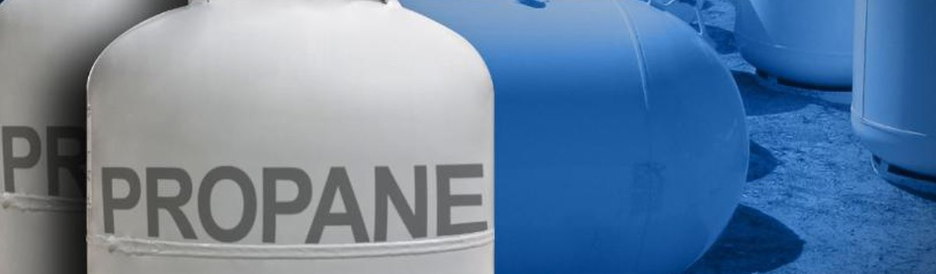
Every fuel type serves a different need. Propane gas (LP) is wonderful if you want to hit a button and have an instant flame. It is also available to everyone as long as they have a propane fuel tank.
Propane gas fireplaces, stoves and inserts are great for people who want to use their fireplace for 3-5 hours per day with very little friction. Propane is a good option for people that do not have access to Natural Gas. The only requirement is having a propane tank.
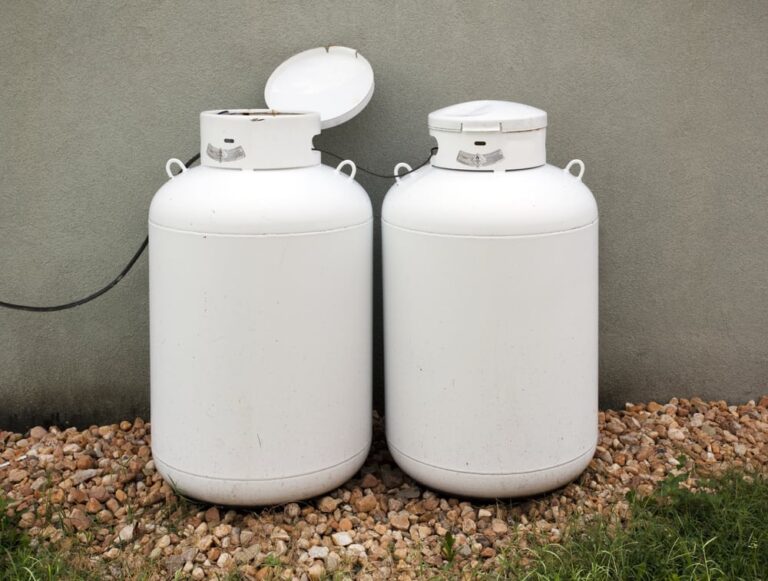
Usually we see folks get two 100 lbs. tanks or bury a 320 lbs. tank to power their home’s propane needs.
Learn more >> What does it cost to get a new propane tank installation?
How does a BTU impact my fuel costs?
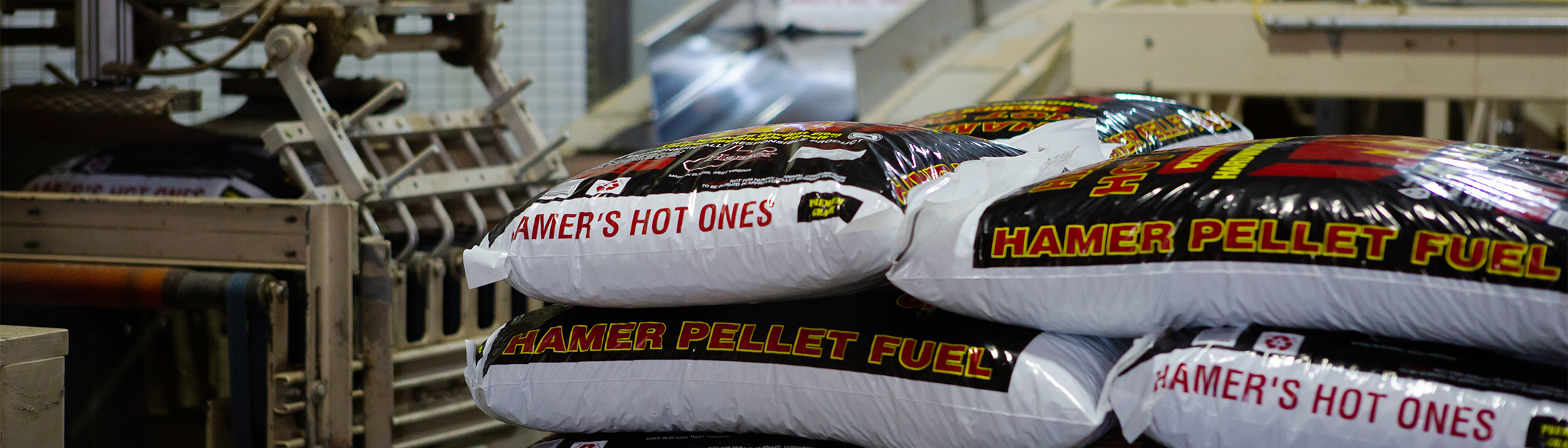
Average fuel cost: $.34 per hour or $1488 per season average
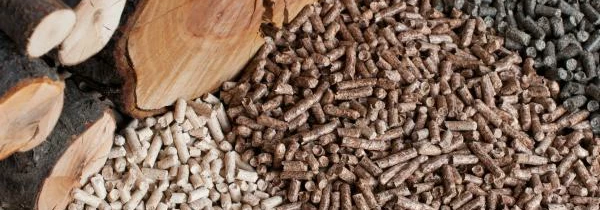
Overall burn time for pellet stove and pellet fireplace insert users is much higher than gas. Pellet stoves and pellet fireplace inserts are excellent options for folks who want to run their alternative heating appliance all of the time, even when no one is home to tend the fire.
The average pellet stove user burns their unit for 12 – 18 hours per day. Common rule of thumb: a bag of pellets lasts about 24 hours (although this is heavily dependent on your heat settings).
Every fuel type serves a different need. Pellet, gas and wood all have good and bad.
Pros: Pellets are wonderful if you want constant heat, even when you are not home. They are like a small furnace, typically less visually appealing than a gas or wood unit. Pellet stoves and fireplace inserts are great for people who want to use their unit all day with very little friction. Pellet stoves can be set on a schedule and are a tremendous ally throughout the winter. Families everywhere love their basement pellet stoves.
Cons: You need a place to store your bags of pellets and the strength to pick up a 40 pound bag and pour it into the pellet stove. Regular cleaning and maintenance is needed. Pellet stoves & inserts require more maintenance than both gas or wood due to the buildup of ash near electronic components and high heat. (We recommend a Cougar Ash Vac.)
Average fuel cost: $.60 per hour or $900 per season average
Wood is reliable. It just works!
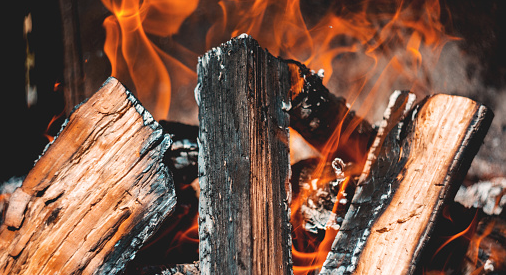
If you want consistent heat, even when the world ends, wood works. As long a you burn seasoned wood you are good to go. Wood keeps fire simple and only requires chimney sweeping for maintenance. Wood burning is for people who have the time and space to tend to a fire. You need to add logs manually and manage the burn, unlike with both gas and pellet.
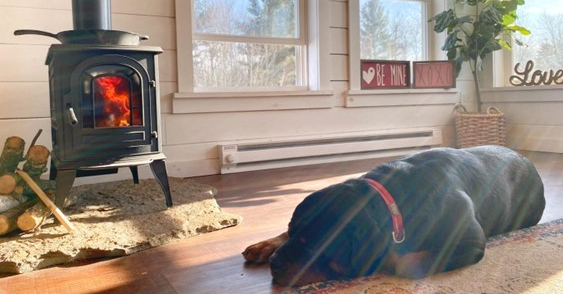
Wood offers a unique type of special heat that evokes nostalgia. There is nothing quite like a wood fire. Wood is great if you have oil heat and need a way to heat where you live during the cold months (zone heating). It can help families save big money during the winter and ensures that you will always have a heat source, even when the power goes out.
It is important to understand how the EPA forces manufacturers to test their stoves using crib wood instead of cord wood in order to get the most out of your personal stove in your home’s unique conditions.
Average fuel cost: $.39 per hour or $580 per season average
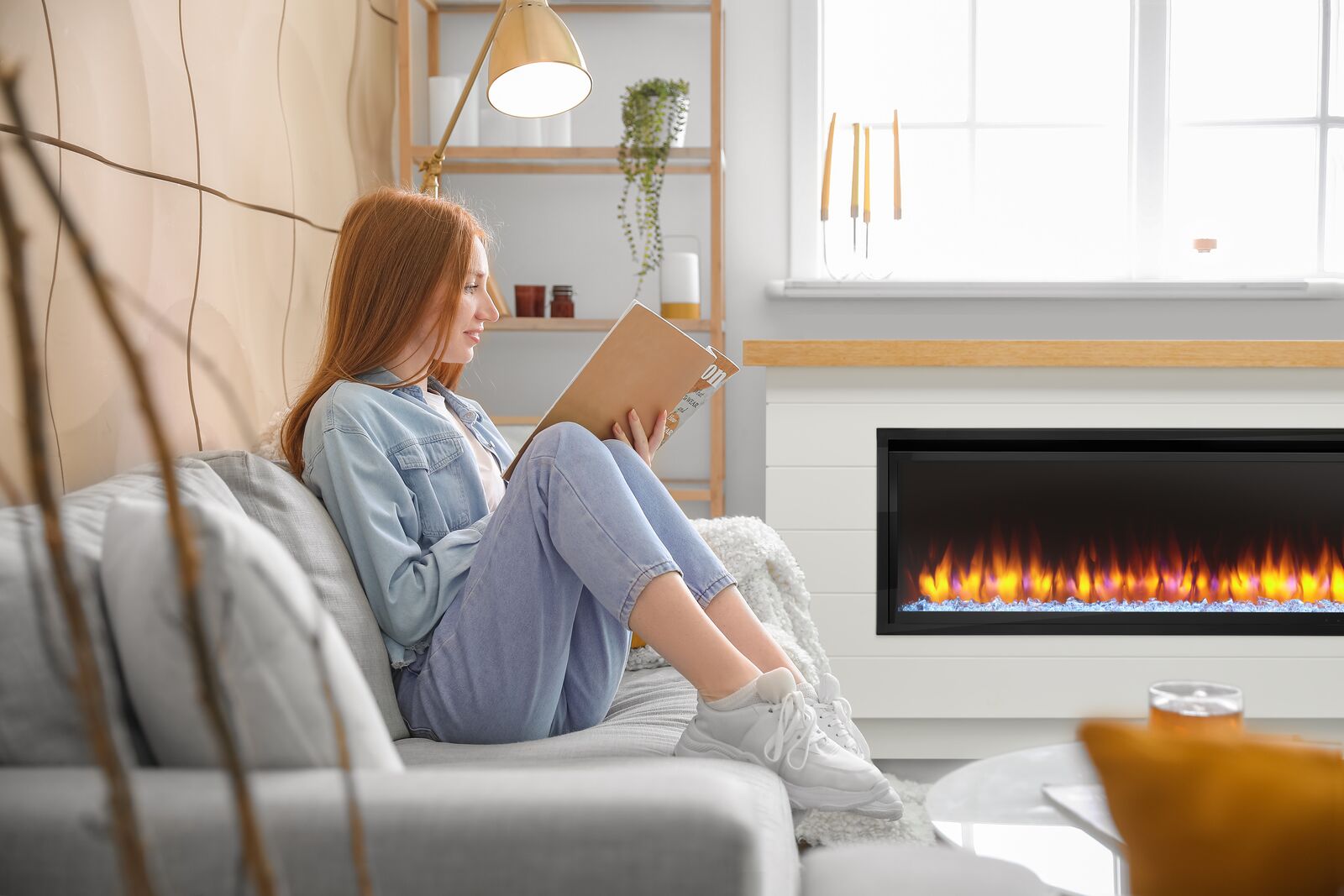
750 watts – 1500 watts per hour depending on if your appliance is 120 volts or 240 volts. The most heat an electric fireplace can provide is either 5,000 or 10,000 BTUs. The nicest electric fireplaces use 1500 watts hourly and cost about .39 cents per hour.
We find that electric fireplaces are so easy to set and forget that they can become nearly permanent fixtures in a home during the winter. Many folks prefer to turn off all the power hungry appliances at night. Electric fireplaces are all about the ambiance meaning that they need to be ON to create their true impact. The heat is a secondary benefit of electric fireplaces for most folks. We see an average usage for most electric fireplaces of 8 hours per day.
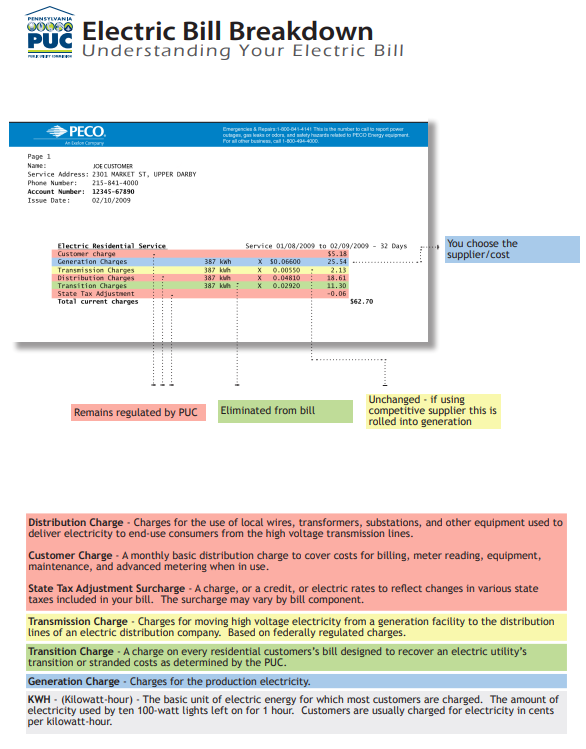
You would think that you pay for the electricity you use, but you also pay to maintain the system in order to have electricity. This distribution charge accounts for nearly half of your overall electricity bill.
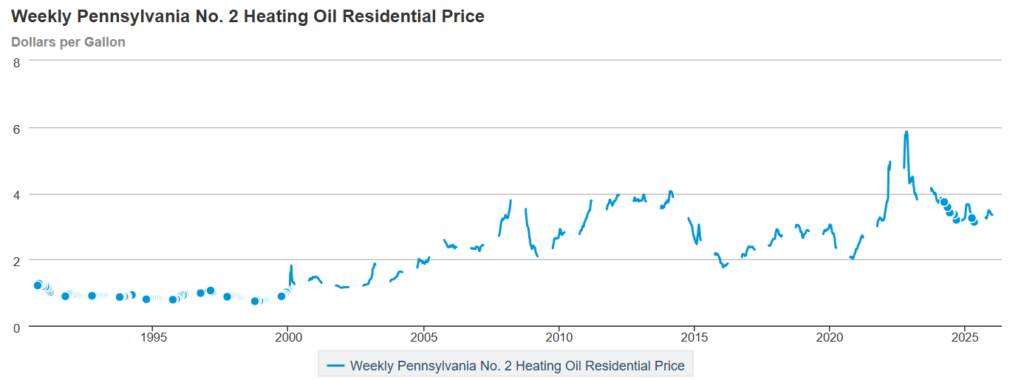
Average fuel cost: $.42 /hour or $3644 /year average
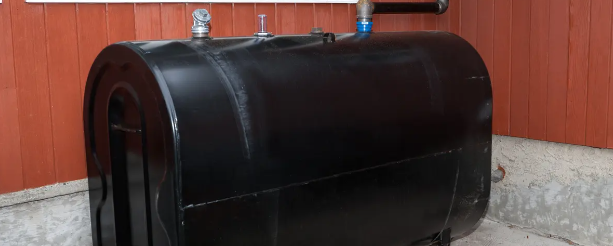
Oil is the primary home heating option for many homeowners in Pennsylvania. Heating oil is used in many homes as a primary heat source via boilers and furnaces. If you have radiators in your older home, there is a high chance you have oil.
Using Oil as your only source of heat in the winter is an expensive heating option because it runs all day. Radiators located all around your home don’t heat a specific space comfortably. (You can’t turn the heat up in one specific room in your home, causing some rooms to get too hot or too cold.)
Experienced fireplace and stove guys like to say, “heat where you live.” Do not waste money heating rooms that you do not spend any time in throughout the day. A wood stove for example creates tremendous, impactful heating in your primary living space. A pellet stove can take the chill off in a garage or basement. Gas inserts can be turned on with the touch of a button and create heat for a few hours while you watch TV at the end of the day.
Reducing oil usage and heating a specific zone in your home saves money by using less oil. Now you only need to heat one or two rooms, rather than your entire home! Oil burns all year and is required for elements of your home to run, it will be used up primarily for heating water. The goal here is to reduce overall heating oil usage as much as possible.
From the author and owner of The Stove Shop in Phoenixville, PA: “As a person who still uses primarily heating oil in my historic Pennsylvania farm home, I have lots of experience paying the oil company. We have baseboard heat powered by an oil burner. The oil burner also acts as a boiler and provides my home with hot water. We use a lot of oil and filling up with 440 gallons of oil empties my bank account at least twice a year. My goal is to reduce oil usage as much as possible.
Zone heating with a wood stove in my living room allows for me to turn down my thermostat in the home. My wood stove decreases my oil usage significantly. We feel the impact most on cold-ish days when we don’t want to turn on the heat in months like October, November, March and April. Those early fall and spring months can be expensive with baseboard heat and a wood stove’s direct heat takes off some serious chill.”
Happy Heating!
– Patrick
Every fuel type serves a different need. Here are some things to consider when choosing the best fuel type for your fireplace or stove in Pennsylvania.
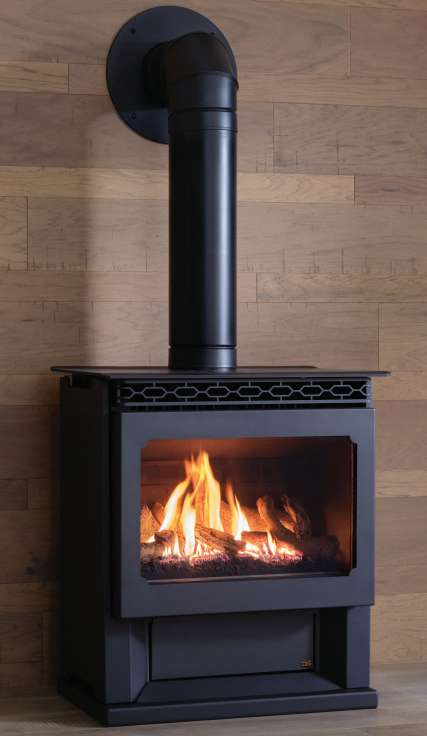
Gas Fireplaces or Gas Stoves
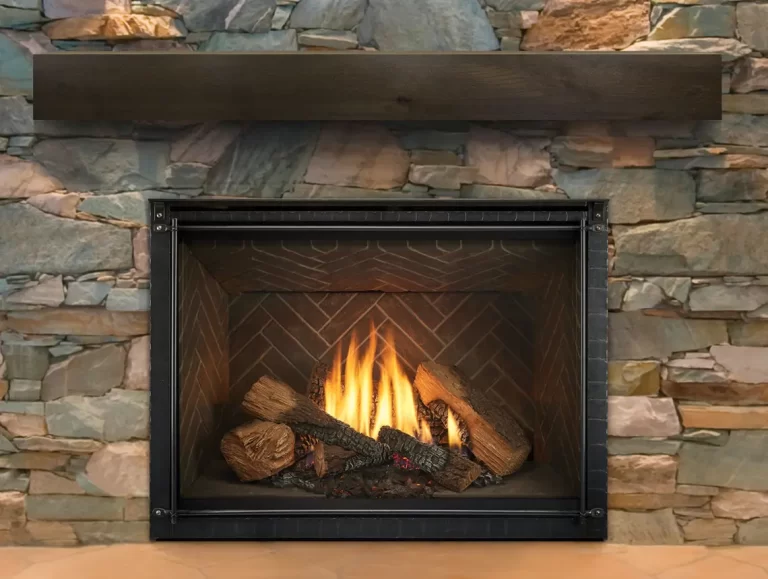
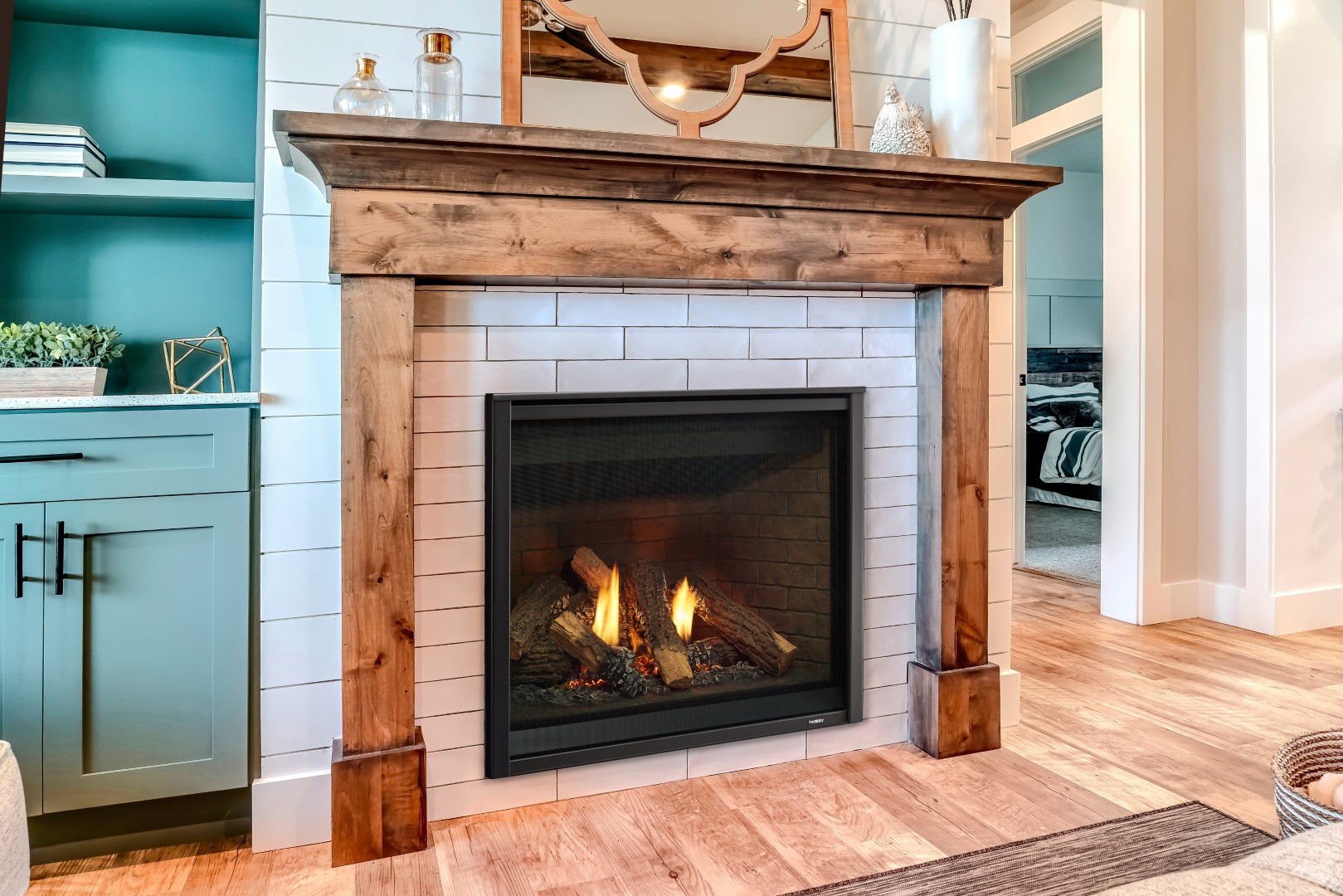
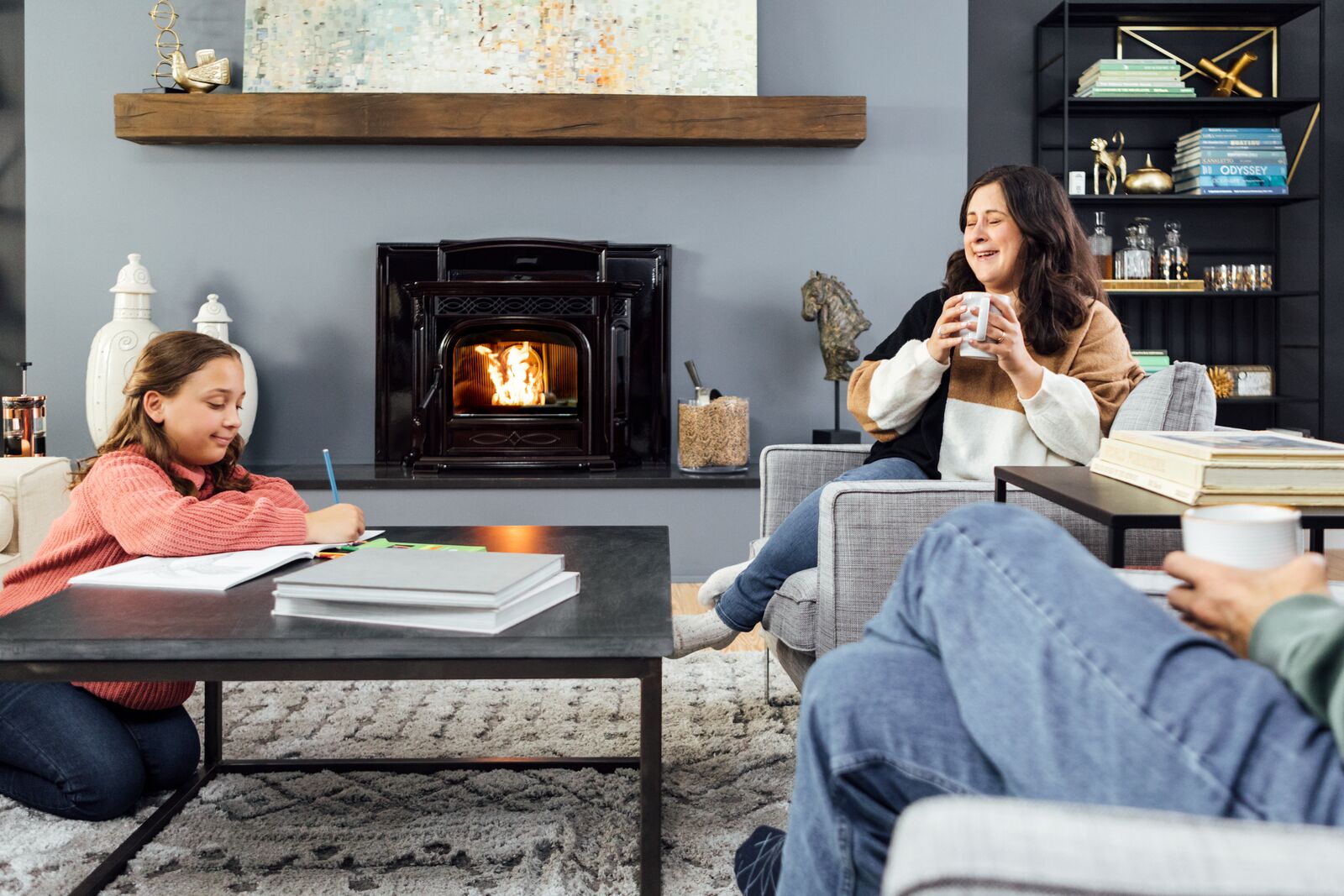
Natural gas & propane fuel are wonderful if you want to hit a button and have an instant flame. Gas fireplaces, stoves and inserts are the perfect solution for families who want to use their fireplace for 3-6 hours per day with very little inconvenience.
Pellet Fireplace Inserts or Pellet Stoves
Pellet is good for very cold spaces that need constant heat without needing to be babysat. The flame is not as beautiful, but the heat from a pellet stove fireplace insert is eye watering. The Harman Accentra52i and Absolute63 can reach upwards of 60,000 BTU’s!
Wood Fireplace Inserts or Wood Stoves
Wood fuel provides a beautiful flame and quality heat that is best for folks who can tend the fire every few hours. If you have wood available and a place to store it with the time to load it into your wood fireplace or wood stove then this is the best solution. Wood tends to be a young man’s game for most folks considering the additional work involved with storing and managing wood fuel.
Electric Fireplaces or Electric Inserts
Electric provides ambient warmth for any budget or home project. The convenience and ease of installation makes this fuel type very appealing for many folks without access to traditional wood, gas or pellet fuels. Electric fireplaces are wonderful for apartments and new construction homes that want a fireplace without the high cost of a direct vent gas fireplace.