facebook pixel

You Just Moved Into a Home with a Fireplace – What’s Next?

A fireplace can be one of the most beautiful and comforting features in a home. If you’ve just moved in, you should never light it without a safety check. Whether your fireplace is wood-burning, gas, or pellet, here’s your step-by-step guide to making sure it’s safe, efficient, and ready to enjoy.

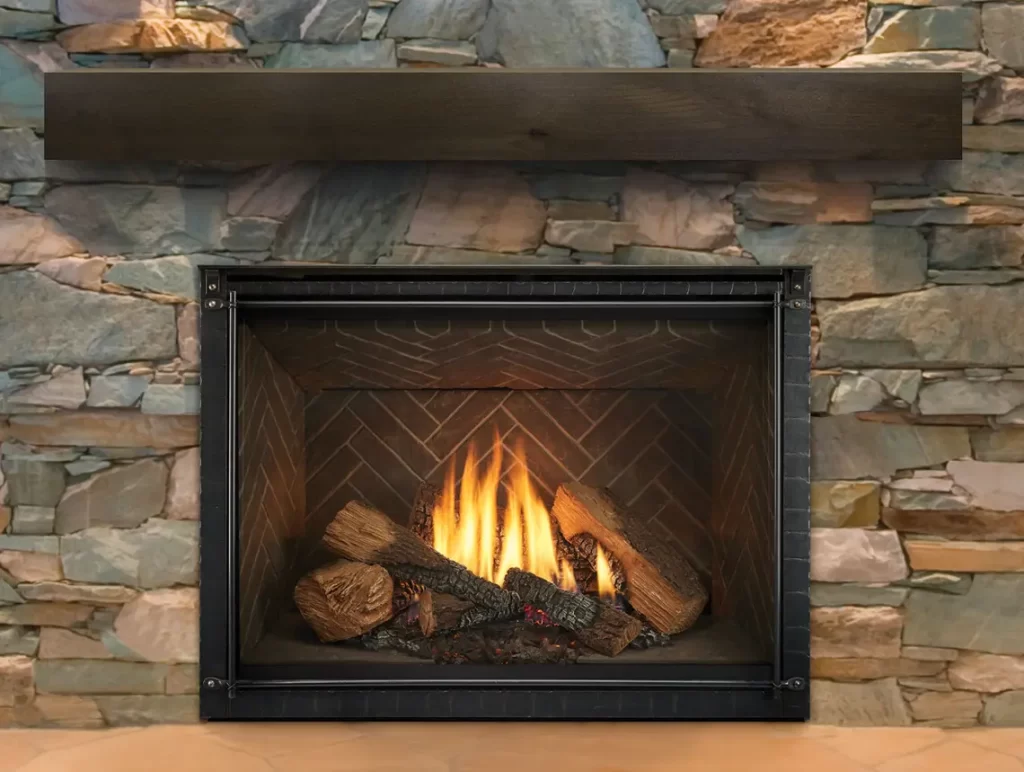
Gas Fireplace

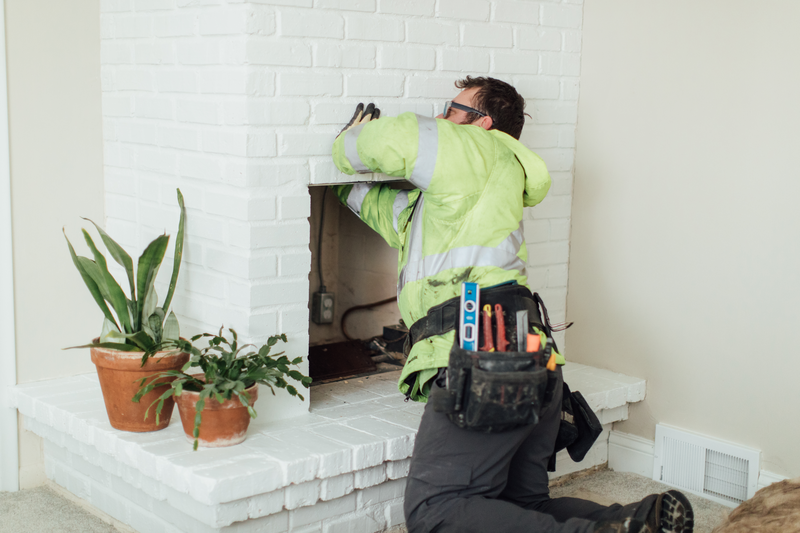
1. Schedule a Level II Chimney Inspection

Per NFPA 211, a home sale requires a Level II chimney inspection before use. This includes:

  • Camera scan of the entire flue

  • Check for cracks, gaps, and damaged liners

  • Verification of proper clearances to combustibles

  • Identification of creosote buildup, blockages, or prior fire damage

Fireplace Expert Tip: Even “unused” fireplaces can have hidden problems from years ago. Nests, rusted dampers, or cracked tiles can create safety hazards.

chimney-service

2. Identify Your Fireplace Type

You’ll need to know if it is a:

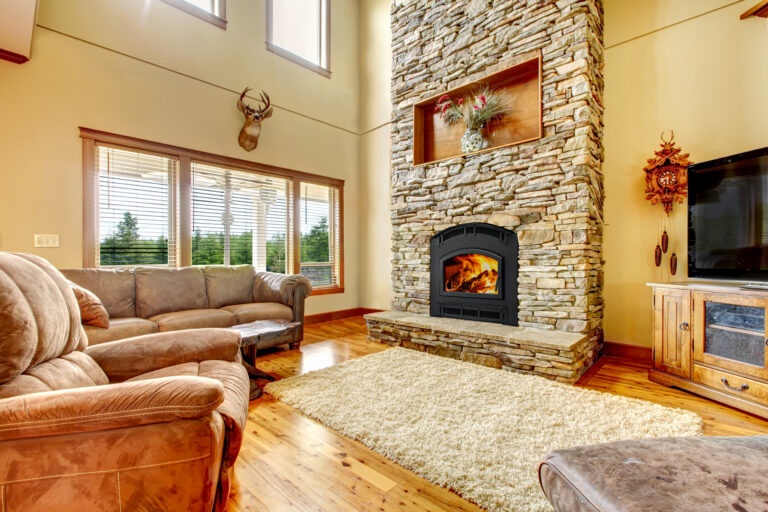
  • Masonry Fireplace – Built of brick or stone with a clay/stainless flue liner

  • Factory-Built Fireplace – Prefabricated steel unit with specific clearance rules

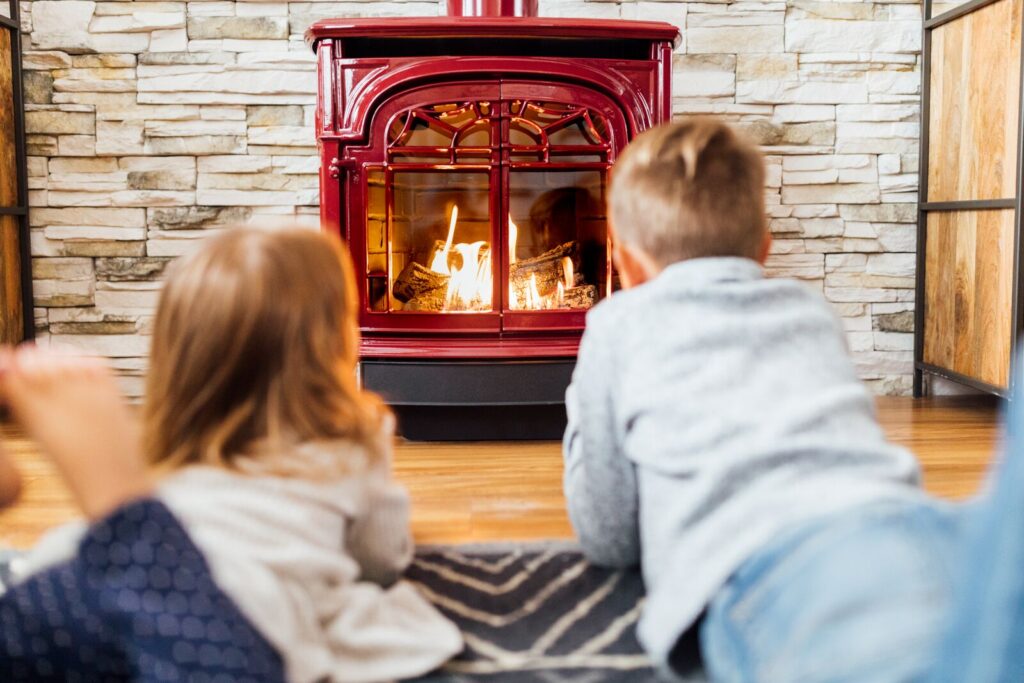
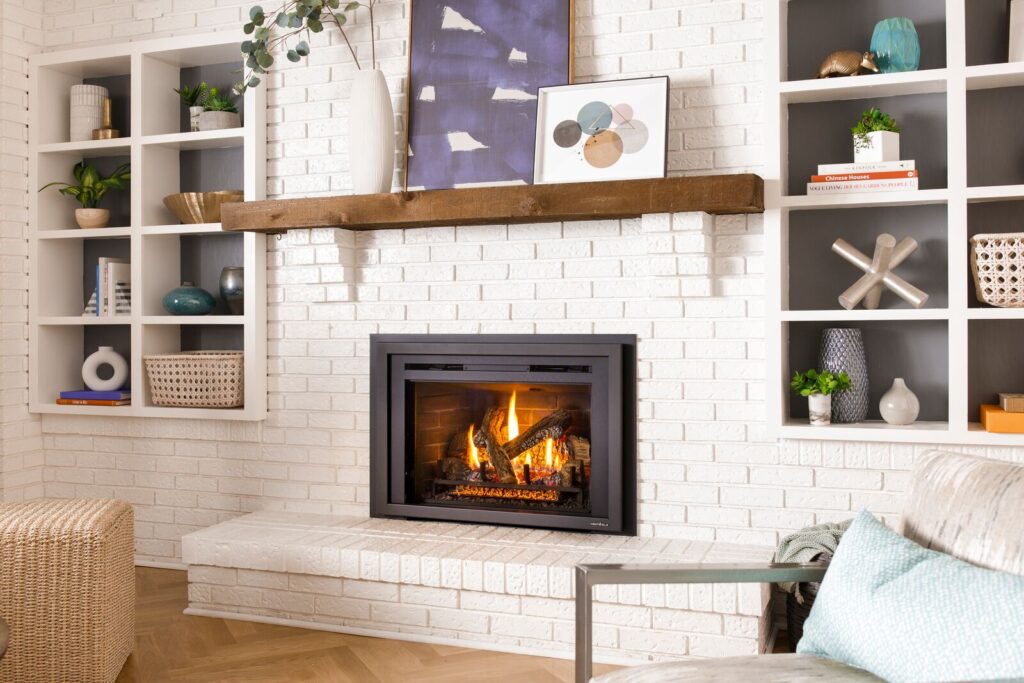
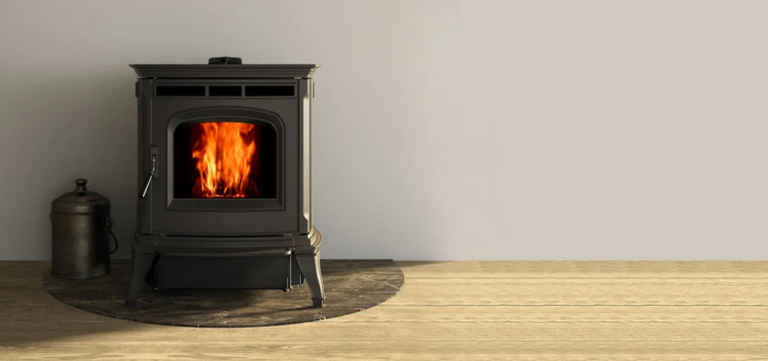
  • Insert or Stove – A sealed appliance inside an existing opening

Knowing the type determines clearance requirements, fuel options, and upgrade possibilities.

3. Check Critical Clearances

Mantel Clearance: Most wood units require at least 12″ above the opening (more for deep mantels)

Side Trim Clearance: Minimum 6″ from the firebox opening

Hearth Extension: At least 16″ in front of the opening (20″ if opening > 6 sq. ft.)

Clearances are there to protect your home from pyrolysis, the slow, dangerous lowering of ignition temperature in nearby wood over time. Checking clearances is also something that should occur during your Level 2 Chimney Inspection, but we feel it is important for you to have this info available should you need it.

Remember, anything written here is based on currently available laws, codes, and standards. Do not use information provided on fireplaceexperts.com as the sole source of information for any installation, service or related trades.

4. Match the Fireplace to Your Heating Goals

An open fireplace is beautiful but highly inefficient, often losing more heat than it provides. Decide if you want it for:

  • Ambiance Only – Keep it as-is with proper maintenance

  • Supplemental Heat – Add a high-efficiency insert or stove

  • Primary Zone Heat – Install an EPA-certified wood or pellet insert for maximum output

5. Address Draft and Safety Issues

Common problems in older fireplaces:

  • Cold air spilling in (Cold Hearth Syndrome)

  • Creosote buildup

  • Damper that won’t seal

  • Flue size mismatch

Solutions can include chimney height adjustments, flue liners, and top-sealing dampers for off-season energy savings.

gas stove

6. Burn the Right Fuel

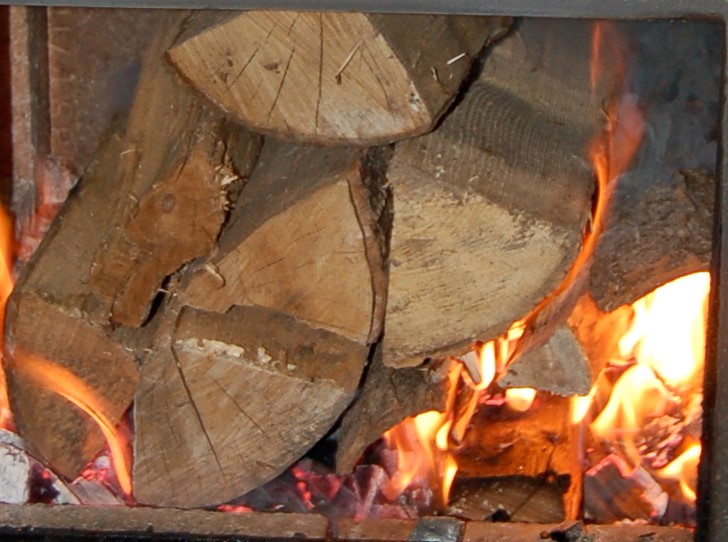
Use only seasoned hardwood (<20% moisture) for wood-burning systems

Never burn garbage, pressure-treated wood, or driftwood

For gas systems, ensure the burner and pilot assembly are serviced before use

7. Install Safety Equipment

Smoke detectors on every floor

Carbon monoxide detectors near sleeping areas

Child safety gate

Hearth pad and/or mantel shield

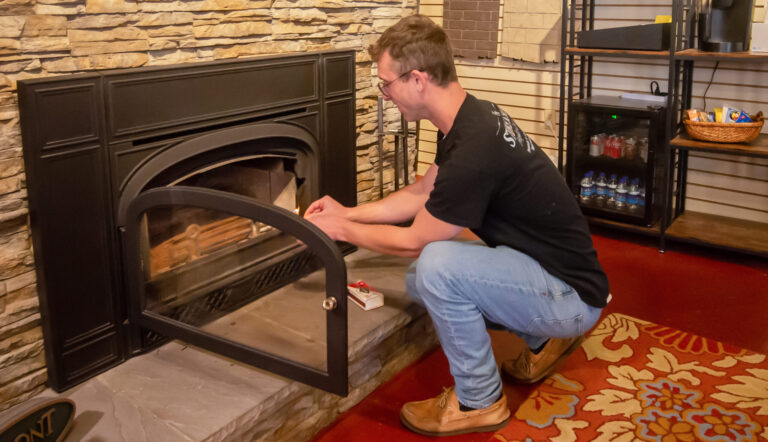
fireplace insert

8. Plan for Annual Maintenance

Chimneys must be swept at least once a year (more if you burn frequently)

Gasket and seal checks for inserts and stoves

Annual service for gas valves, burners, and safety shutoffs

9. Consider Efficiency Upgrades

If you want to boost performance:

Gasketed Insert: The #1 way to turn a fireplace into a real heater

Top-Sealing Damper: Reduces energy loss when not in use

Chimney Chase Insulation: For exterior chimneys, keeps the system warmer and draft stronger

Heat Exchanger: For open fireplaces only, to push more warm air into the room

Note: Glass doors on an open fireplace are decorative and for spark protection only! Glass fireplace doors do not seal the unit or improve heating efficiency.

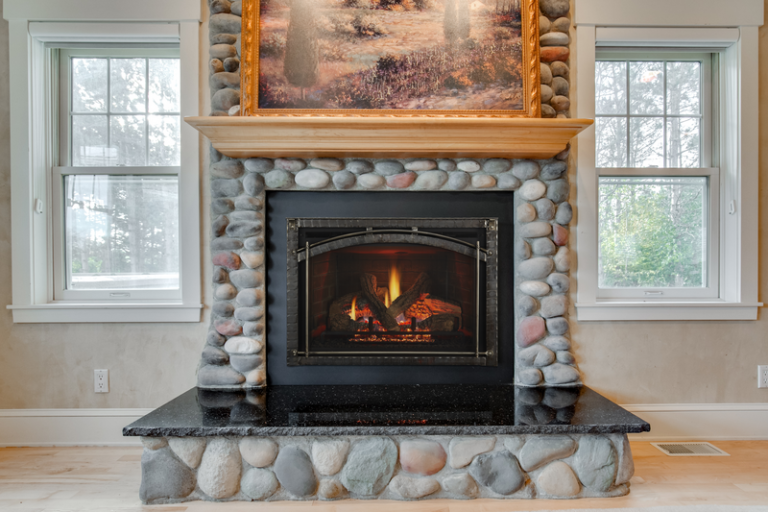
8kx gas fireplace

Bottom Line: Before you light that first fire, get the system inspected, confirm safe clearances, and decide if you want ambiance or real heating performance. The right setup gives you beauty, warmth, and safety for years to come.