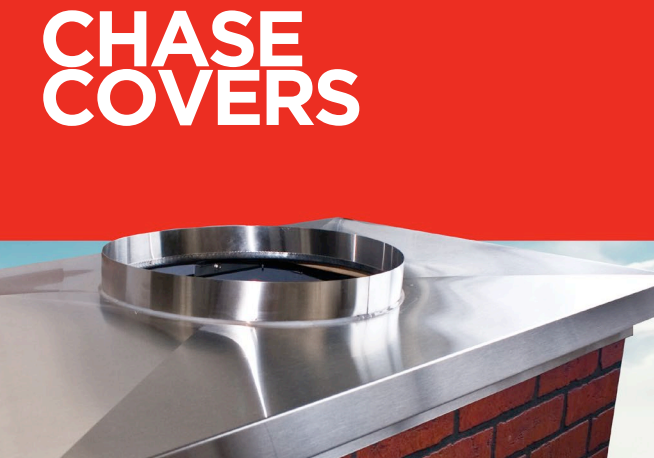
A chimney needs a way to weather snow storms, pouring rain and strong winds. Chase cover flashings are that shield, protecting your chimney from the great outdoors. Rain, squirrels, birds, bugs and mold want to get into your chimney. It is warm, dry and cozy right next to the fire! Chimney chase covers keep warmth inside and the outside where it belongs. Mother nature knows no limits and she loves to get into the cracks and crevices of your exposed chimney. Learn when it is time to replace your chimney chase cover and more from The Stove Shop Fireplace Experts in Phoenixville, PA.
What Does a Chase Cover Flashing Do for a Chimney?
A chase cover’s purpose is straightforward:
- Keeps rain, snow, and debris out of the chimney chase
- Protects the wood structure from rot and mold
- Keeps animals and insects out
- Protects the factory-built chimney pipe and firestop assembly from rust
- Directs water away using a drip edge and sloped design
How Long are Chimney Chase Covers Supposed to Last?
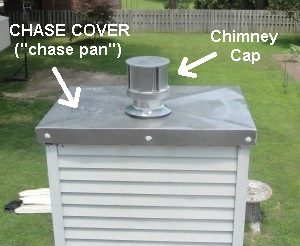
New homebuilders put this large metal pan on top of a fireplace chimney. (Often you will see a chase cover on prefabricated gas fireplace chimneys.) Over time, a chase cover will develop wear and tear. The age will show through rustlines and cracks in the metal. You should expect a pretty wide range depending on climate and roof pitch of 10-25 years in lifespan for a chimney chase cover flashing.
How Does a Chimney Chase Cover Work?
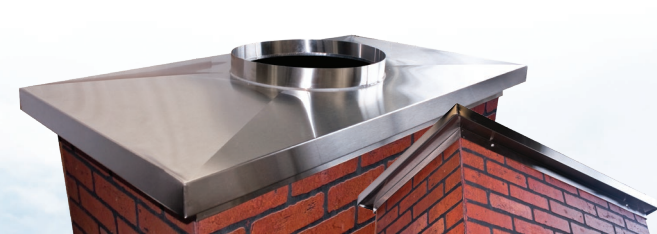
A chase cover works by creating a waterproof and weatherproof barrier over the entire top of the chimney chase. When properly installed, a chase cover prevents water from ever touching the chase structure or chimney components.
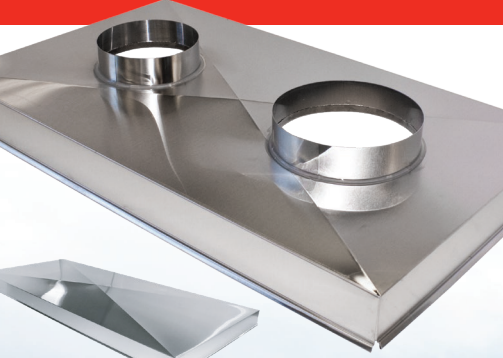
A correctly manufactured chase cover will have:
- Cross-breaks (X-bends) to shed water
- A raised collar around the chimney pipe
- A storm collar sealed with high-temp silicone
- A hemmed drip edge that extends past the chase walls
- Correct clearances around the Class A chimney per manufacturer listing
What Does it Cost to Replace the Chase Flashing on a Chimney?
Prices vary based on chase size, roof height, and material. (Stainless steel is the standard because it resists corrosion and often carries a lifetime warranty.) Current price ranges for chimney chase cover replacement are:
- 1-story homes: $800 – $1,300
- 2-story homes: $900 – $1,700
- Large / multi-flue / steep roof: $1,500 – $3,000+
Average chimney chase cover flashing replacement typically includes:
- Removal of the failing cover
- New stainless-steel chase cover
- New storm collar
- Sealing and termination inspection
Where to Buy a New Chase Cover Replacement for Your Chimney?
Check out a Dealer Recommended by Your Manufacturer
Certified Chimney Professionals
How to find a certified professional to install a new chimney cover replacement?
We highly recommend National Fireplace Institute Certified professionals first and foremost. The Chimney Safety Institute of America and the National Chimney Sweep Guild are also invaluable resources in the hearth industry.
No matter what you do, read reviews and get opinions from local residents in your hometown. While Google Reviews are useful, local fireplace shops are best represented by word of mouth from existing customers. Talk to your neighbors on Nextdoor and find out if they have any recommendations!
What Are the Alternatives to Replacing a Damaged Chase Cover?
If the chase cover is rusting, sagging, or leaking, replacement is the only correct solution. There are no safe long-term alternatives to replacement.
Temporary “patching” with sealants or paints:
- Does not stop internal rusting
- Voids chimney warranties
- Often traps water and accelerates damage
- Is not compliant with NFPA 211
If significant water damage has already occurred, additional repairs may include:
- Rebuilding the top of the chase
- Replacing damaged trim, siding, or framing
- Replacing rusted chimney pipe components
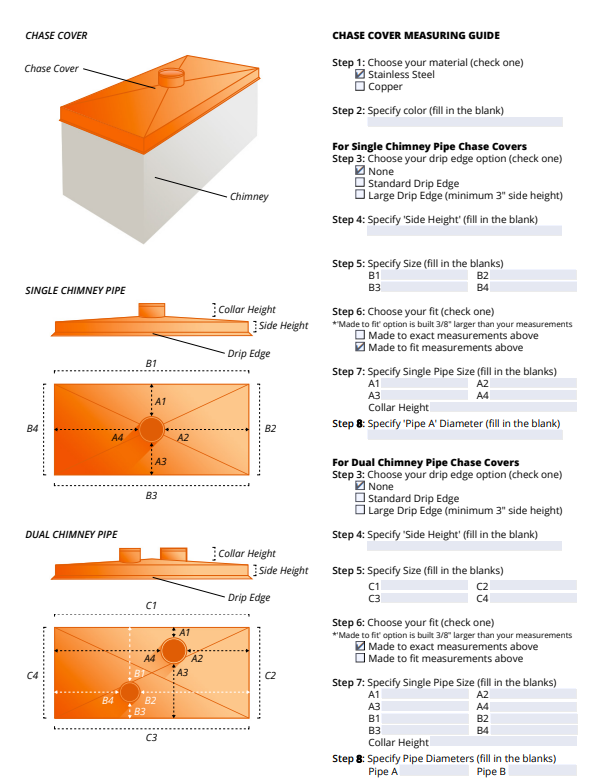
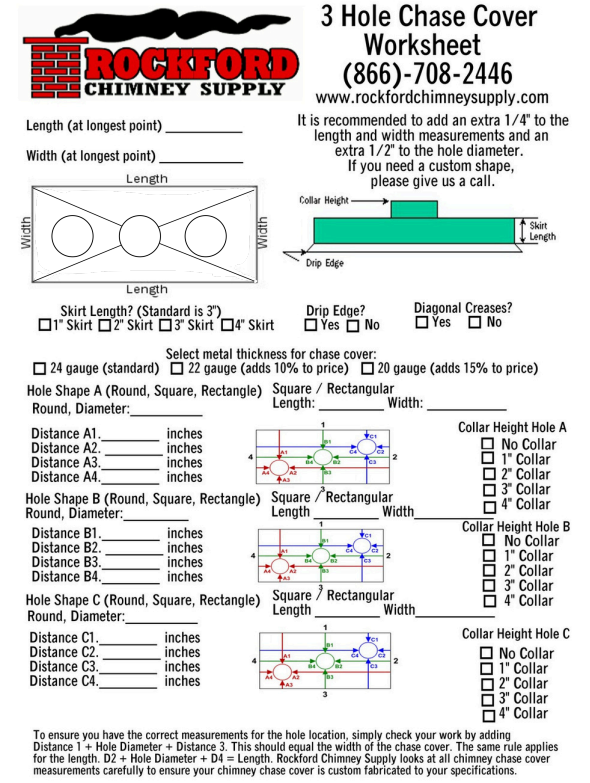
Chimney Chase Cover Measurement Guide
Most homeowners prefer a professional to measure due to roof safety concerns and accuracy requirements.
- Chase Width (left to right)
- Chase Depth (front to back)
- Chase Top Overhang
- Flue Pipe Diameter(s)
- Distance from flue center to each edge
- Number of flues penetrating the cover
- Roof pitch (for access and installation method)
Chase Cover Measurement Form Examples:
Learn more about how to properly measure a chase cover and more: