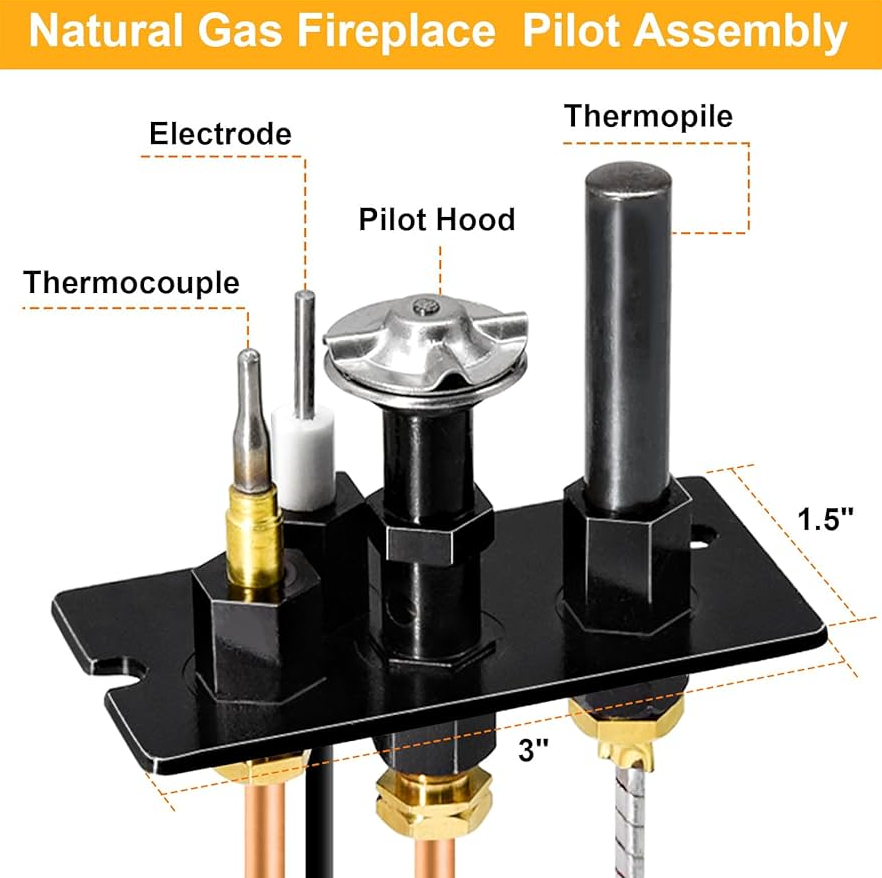
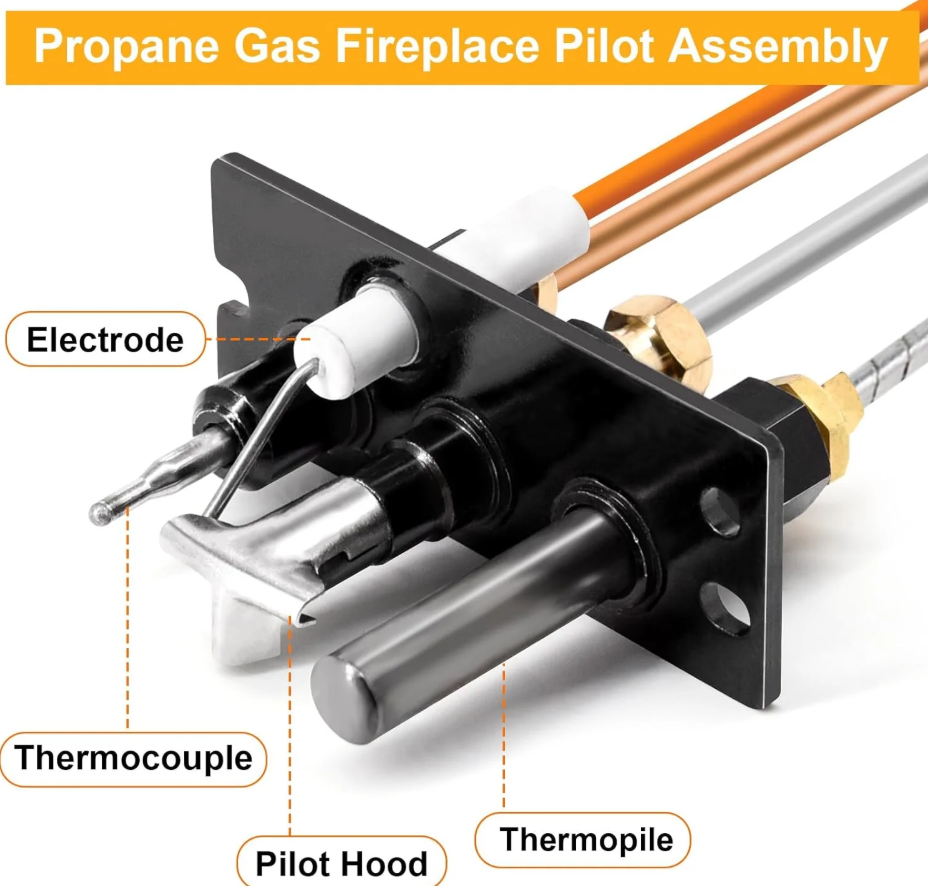
Thermocouples and thermopiles in the hearth industry are flame-sensing devices used on gas fireplaces, stoves, and gas logs. Both convert heat from the pilot flame into electricity, but they serve different functions and produce different power levels. Thermocouple = safety signal; thermopile = operating ability.
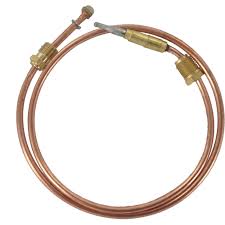
Thermocouple: A thermocouple is a small safety sensor that generates a tiny electrical signal from the pilot flame to confirm flame presence and keep the gas valve’s safety mechanism open.
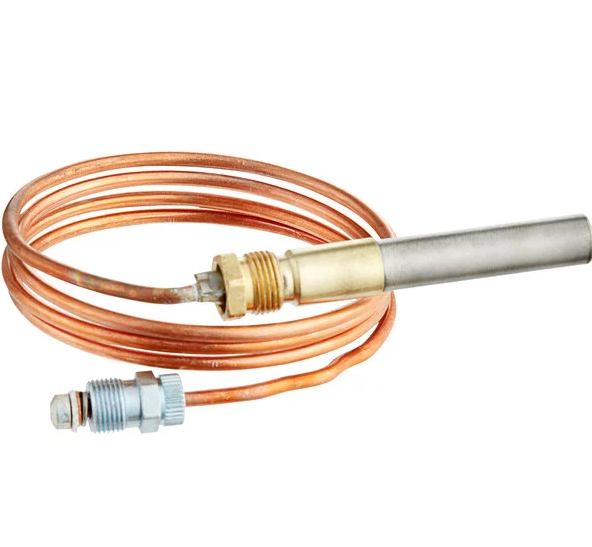
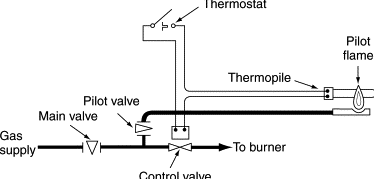
Thermopile: A thermopile is a larger power-generating sensor made of many thermocouples that converts pilot flame heat into enough electricity to operate the main burner controls of a gas fireplace.
Thermocouple: The Safety Guard
The thermocouple is the appliance’s “Are we safe?” device.
When the pilot flame heats it, the metal produces a tiny electrical signal, usually around 25 to 35 millivolts. That little bit of power is enough to keep the gas valve’s internal safety magnet open.
As long as the thermocouple feels heat, it tells the valve, “Yes, the pilot flame is here, it’s safe to feed gas.” If the pilot goes out, the thermocouple cools almost instantly, the signal disappears, and the valve shuts the gas off. That’s its entire job: prevent gas from flowing when no flame is present.
A failing thermocouple usually shows itself in a very specific way: the pilot lights when you hold the knob down, but as soon as you release it, the flame dies. That’s the classic sign that the thermocouple can no longer produce a strong enough signal to hold the safety magnet.
Thermopile: The Power Source
Where a thermocouple is one small sensor, a thermopile is many thermocouples bundled together. Because of that, it produces much more voltage, often between 250 and 750 millivolts depending on how strong the pilot flame is. That extra power is used to actually run the fireplace.
The thermopile’s job is simple: make enough electricity from the pilot flame to open the main burner valve when you flip a switch, use a remote, or set a wall thermostat. That’s why many gas fireplaces can still operate during a power outage; they’re using the thermopile as their built-in power supply.
When a thermopile weakens, the pilot stays lit just fine, but the main burner won’t come on. Sometimes the fireplace will work intermittently or respond slowly, another hint the thermopile is fading.
How Often Do Thermocouples and Thermopiles Need to be Replaced?
Both parts wear out, but at different rates. Clean pilot flames help them last longer, so regular yearly service is essential to keep your fireplace running into the future. A clean, strong pilot flame is the life of both sensors. Dirty pilots, loose connections, bad switches, and cold weather cause more problems than the sensors themselves. In real-world use, here’s what we consistently see on average:
Thermocouple Lifespan
A thermocouple usually lasts 3-5 years on a regularly used standing-pilot system. Some last longer, but once they begin to weaken you’ll see the classic symptom: the pilot won’t stay lit unless you hold the knob.
Thermopile Lifespan
A thermopile generally lasts 5-7 years, sometimes longer if the pilot flame is strong and clean. Thermopiles run hotter and generate more power, so they slowly weaken as the internal junctions degrade.
If the system sits unused for long periods, the lifespan varies more.
What materials are used to manufacture thermocouples and thermopiles?
A thermocouple has ONE hot junction. Produces around 25–35 millivolts. Whereas, a thermopile has MANY hot junctions. Produces around 250–750 millivolts.
They are built from the same alloys, but the quantity of junctions is what separates them functionally. A single junction makes a safety signal; a bundle of junctions makes working power.
Thermocouple materials:
A thermocouple is made from two dissimilar metals joined at one end.
The most common combination in gas appliances is:
- Chromel (nickel-chromium alloy)
- Alumel (nickel-aluminum alloy)
Thermopile materials:
Think of it as:- multiple thermocouple junctions
- stacked together
- inside a single metal sheath
A thermopile uses the exact same types of metal pairs, but instead of one pair, it contains many thermocouples wired in series. Each junction adds a bit of voltage, so the combined output is large enough to operate a gas valve and power switches or remotes.
Why do fireplace thermocouples wear out?
- Constant heating and cooling cycles
- Slight flame misalignment or dirty pilot orifice
- Metal fatigue over time
How do you know when a thermopile might need service?
- Pilot stays lit, but main burner won’t respond
- Intermittent burner operation
- Slow response to the wall switch or remote
What’s the difference between a thermocouple and a thermopile?
Thermocouple: Confirms the flame is present.
Thermopile: Generates the power that runs the fireplace.
One ensures safety; the other enables operation.
What else do you need to know about this nerdy fireplace stuff?
1. Flame Contact Matters More Than Anything
Most “bad sensor” calls are really bad flame calls. If the pilot flame doesn’t fully wrap both sensors (blue, sharp, and steady) neither part will generate enough millivolts. A clean, well-aimed pilot keeps these parts working far longer than their rated lifespan.
2. A Dirty Pilot Orifice Is the #1 Root Cause
Dust, lint, rust flakes, dead stink bugs and spider webs all reduce flame quality. A simple pilot cleaning often “fixes” a weak sensor without replacing anything. Annual cleaning brings these systems back to factory performance.
3. Millivolt Systems Are Slower than You’d Think
This is normal, not a defect. It can take a few seconds from flipping a wall switch to burner ignition because the thermopile’s millivolts need to stabilize. Customers sometimes mistake this delay for failure.
4. Cold Weather Changes Everything
In very cold conditions (especially exterior chase installations): Pilot flame can shrink Thermopile output drops Switch response slows Burners may not ignite Cold air is dense and steals heat. Customers often experience “intermittent in winter” issues that turn out to be cold-related millivolt weakness.
5. Faulty Switches and Bad Connections Cause Many False Alarms
Even with strong millivolts, a corroded switch or loose spade connector can interrupt the signal. Resistance in wiring shows up as a burner that won’t respond—even with a good thermopile. Quick rule: If the burner works when jumping the TH and TH/TP terminals, the thermopile is fine—the wiring is not.
6. Gas Pressure Affects Pilot Performance
Low inlet pressure reduces pilot flame height, which reduces millivolt output. A fireplace can run perfectly for years until gas demand in the home increases (new appliances, furnaces cycling, etc.). Suddenly the pilot looks weak and sensors stop working.
7. Sensors Fade Slowly, Not All at Once
Customers often think parts “just died.” In reality, both thermocouples and thermopiles decline gradually: weaker flame slower response intermittent ignition only then total failure Helping them recognize early symptoms prevents cold-weather surprises.
8. Replacement Part Quality Matters
There are excellent OEM-equivalent parts and extremely cheap aftermarket copies. Low-grade versions often fail early. Even a perfect installation can’t save a poor-quality sensor.
9. Pilot Light Usage Impacts Lifespan
Units that burn a pilot flame year-round wear sensors faster because they’re heated continuously. Seasonal pilots (off in summer) last longer.

Great video about how to fit your broken pilot light:
Videos about fireplace thermocouples and thermopiles:
Learn more about fireplace service and repair:
- What are Firebricks & Refractory Panels and How to Fix Them?
- Why Choose an NFI Pro? Find Quality Gas Fireplace Service!
- How Often Should You Get Your Pellet Stove Serviced?
- What is NFI Certified? (The Top Safety Standard for Fireplaces)
- Why Your Electric Bill is Up and What It Means for Home Heat?
- What is NFPA 211? A Standard to Keep Your Fireplace Install Safe
- Answering Your Most Frequently Asked Fireplace Questions
- What is a Level 2 Chimney Inspection? When Do You Need One?
- 5 Fireplace Must Knows for New Homeowners
- What is the Life Expectancy of a Gas Fireplace?
- Gas Fireplace Repair Average Cost
- Pennsylvania Fireplace Fuel Cost Guide