Choosing the right wood burning fireplace insert can transform how you heat your home. Understanding the key differences between combustion systems will help you make the best choice for your needs and budget. There are two major combustion systems in the world of wood fireplace inserts.
Five Essential Things Every Wood Insert Buyer Should Consider
1. Heat Output and Burn Duration
The most important question is simple: how long will your insert keep the house warm before you need to reload? Non-catalytic (tube-style) inserts deliver strong heat quickly but typically burn for 4 to 8 hours per load. They’re perfect for households where someone can tend the fire multiple times throughout the day.
Catalytic inserts provide steady, sustained heat for much longer periods, often reaching 20 to 30 hours on a single load. (Some manufacturers like, Blaze King even say 40 hours is possible. While we have never done this ourselves, catalytic wood burners have truly impressive burn times.) This makes catalytic units ideal for overnight heating or for homeowners who want to load once and forget about it until the next day.
Both types of wood burning fireplace inserts require upkeep and tending. Even a catalytic wood burning fireplace insert needs love and attention!
2. Fuel Efficiency
Efficiency ratings tell you how much heat you’re getting from every piece of wood you burn. This is measured as High Heat Value (HHV) percentage, where higher numbers mean less wood consumption over the heating season.
Catalytic systems typically achieve 10 to 20 percent higher efficiency ratings than tube-style inserts. Over a full winter, this difference translates to meaningful savings in firewood fuel costs.
3. Ease of Operation
Tube-style inserts are straightforward to operate. Load the wood, light the fire, and adjust the air control. There’s virtually no learning curve, making them appealing to first-time wood burners. It is a metal box that burns wood.
Catalytic inserts require one additional step: engaging a bypass damper once the catalyst reaches operating temperature. While this sounds complicated, most users master it after just a few fires. The tradeoff for this small extra step is dramatically longer burn times.
4. Emissions and Environmental Impact
If air quality matters to you or if you live in a smoke-sensitive area, catalytic technology offers the cleanest burn available. Catalytic inserts produce the lowest emissions of any wood-burning appliance on the market.
Non-catalytic inserts are still EPA-certified and burn quite cleanly, but they cannot match the ultra-low emission levels of catalytic systems. This benefits you in terms of long burn times and using less wood each season. You will need to clean you catalytic unit more thoroughly as creosote buildup is more likely with the lower temperature fires.
5. Aesthetics and Fire Viewing Area
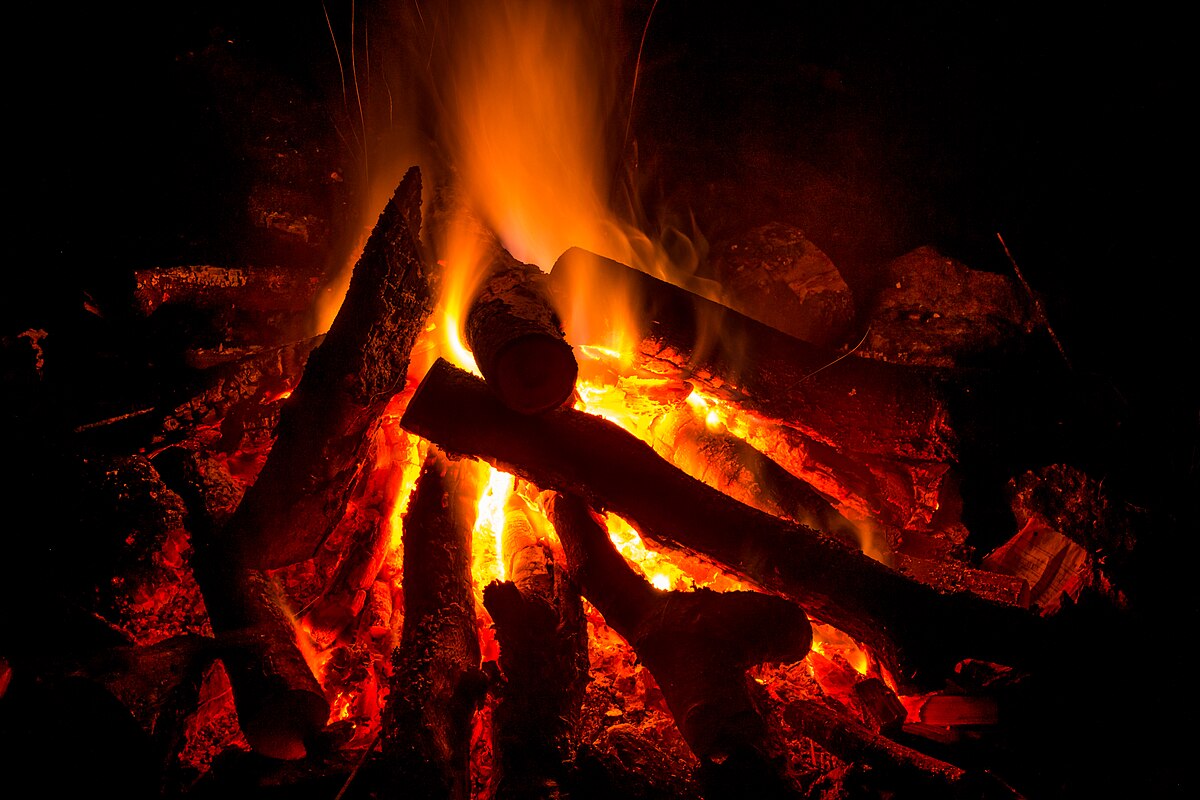
Some buyers prioritize the visual experience of the fire itself. Non-catalytic inserts typically produce brighter, more active flames with secondary combustion creating dramatic light shows inside the firebox.
Catalytic inserts burn with a calmer, steadier flame. The flame hides in the catalyst, making it a less impressive fire. Sometimes folks describe the look as “smoldering”. While beautiful in their own right, catalytic inserts don’t deliver the same lively flame dance that some homeowners prefer.
Understanding Non-Catalytic (Burn Tube) Technology
Non-catalytic inserts use a system of baffles and air tubes to achieve secondary combustion. Preheated air is injected above the primary fire, igniting smoke and gases before they can exit the chimney.
Popular brands using this technology: Quadra-Fire, Osburn, and many Vermont Castings models.
Advantages of Non-Catalytic Inserts
- Simple operation means there’s nothing to engage or disengage. Light your fire and adjust the air control as needed.
- Brilliant flame display provides excellent ambiance. The secondary burn creates bright, dancing flames that many people find mesmerizing.
- Lower purchase price compared to catalytic models makes them more accessible for budget-conscious buyers.
- Quick heat delivery is perfect for living spaces that need warmth fast. These inserts excel at producing strong heat within the first hour of lighting.
- Minimal maintenance since there’s no catalyst component to replace. Standard cleaning and chimney maintenance are all that’s required.
- Drawbacks of non-catalytic combustion to consider:
- Shorter burn cycles mean you’ll reload more frequently, typically 2 to 3 times per day during cold weather.
- Less efficient at low burn rates because turning down the air too far can cause the secondary combustion to stall.
- Slightly higher emissions than catalytic systems, though still well within EPA standards.
Burn Tube Wood Burning Fireplace Inserts are Best Suited for:
- Want the simplest possible operation
- Enjoy watching active flames
- Are home during the day to reload as needed
- Prioritize lower upfront costs
- Heat a single room or smaller area
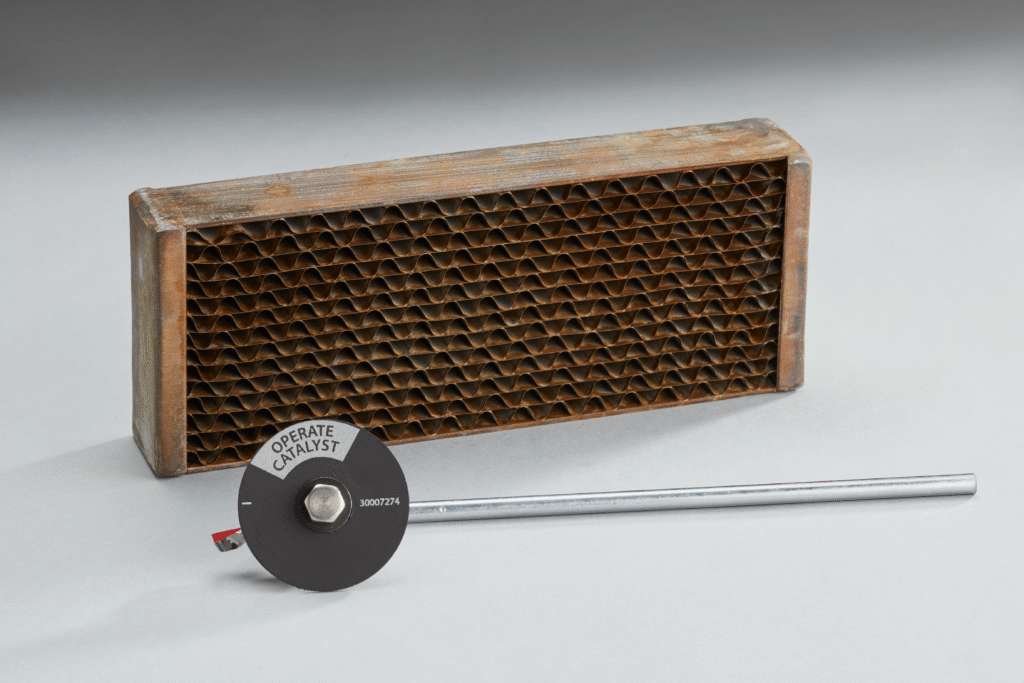
Understanding Catalytic Wood Burning Technology
Catalytic inserts route exhaust gases through a ceramic honeycomb catalyst that ignites smoke at much lower temperatures than normal combustion would allow. This creates an extremely efficient, clean burn.
Leading brands: Blaze King (the industry standard-bearer), select Vermont Castings models, and premium Osburn units.
Advantages of Catalytic Inserts
Extended burn times are the signature benefit. Quality catalytic inserts routinely deliver 20 to 30 hours on a single load, with some Blaze King models exceeding even that range.
- Superior efficiency ratings can reach 84 percent HHV or higher, meaning you extract maximum heat from every log.
- Lowest emissions available make catalytic inserts the environmentally responsible choice. They’re ideal for areas with air quality regulations or neighborhoods where smoke complaints are a concern.
- Exceptional low-burn capability allows you to dial back the heat output while maintaining clean combustion. This thermostat-like control is perfect for supplemental whole-home heating.
- Reduced wood consumption over a full heating season can be substantial compared to non-catalytic models.
- Drawbacks to Consider
- Catalyst replacement is required every 8 to 12 years on average. While not prohibitively expensive, it’s an additional maintenance item to plan for.
- Higher initial investment puts these units at a premium price point compared to tube-style inserts.
- Less visible flame hidden in the catalyst may disappoint buyers who want a more visually dramatic fire.
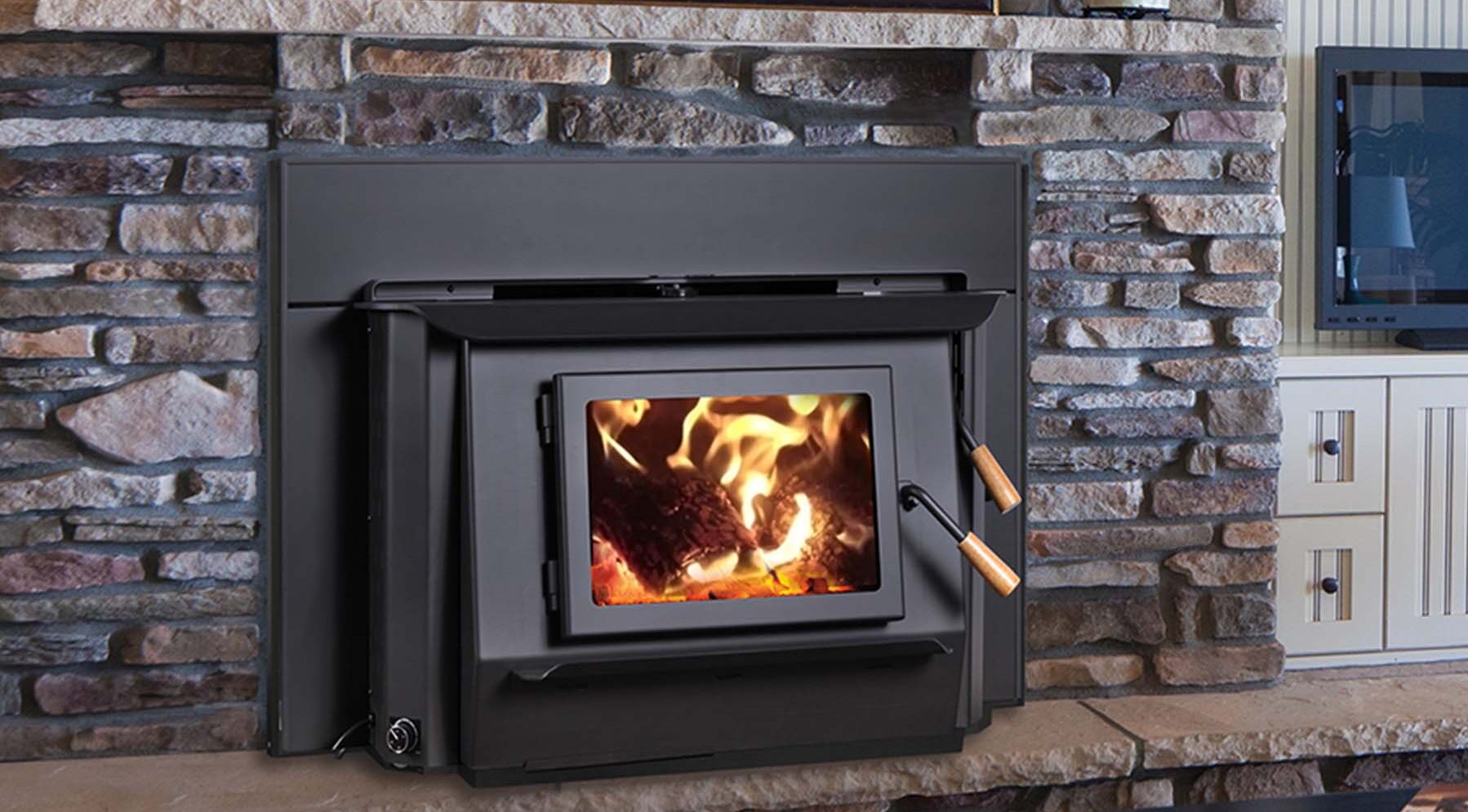
Catalytic Wood Burning Fireplace Inserts are Best Suited for:
- Catalytic inserts are ideal for homeowners who:
- Need overnight or longer burn times
- Want to minimize wood consumption
- Heat their home primarily with wood (October through April)
- Live in smoke-sensitive areas
- Want to heat larger spaces or multiple rooms
- Value efficiency over initial cost savings
Making the Right Decision When Buying a Wood Burning Fireplace Insert:
A Simple Framework
Choose a non-catalytic wood insert if you want:
- Bright, active flames
- Simple, hands-off operation
- Fast heat delivery
- Lower purchase price
- Minimal long-term maintenance
Choose a catalytic wood insert if you want:
- Maximum burn time per load
- Highest possible efficiency
- Lowest emissions
- Whole-home heating capability
- Reduced wood consumption
Wood Burning Fireplace Insert Installation Considerations
Regardless of which technology you choose, proper installation is critical. Your fireplace opening dimensions must accommodate the insert you select, and your chimney system must meet current NFPA 211 standards for height, clearances, and liner requirements. Always work with a qualified installer who can assess your specific situation and ensure safe, code-compliant installation. Check out NFI Find a Pro to get a safe installation near you!
The Bottom Line for Wood Combustion
Both non-catalytic and catalytic wood-burning inserts have earned their place in the market by serving different customer priorities exceptionally well.
If you value simplicity, flame viewing, and don’t mind reloading 2 to 3 times daily, a quality non-catalytic insert from Quadra-Fire or Osburn will serve you beautifully for decades.
If extended burn times, maximum efficiency, and minimal emissions align with your goals, investing in a catalytic system from Blaze King or Vermont Castings will pay dividends in comfort and fuel savings year after year.
The right choice depends entirely on how you live, how you heat, and what matters most to your household.


One Response