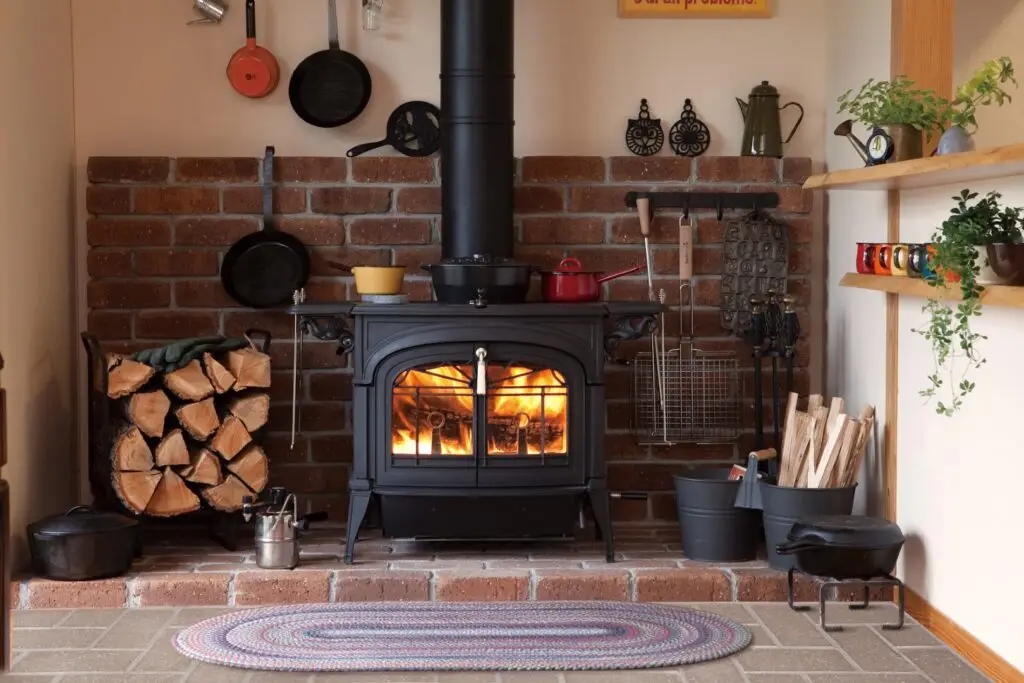
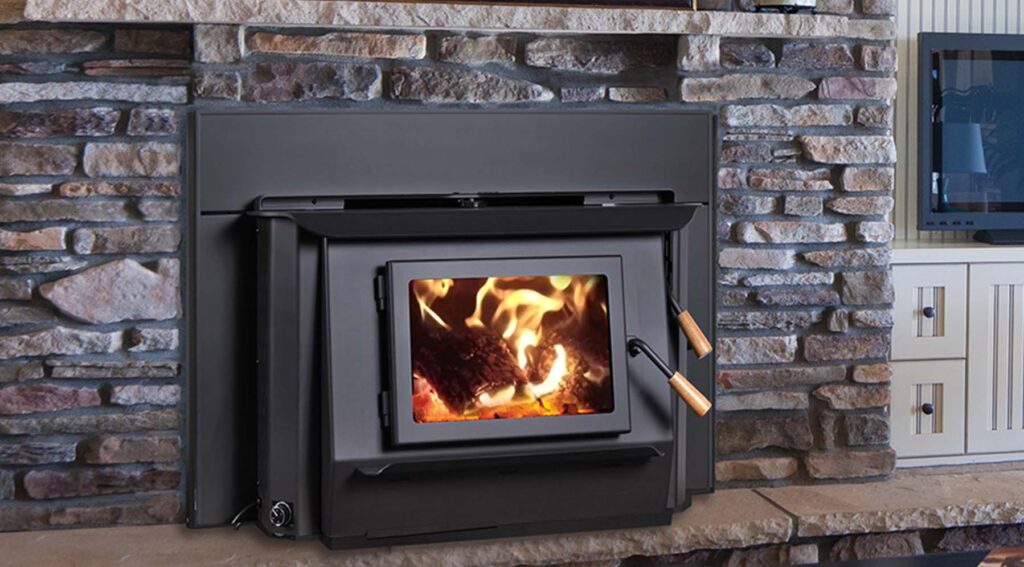
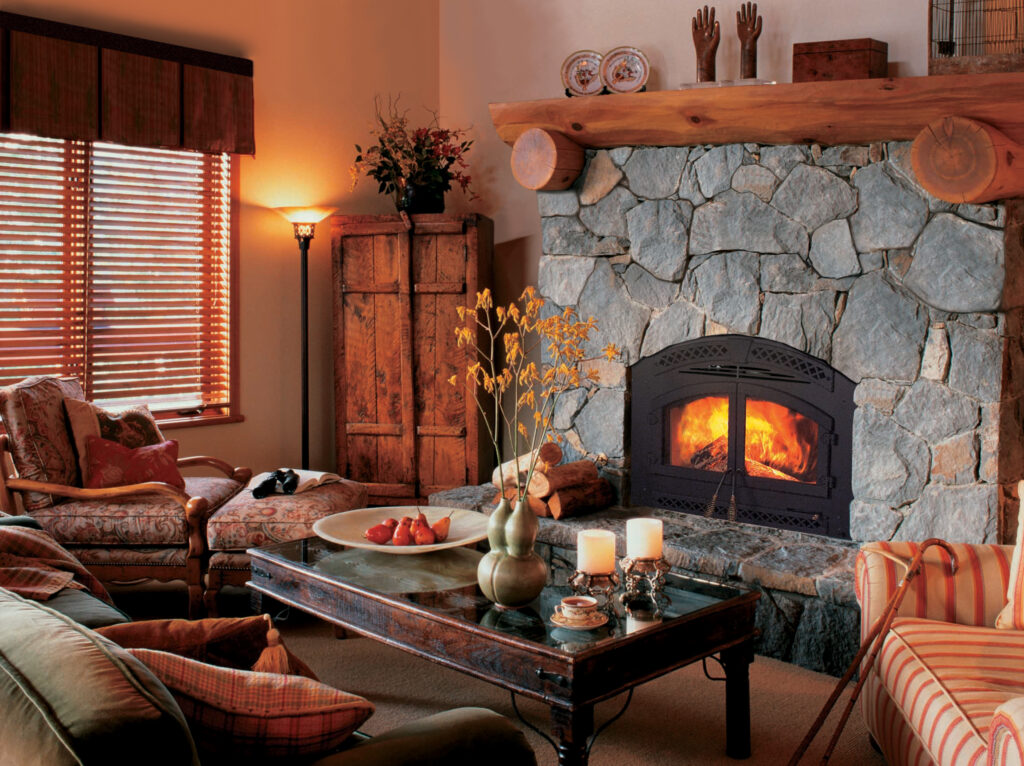
Choosing between a wood stove and a pellet stove isn’t just a matter of style. It’s about performance, safety, lifestyle, and long-term value. This guide compares both heating technologies across key categories, referencing industry standards such as NFPA 211 (2024), EPA 2020 NSPS, and data from top manufacturers including Harman, Quadra-Fire, Blaze King, and Vermont Castings.
Wood Stoves
Pellet Stoves
Wood Stoves
Fully manual: Load logs, adjust air intake.
Tending every 3–5 hours.
Operates without electricity.
Pellet Stoves
Automatic feed via electric auger.
Thermostat and smart controls available.
Requires 120V power; recommend backup system.
Wood Stoves
EPA-certified models: 70–80% efficiency.
Catalytic versions can reach 85% with proper care.
Heat retention varies by stove material and wood quality.
Pellet Stoves
Efficiency typically 75–90%.
Provides steady, thermostatic heating.
Emits ≤ 1.5 g/hr particulates (EPA 2020).
Wood Stoves
Daily: Remove ash, clean glass.
Monthly: Inspect gaskets and air controls.
Annual chimney sweep per NFPA 211.
Risk of creosote buildup if operated improperly.
Pellet Stoves
Daily/weekly: Clean burn pot, ash pan.
Monthly: Vacuum internal components.
Annual vent cleaning and full system check.
Components like auger and fan require periodic servicing.
Wood Stove: Runs during outages; off-grid friendly.
Pellet Stove: Needs power; battery or generator backup recommended.
| Component | Wood Stove | Pellet Stove |
|---|---|---|
| Unit Cost | $1,500–$3,500 | $2,500–$5,500 |
| Venting System | $1,000–$2,000 | $1,500–$2,500 |
| Labor/Install | $1,000–$2,000 | $1,000–$2,000 |
| Annual Fuel Cost | $300–$800 | $800–$1,400 |
| Electricity Use | None | $30–$50/year |
Wood Stove: Crackling flames, radiant heat, rustic charm.
Pellet Stove: Steady flame, quieter hum, sleek design.
Clearances:
Wood: 36″ (shielded can reduce to 12″-18″).
Pellet: 3″-9″ (forced draft allows closer placement).
Chimney Types:
Wood: Type HT UL-103.
Pellet: Type L vent.
Floor Protection: UL 1618 hearth pad or approved layer.
Combustion Air: Required in sealed/tight homes.
| Category | Wood Stove | Pellet Stove |
| Fuel Independence | ✅ Self-sourced | ❌ Needs processed fuel |
| Automation | ❌ Manual | ✅ Automated control |
| Efficiency | Moderate–High | High |
| Maintenance | Lower frequency | More frequent, simpler |
| Upfront Cost | Lower | Higher |
| Operating Cost | Lower (if DIY wood) | Variable |
| Electric Dependence | None | Requires power |
| Ambiance | Classic, natural | Consistent, mechanical |
| Environmental Impact | Moderate | Lower emissions |
Wood Stove Users:
Rural setting, access to firewood.
Enjoys traditional rituals and manual fire management.
Pellet Stove Users:
Suburban/urban homeowners.
Prefers automation, cleaner fuel, and modern controls.
Both wood and pellet stoves meet today’s rigorous efficiency and emission standards. The best choice comes down to lifestyle and heating priorities:
Wood stoves deliver independence, ambiance, and cost savings if you can source your own fuel.
Pellet stoves provide cleaner, automated heating with less hands-on time required.
Choose the system that aligns with your comfort needs, environmental goals, and day-to-day routine.
One Response