Gas Insert vs. Gas Fireplace: Which One is Right for Your Home?
What is a Gas Insert?
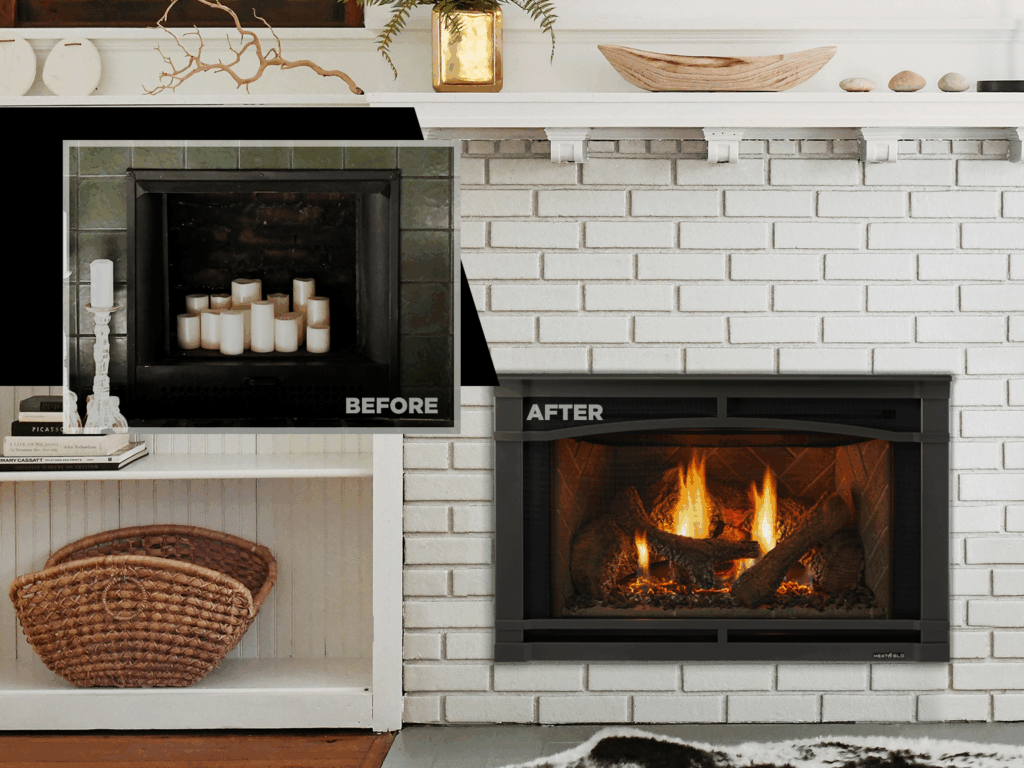
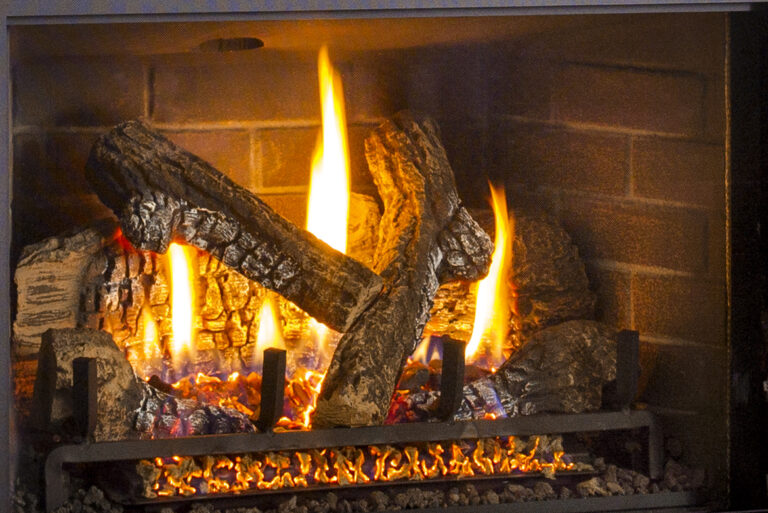
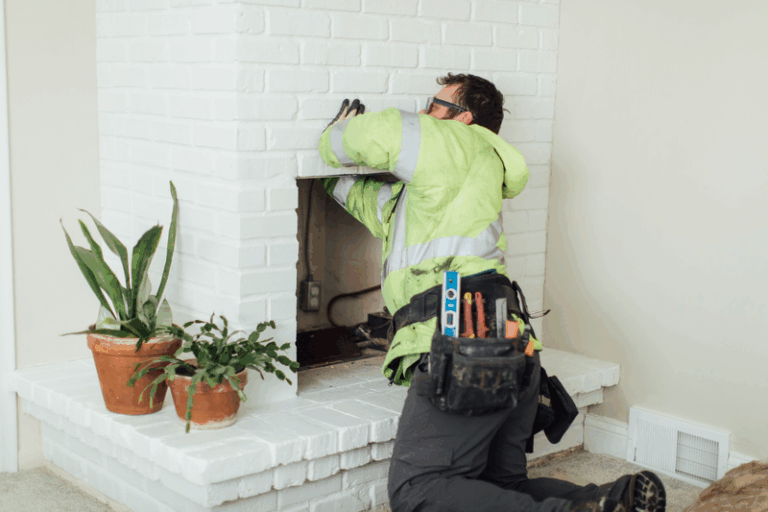
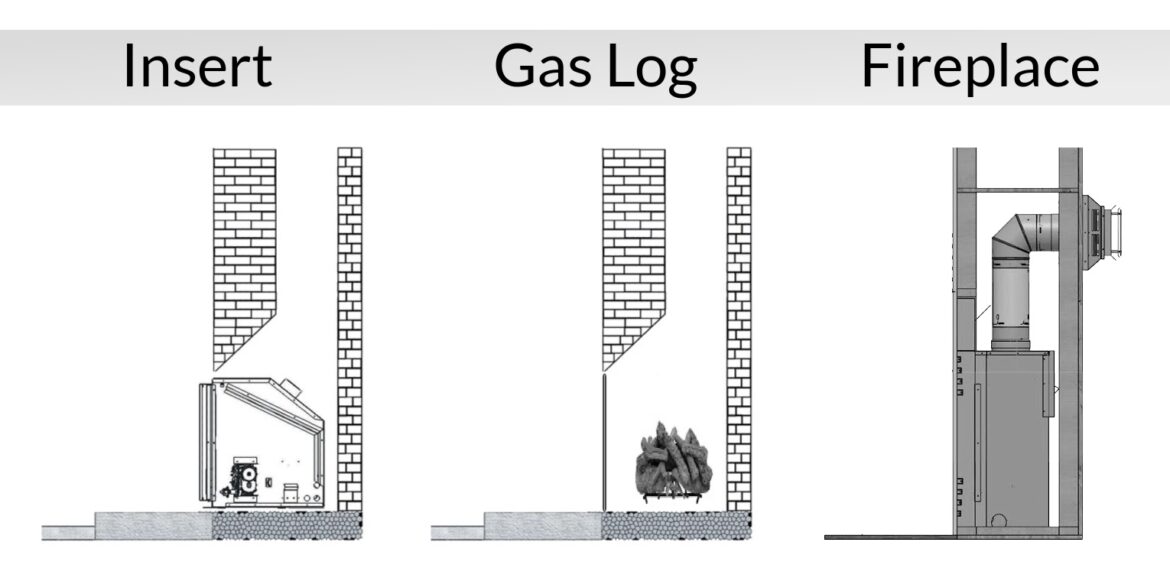
Gas fireplace inserts improve your cold, old, leaky stone masonry chimney. Inserts are installed into your existing fireplace cavity and connect to a liner run down your existing terra cotta flue. (If you burn candles in your fireplace right now, a fireplace insert is likely a great option for your home.) A gas insert is designed to fit directly into an existing wood-burning fireplace.
If you got a Level 2 Chimney Inspection showing your fireplace should not burn wood because there are cracks in the mortar joins, a gas fireplace insert is oftentimes a better solution than rebuilding a fireplace. Chimney sweeps and fireplace shops differ in this opinion. Masons and chimney sweeps prefer to sell consumer a $20,000 chimney rebuild to fix the broken mortar joints. This is often a waste of money because a gas fireplace insert can remedy this problem for under half the cost of a full masonry chimney rebuild. Gas fireplace inserts are a retrofit solution. They transform an inefficient open hearth into a high-efficiency heating system. Gas inserts are sealed combustion units, drawing air from outside and venting exhaust through a co-linear vent system.
Advantages of gas inserts:
Ideal for homeowners with existing masonry fireplaces
More efficient than traditional wood fireplaces
Easier installation with existing structure
Excellent zone heating
Learn more about fireplace inserts, check out the Fireplace Experts blog:
What is a Gas Fireplace?
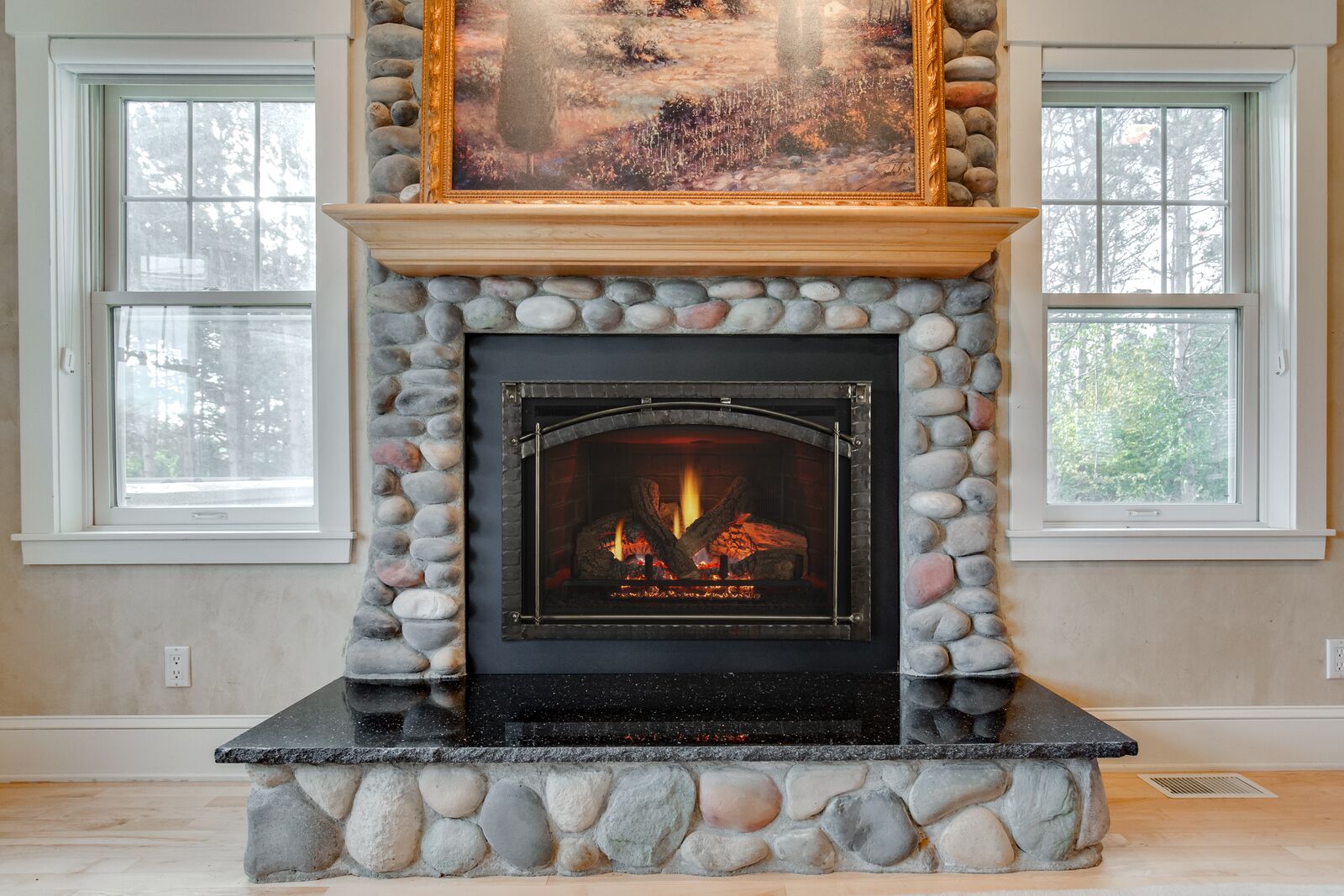
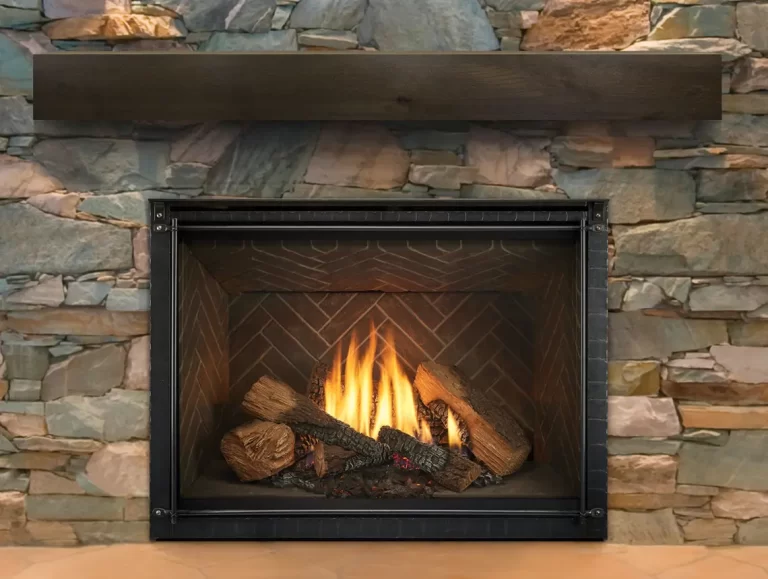
Gas fireplaces can be installed anywhere as long as you meet clearances to combustibles. Unlike fireplace inserts, gas fireplaces are built-in units installed in new construction or remodeling projects. They include their own firebox and venting system and don’t require an existing masonry fireplace. Gas fireplaces come in various sizes and styles, offering more design flexibility than an insert.
A gas fireplace can create immediate ambiance in your home. There are more decisions to make because elements like finishing, mantels and tv placement enter consideration. If you want to install a tv above a fireplace, you likely want a gas fireplace or electric fireplace. Installing a tv above a masonry fireplace is not something we have seen, although it surely has been tried.
Learn more >> What Fireplaces Can You Use with a TV Wall?
Advantages of gas fireplaces:
Perfect for homes without an existing fireplace
Allows for custom installation in any room
Greater design and placement flexibility
Often includes built-in features like blowers and remote controls
Learn more about gas fireplaces:
Planning for your new gas fireplace or gas fireplace insert
- Location: Where you install the gas heating appliance is a major factor in determining if you need a gas fireplace or a gas fireplace insert.
- Masonry chimney = insert. Gas fireplaces are installed in framing, no masonry chimney. You can put a gas fireplace directly into a blank wall. An insert goes into a pre-existing chimney.
- Fuel Efficiency & Cost: Gas appliances are often more economical than electric and easier than wood.
- Longevity: A well-maintained gas fireplace or insert can last 15–20 years.
- Learn more about gas fireplace life expectancy.
- Cost: The average cost of a gas fireplace or gas fireplace insert is typically $6,000.
- Performance: Looking for high performance in cold winters? Don’t miss our favorite list:
Why Buy a Gas Fireplace Insert?
Purpose: Converts an existing wood-burning fireplace into a high-efficiency gas unit.
Installation: Slides into an existing masonry or factory-built fireplace.
Venting: Uses a co-linear vent system (typically two 3″ aluminum liners) run through the existing chimney.
Heat Output: Generally higher due to insulated fireboxes and sealed combustion.
Efficiency: Very efficient, designed to optimize zone heating.
Why Buy a Gas Fireplace?
Purpose: New construction or remodel where no fireplace exists.
Installation: Built into a framed wall or chase; includes its own metal firebox and chimney system.
Venting: Direct vent to outside (coaxial pipe, one pipe inside another).
Heat Output: High, but varies depending on model and placement.
Design Flexibility: Allows for more design options in terms of size, shape, and surround.
Gas inserts retrofit an existing fireplace; gas fireplaces are for new installations or remodels without existing fireplaces. If you want quality gas fireplace service, the National Fireplace Institute (NFI) is a fantastic resource. At The Stove Shop Fireplace Experts, we’re here to guide you through the entire process, from selection to installation.
Still unsure? Contact The Stove Shop Fireplace Experts today to schedule your in-home consultation and make the best choice for your space.


2 Responses