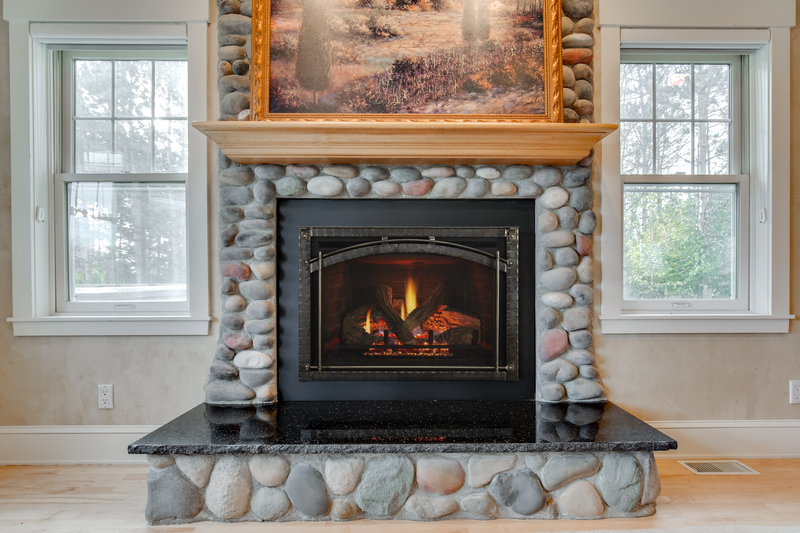
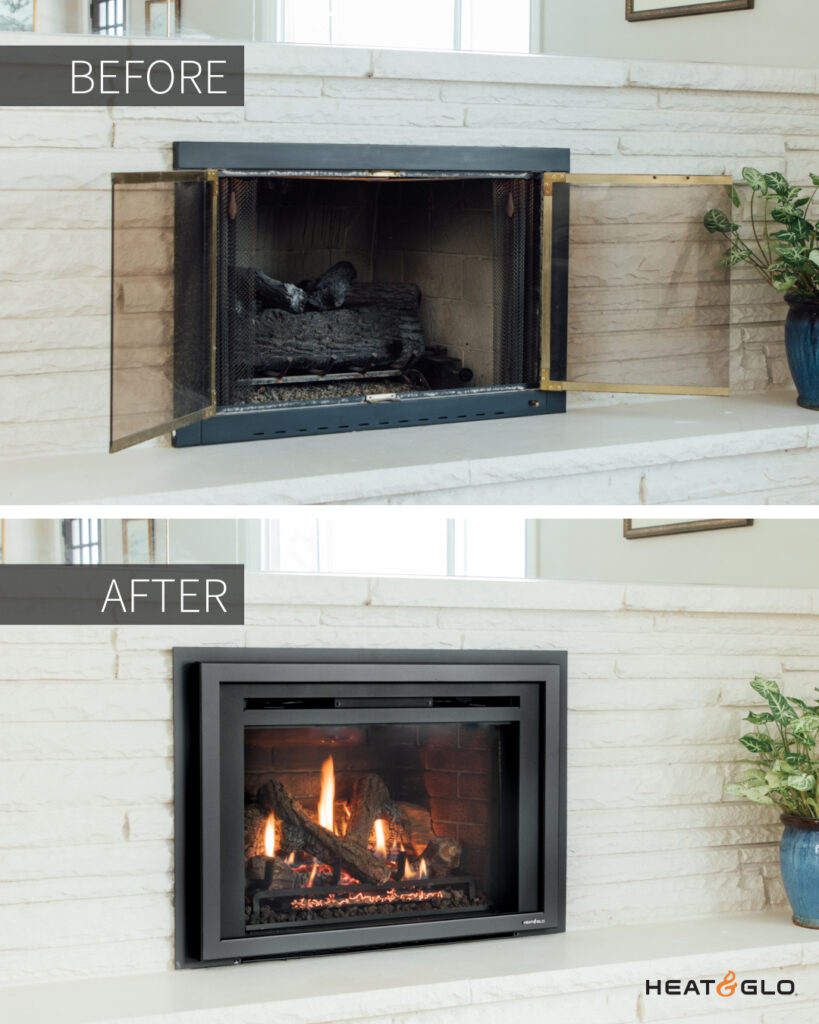
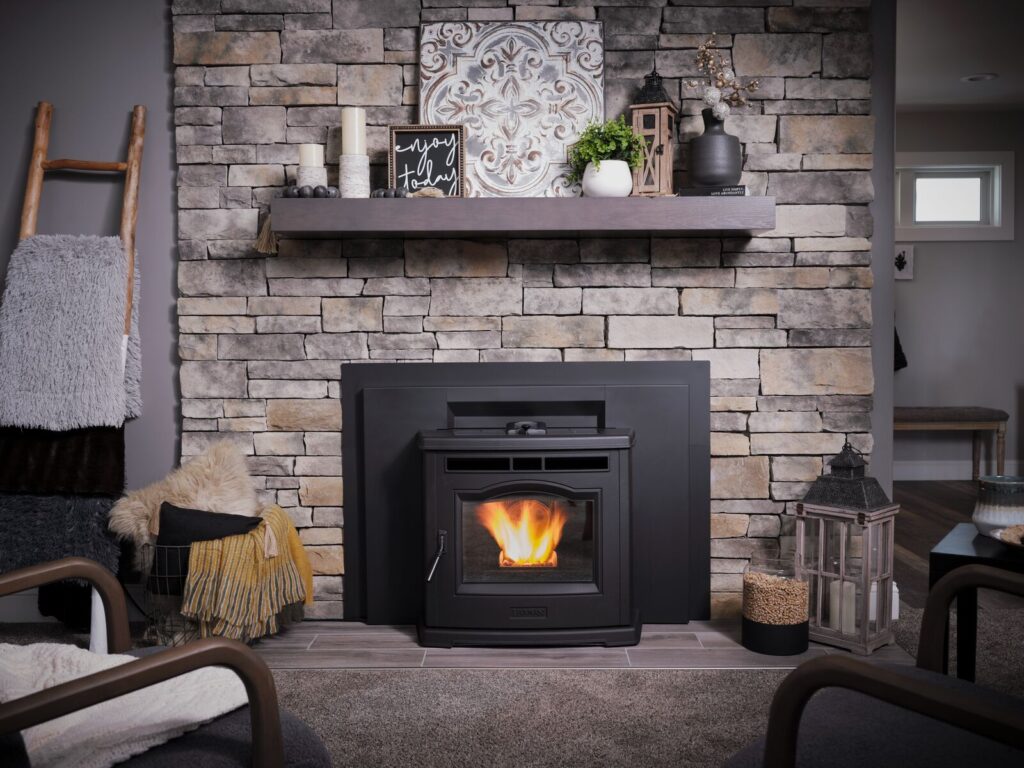
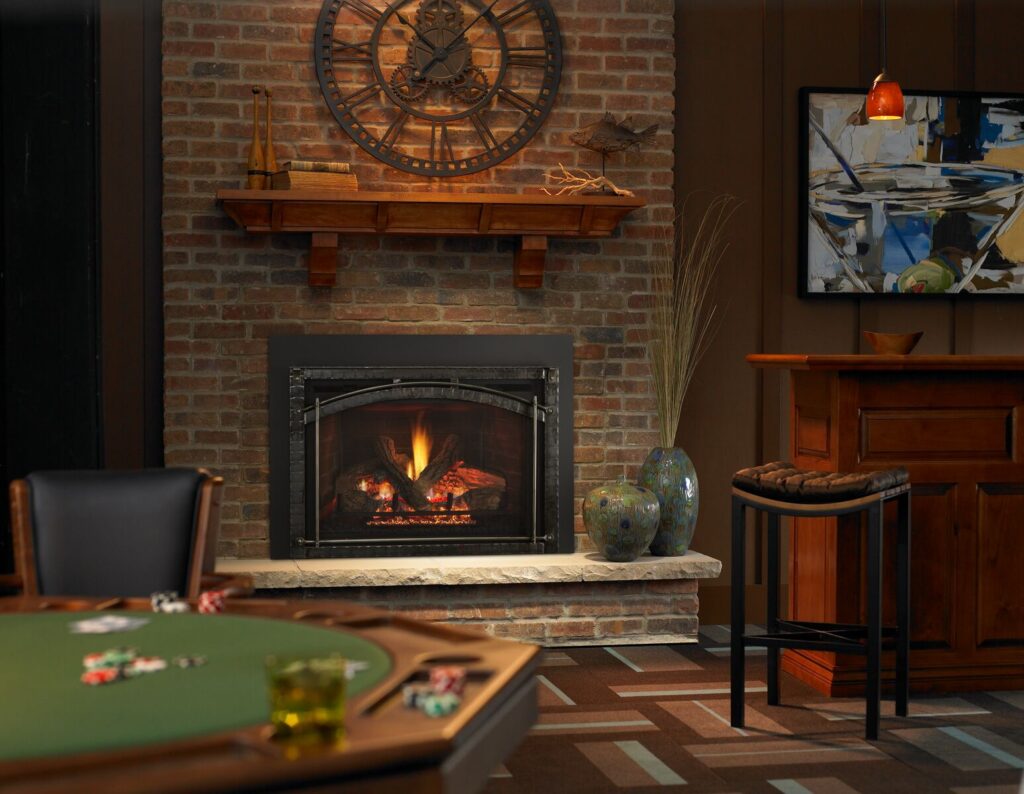
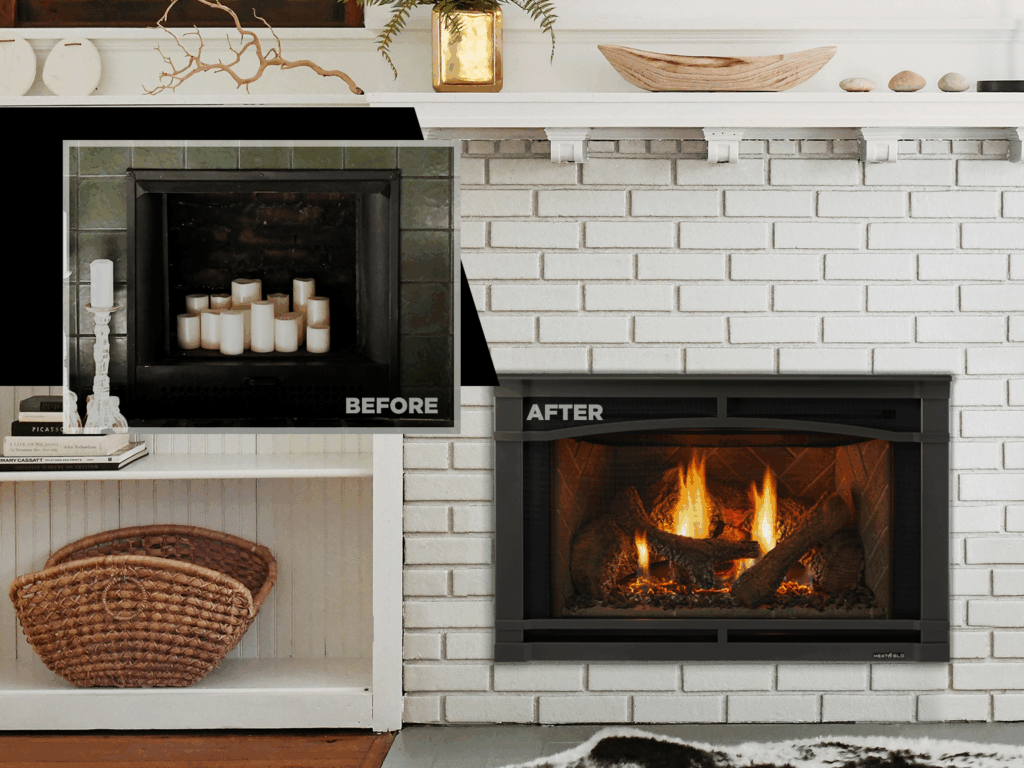
Inserts are a quick and easy way to upgrade the efficiency and aesthetic of your existing fireplace. Inserts can also maximize heat production, save you money, and even be safer than an old drafty fireplace!
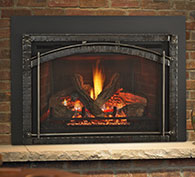
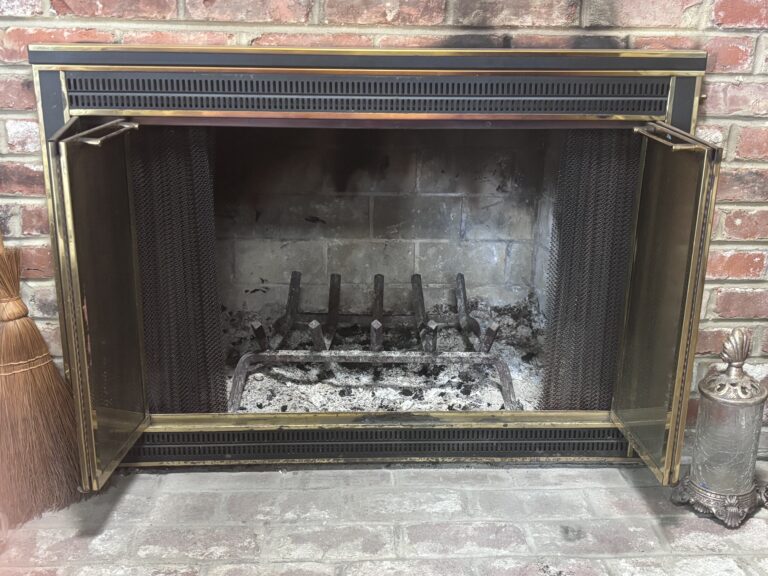
Fireplace inserts are metal boxes that slide into a pre-existing fireplace rated to burn wood. If you do not have an existing fireplace, an insert is not the best option for your project.
Inserts are sealed systems that improve the efficiency of your existing fireplace. These energy-efficient appliances convert traditional open fireplaces into powerful heating systems that can warm your entire home. Unlike open fireplaces that lose most heat up the chimney, fireplace inserts are designed to maximize heat output while meeting modern safety standards. If you have a drafty masonry fireplace that you want to provide heat, a fireplace insert a the perfect solution for your home. Inserts create meaningful heat that burn wood, natural gas, propane and pellet.
Learn more about upgrading your fireplace from our Fireplace Expert’s Upgrade Guide and Fuel Costs for Fireplaces in Pennsylvania.
Dramatic Efficiency Improvement
Traditional open fireplaces waste 85-90% of their heat up the chimney, converting only 10-15% of fuel into usable warmth. Modern fireplace inserts achieve efficiency ratings of 70-80% or higher, making them significantly more cost-effective.
Lower Heating Bills
Use your fireplace insert as a zone heating solution to reduce dependence on central heating. This targeted approach can cut heating costs during fall and spring months while extending the life of your primary HVAC system.
Cleaner Burning Technology
EPA-certified fireplace inserts produce fewer emissions and create less creosote buildup than traditional fireplaces. This means cleaner air for your family and reduced chimney maintenance requirements.
Enhanced Safety Features
Modern inserts include safety features like sealed combustion chambers, automatic shut-off systems, and proper venting requirements that make them much safer than open fireplaces.
Best for: Primary heating and authentic wood-burning experience
Wood-burning inserts provide powerful radiant and convective heat using seasoned hardwood. These units feature:
Installation Requirements: All wood inserts require a full stainless steel chimney liner system to meet NFPA 211 safety codes.
Learn more about our favorite wood fireplace insert right now! (What is the all in cost of a wood fireplace install?)
Best for: Automated operation and eco-friendly fuel source
Pellet inserts burn compressed biomass pellets with minimal user intervention. Benefits include:
Installation Requirements: Electrical connection for auger system and blowers.
Learn more about pellet inserts:
Best for: Convenient, controllable heating with minimal maintenance
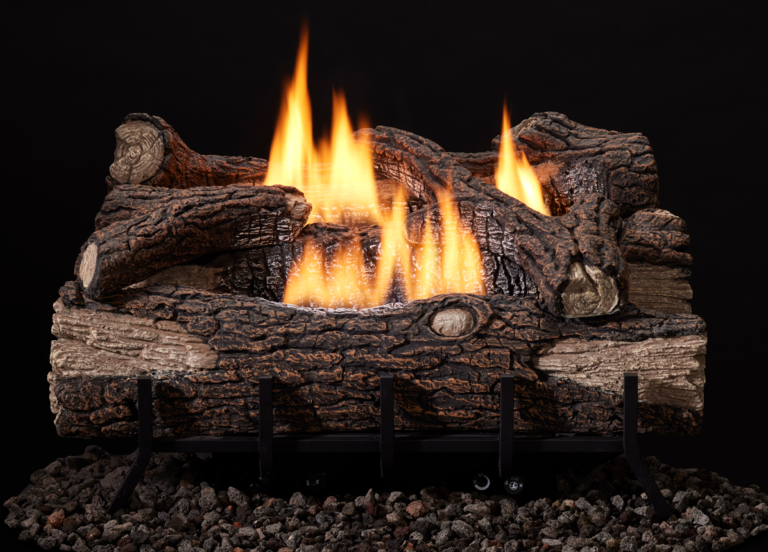
Gas inserts operate on natural gas or propane, offering consistent heat output with easy operation. Key features include:
Installation Requirements: Accessible gas line and co-linear vent system installation.
Learn more about gas fireplace inserts:
Best for: Ambiance without venting requirements
Electric fireplace inserts provide flame effects and supplemental heating without combustion. Perfect for:
Learn more about electric fireplace inserts:
Blower Systems:
Integrated or optional blowers circulate heated air throughout your room, providing faster warm-up times and better heat distribution.
Air Wash Glass Technology:
This feature directs combustion air across the glass door, keeping your view of the flames clear and reducing glass cleaning frequency.
Thermostatic Control:
Available on gas and pellet models, thermostatic controls maintain your desired room temperature automatically.
Custom Trim Panels:
Professional trim panels create a seamless, finished appearance by covering gaps between the insert and your existing fireplace opening.
Pre-Installation Requirements:
Accurate fireplace measurements are essential for proper fit and safety. Professional measurement ensures code compliance and optimal performance.
Venting Systems:
All fireplace insert installations must meet UL 1482 and NFPA 211 standards. Certified technicians ensure proper clearances to combustibles and code compliance.
Total Installation Investment:
Wood-Burning Insert Systems: $5,500 to $7,500 installed
Gas Insert Systems: $5,000 to $8,000 installed
Pellet Insert Systems: $6,000 to $8,500 installed
Additional costs may apply for electrical upgrades, gas line extensions, or chimney repairs.
Annual Maintenance Tasks:
Fuel Quality Guidelines:
“Inserts Ruin My Fireplace’s Appearance”
Modern fireplace inserts include customizable surrounds, trim options, and decorative elements that enhance rather than detract from your fireplace’s aesthetic appeal.
“Inserts Don’t Generate Sufficient Heat”
Properly sized fireplace inserts can heat 1,000 to 2,500 square feet, making them effective primary or supplemental heating sources for most homes.
“Installation is Too Complicated”
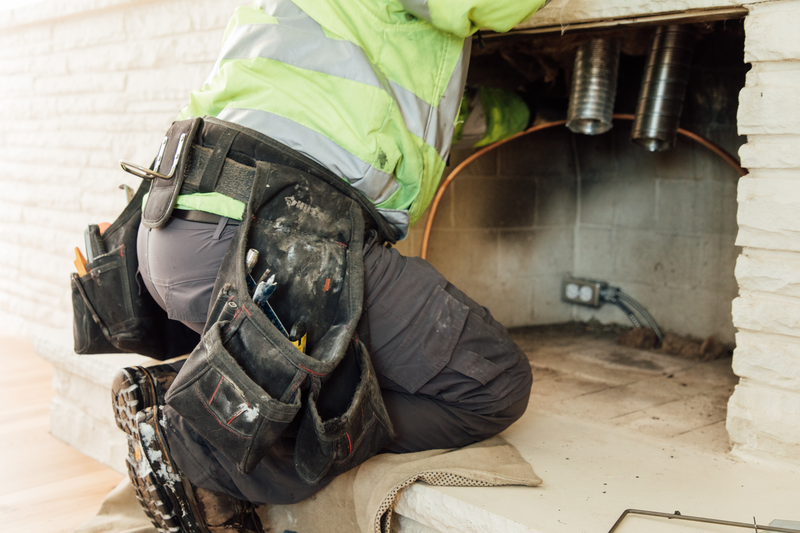
Professional installation typically takes one day with proper measurements and site preparation. Certified technicians handle all technical requirements and code compliance.
Consider Your Heating Goals:
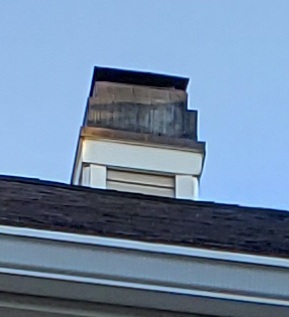
Evaluate Your Chimney Condition:
Professional inspection determines what modifications may be needed for safe operation and optimal performance.
Assess Fuel Availability and Preferences:
Quality installation ensures safety, efficiency, and warranty coverage. Look for:
A fireplace insert transforms your inefficient open fireplace into a powerful, efficient heating system. With proper selection, professional installation, and regular maintenance, your insert will provide decades of reliable warmth, energy savings, and enhanced home comfort.
Professional consultation helps ensure you select the right insert for your specific needs, chimney condition, and heating goals. This investment in expert guidance protects your home and maximizes your heating system’s performance.