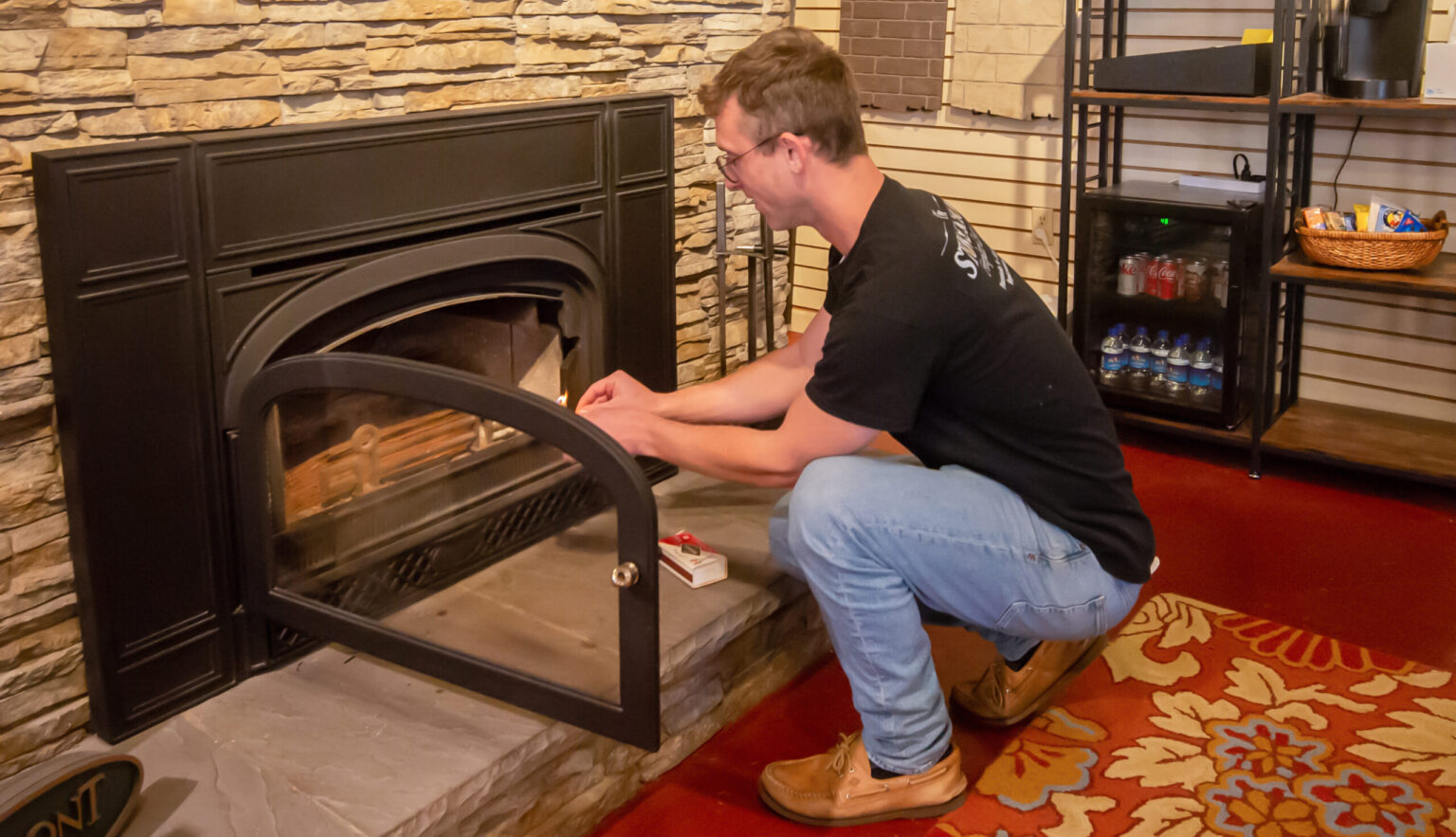
Recommended Tools for a Smoke-Free Start
To make this process easier and safer, we recommend keeping these two generic essentials on your hearth. Both are readily available on Amazon and are staples for any wood-stove or fireplace owner. (Any affiliate links you click on will support our business.)
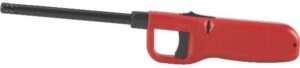
1. Long-Neck Utility Lighters
Safety is key when reaching up toward the damper. A Long-Neck Utility Lighter allows you to reach high into the firebox to hold your fire-starter directly under the flue without risking singed fingers. We have had good luck with Mango Kingdom 3 Pack King Multi Utility Lighter Assorted Colors.
Why it works? It provides a controlled, constant flame that helps ignite your “priming” material quickly.
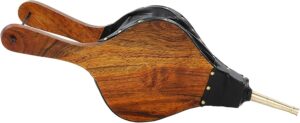
2. Fireplace Bellows
Sometimes a draft needs a little extra encouragement. Fireplace Bellows are a classic tool for a reason. By delivering a concentrated burst of oxygen to the base of your newly lit fire, you increase the temperature rapidly. Our favorite are the Minuteman International Large Classic Bellow.
Why it works? The faster you can generate high heat at the start, the faster that cold air plug is pushed out of the chimney, ensuring smoke stays where it belongs: outside.
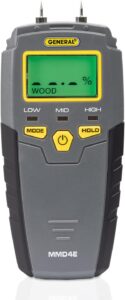
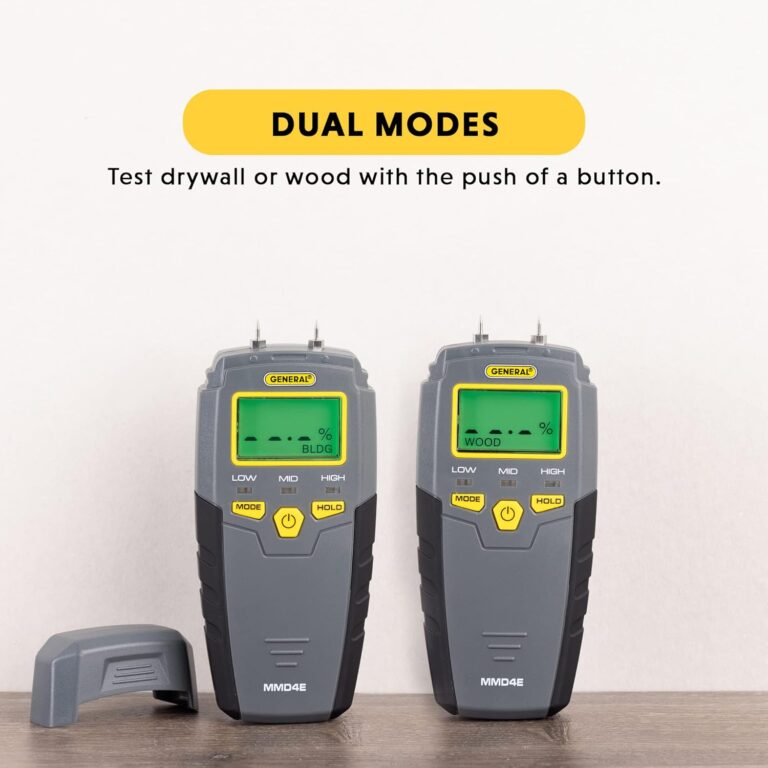
3. Digital Wood Moisture Meter
You cannot tell if wood is properly seasoned just by looking at the bark or the color. Burning “green” or wet wood is the primary cause of sizzling, poor heat output, and dangerous creosote buildup in your chimney. We recommend General Tools MMD4E Digital Moisture Meter to gauge your firewood’s moisture.
Why it works? A Moisture Meter gives you an instant, objective reading of the internal moisture content; for a clean, smoke-free burn, your wood must be below 20% moisture.
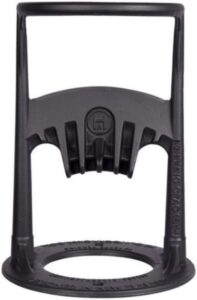
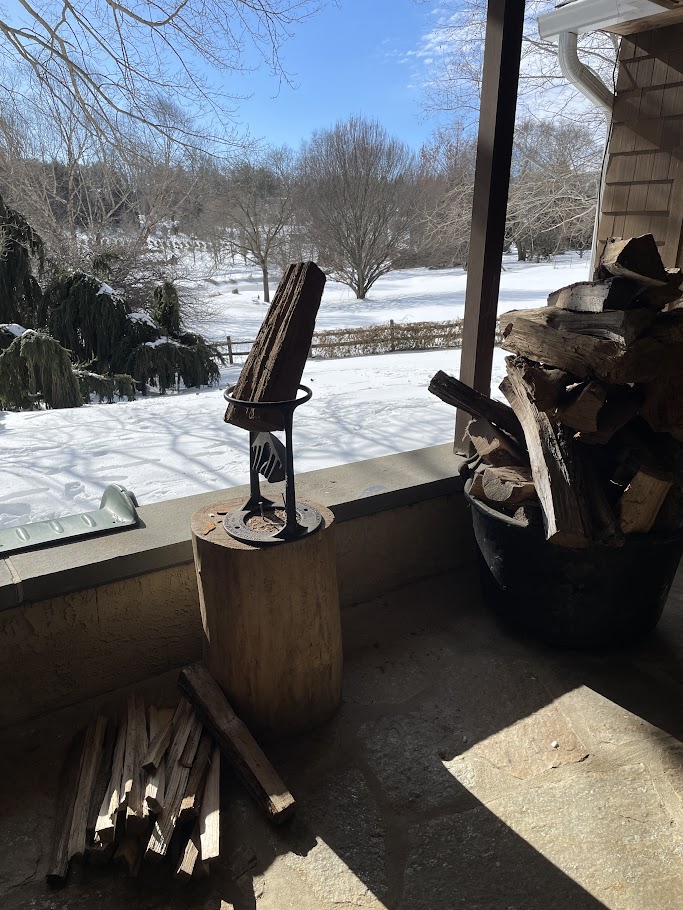
4. Kindling Cracker
Creating the small, thin strips of wood required for the “top-down” fire-starting method can be dangerous with a traditional hatchet. A Kindling Cracker allows you to split small logs into perfect kindling using a fixed blade inside a safety cage.
Why it works? By producing uniform, dry kindling without the risk of an axe, you can build a fire that catches instantly and generates the immediate heat necessary to break a cold air plug. We have had great luck with the Estwing Engineer Hammer for splitting that firewood.
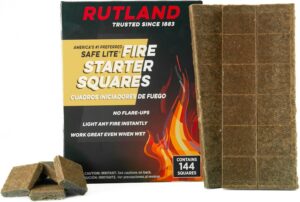
5. Compressed Firestarter Squares
Using liquid accelerants or excessive newspaper can create a “flare-up” or produce too much messy ash. Firestarter Squares (made of wood fiber and wax) provide a steady, high-temperature flame for 8–10 minutes. We prefer Rutland brand fire starters and have been using them for over 30 years.
Why it works? These squares burn long enough and hot enough to establish a consistent upward draft in your flue, ensuring your main logs ignite without the fire smoldering and smoking.
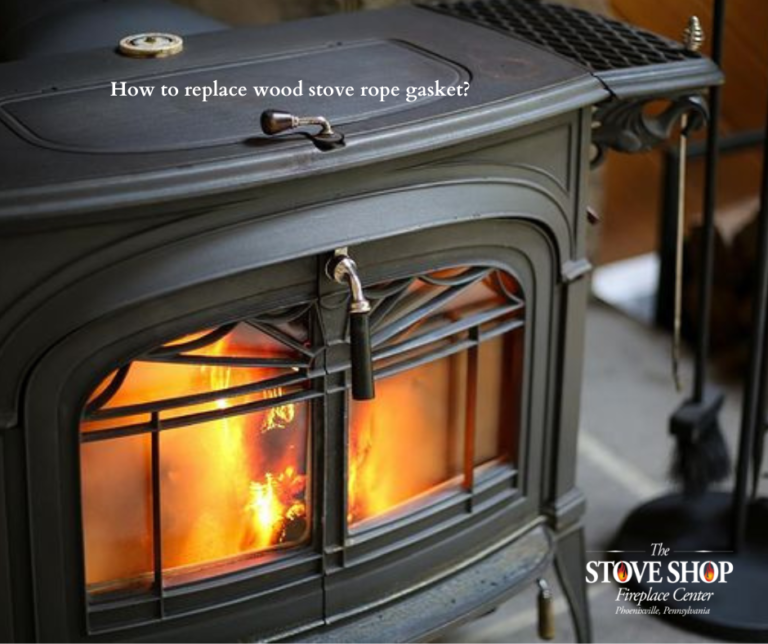
6. High-Temperature Door Gasket
WARNING BEFORE BUYING! Make sure you have the correct gasket sizing. A smoky start isn’t always about the chimney; sometimes, it’s about the seal on your stove door. If your gasket is worn out, flattened, or frayed, “leaky” air can enter the firebox, cooling down the flames and killing the upward draft you worked so hard to establish. We recommend Rutland gasket for wood stoves and wood fireplace inserts.
Why it works? A fresh Fiberglass Rope Gasket creates an airtight seal, ensuring that 100% of the air entering your stove is controlled by your vents.
The Expert Tip: Perform the “dollar bill test”—close your stove door on a dollar bill; if you can pull it out easily, your seal is failing and it’s time for a replacement kit. Learn how to replace your wood stove gasket?