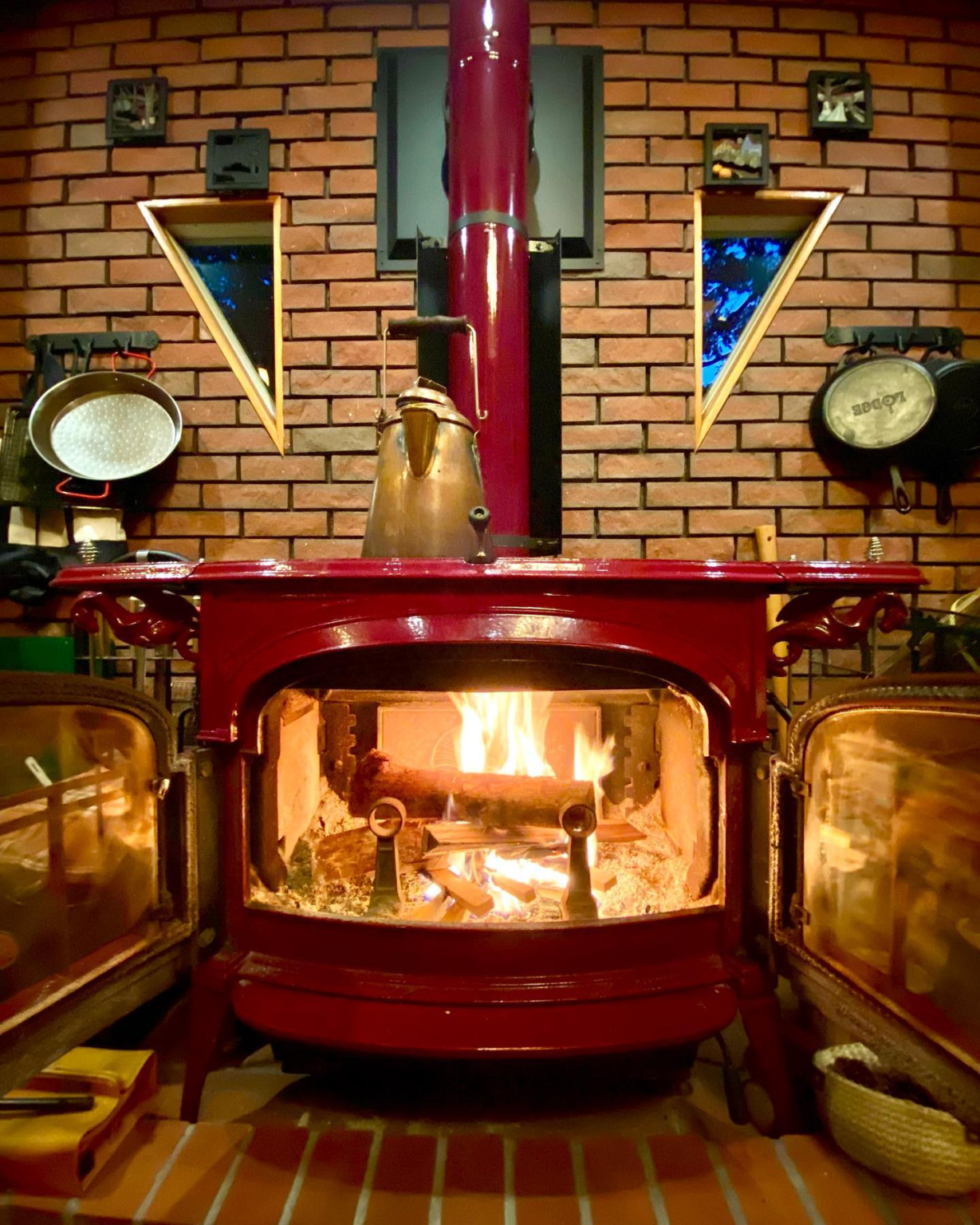
Are Wood Stoves Still Legal & Legit for Home Heat?
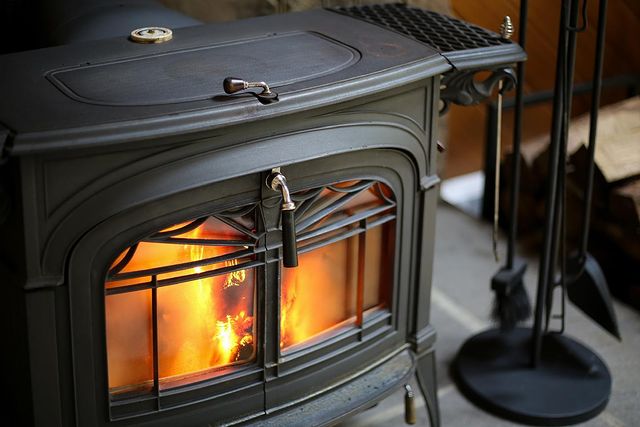
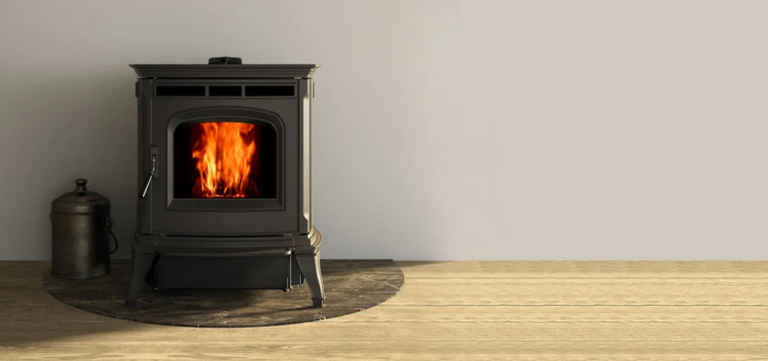
Yes, wood stoves are legal and remain a powerful way to heat your home in 2026. However, “burning wood” today looks very different than it did forty years ago. Strict federal regulations and safety standards now ensure that wood heat is both environmentally responsible and structurally safe.
Laws | EPA and New Source Performance Standards
The U.S. Environmental Protection Agency (EPA) regulates the sale and manufacture of wood heaters through the New Source Performance Standards (NSPS).
- 2.0 Gram Rule: As of 2020 (NSPS Step 2), all new wood stoves sold in the U.S. must produce no more than 2.0 grams of particulate matter per hour.
- Existing Stoves: If you already own an older stove, it is generally “grandfathered” in, meaning you can legally continue to use it.
- “Burn Ban” Exception: On days with poor air quality, some local governments may issue temporary burn bans. Always check with your local air quality board.
Fuel | Is Wood Heat “Legit” for Saving Money?
Wood heat is one of the few ways to truly achieve energy independence.
- Efficiency: Modern EPA-certified stoves convert wood to heat at much higher rates than older models, meaning you use less fuel to get the same warmth.
- Cost Comparison: When compared to propane or electric baseboard heat, wood is often significantly cheaper, especially if you have access to your own land. Review this Fireplace Fuel Cost Guide to see the math.
Budget | Average Price Wood Installation
| Component | Estimated Cost |
| EPA-Certified Wood Stove | $2,500 – $5,500 |
| Professional Installation & Venting | $1,500 – $4,500 |
| Annual Fuel (3 Cords Seasoned) | $1,000 – $1,350 |
For a detailed breakdown of these numbers, see the Wood Fireplace Installation Cost page.
Safety | NFPA 211 Standards
To be “legit” in the eyes of your insurance company and local building inspector, your stove must be installed according to NFPA 211 (the Standard for Chimneys, Fireplaces, Vents, and Solid Fuel-Burning Appliances).
- Clearances: Every stove has a “rating plate” that lists its specific clearance requirements to combustible walls. If a stove is uncertified, the default requirement is a massive 36 to 48 inches.
- Inspections: NFPA 211 recommends a Level 2 chimney inspection whenever you buy or sell a home with a wood stove or change the appliance.
Confidence | How to Master Your Wood Stove?
To get the most heat for your dollar and stay within legal smoke limits, follow these best practices:
- Use Proper Fuel: Never burn “green” or wet wood. It creates creosote and heavy smoke. Check out the Chester County, PA Firewood Buying Guide and learn about Firewood Storage to keep your logs dry.
- Know Your Units: Understand exactly what you are buying by learning the difference between Cord Wood vs. Crib Wood and how much is actually in a Cord of Firewood.
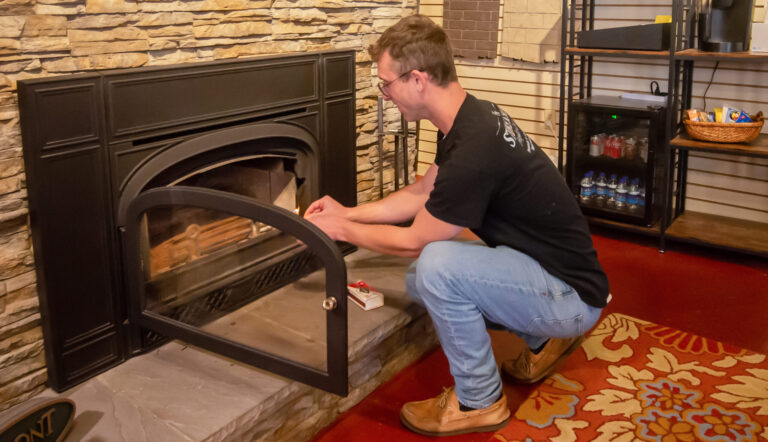
- Proper Lighting: Use the Top-Down Method to start your fire. It pre-heats the chimney quickly and results in a cleaner burn.
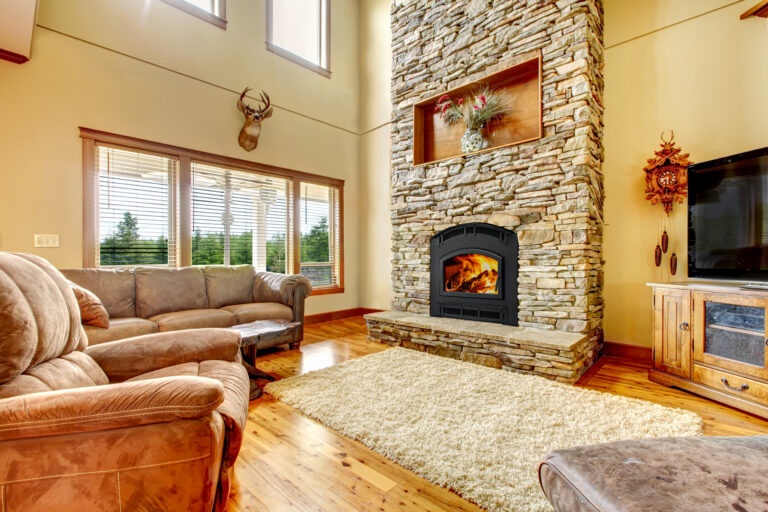
Yes! Wood Stoves and Wood Fireplace Inserts are Legal and Effective for Home Heat
Wood stoves are a legal, legitimate, and highly efficient way to heat a home. By following the NSPS Step 2 standards and ensuring your installation meets NFPA 211 codes, you can enjoy a safe, warm home while reducing your reliance on the grid. What are your next steps to getting a new wood stove? Read the Ultimate Wood Heating Guide to find the right stove size for your home and learn How to Start a Wood Stove Fire like a pro.