Can Fireplace Smoke Make You Sick?
Yes, fireplace smoke can definitely make you sick! Breathing in combustion is not good for your health.
If you smell smoke, call the installing fireplace company or a certified professional and ask them to check out the appliance for your peace of mind. It never hurts to get a proactive service call and make sure your fireplace is safe. Read on to get more info.
What kind of fireplace smoke do you smell?
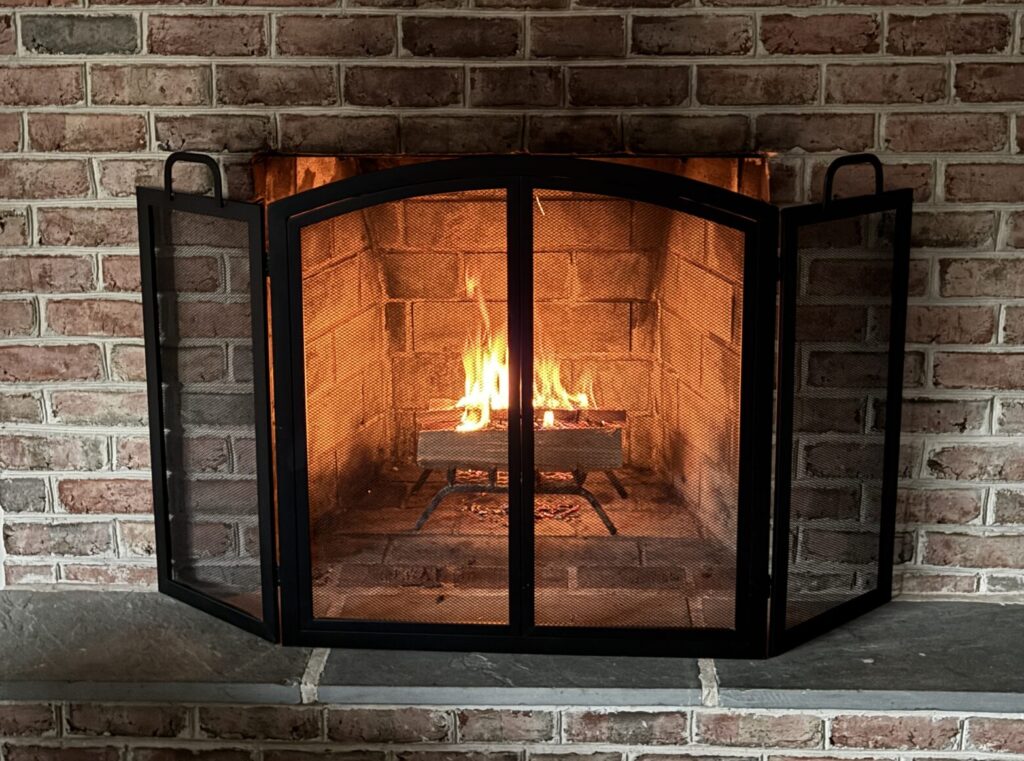
Fireplaces burning wood or gas logs should not produce an odor unless they are unvented gas logs. Both vented gas logs, fireplace inserts and open wood burning fireplaces should produced little to no order in your home. If you are consistently smelling smoke or gas, we highly recommend getting service from a certified professional.
Do you run your kitchen fan when cooking on the stovetop?
If you run a fan while cooking, think of your fireplace in the same way. Sounds obvious, but you do not want to breathe in smoke. Vents exist so combustion does not enter your home. Cooking and home heating both require combustion. When fuel combusts, it releases an off-gas that is not healthy to breathe into your body. Combustion is best vented outside, so you do not breathe it into your lungs.
Indoor smoke exposure causes immediate respiratory irritation, sinus inflammation, and severe coughing, while long-term exposure significantly increases the risk of chronic asthma, reduced lung function, and cardiovascular strain.
Why fireplaces spill smoke & how fuel systems compare?
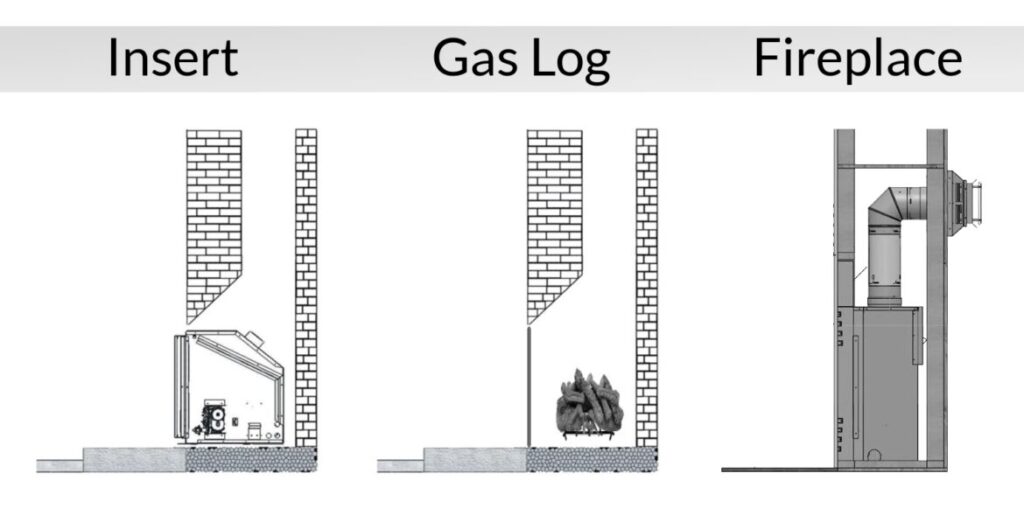
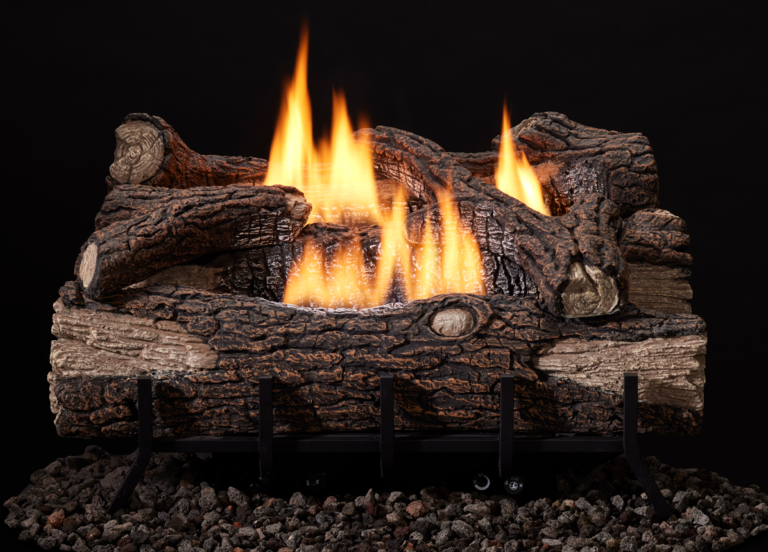
Vented Gas Logs: Installed into existing open masonry fireplaces. Requires clamping the chimney damper permanently open to exhaust combustion gases outdoors. Delivers strong visual ambiance, but pulls warm air out of the room, providing minimal heat retention and risking backdrafting if the home has negative pressure.
Unvented (Vent-Free) Gas Logs: Burns fuel at near 100% thermal efficiency without requiring a flue. Discharges all heat and combustion byproducts directly into the living space, subjecting them to strict local building codes and room volume limitations to prevent moisture buildup and oxygen depletion.
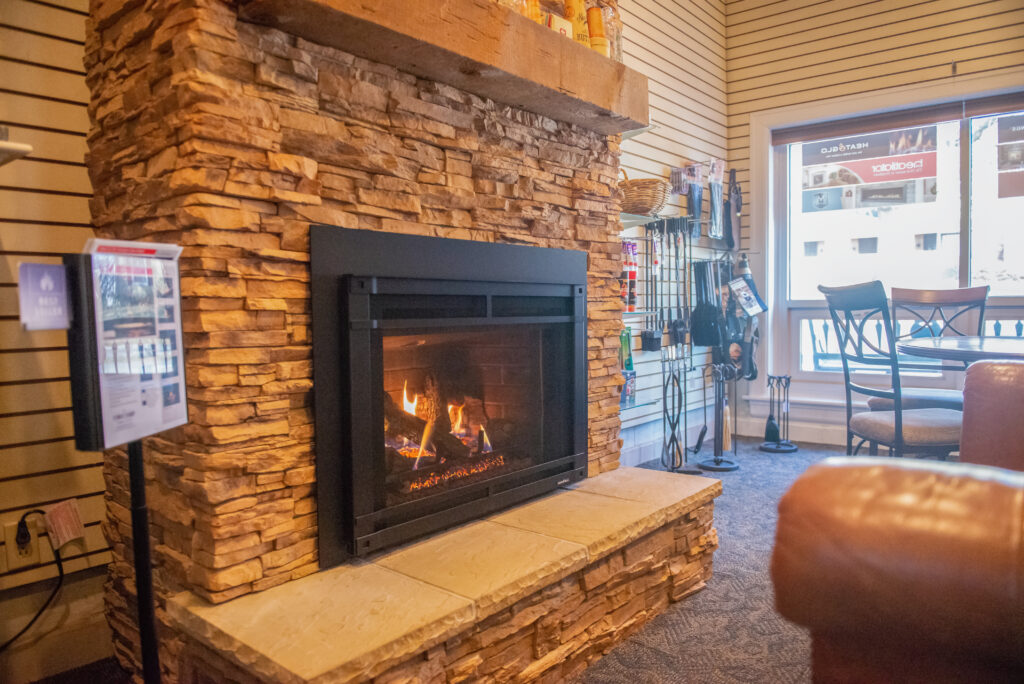
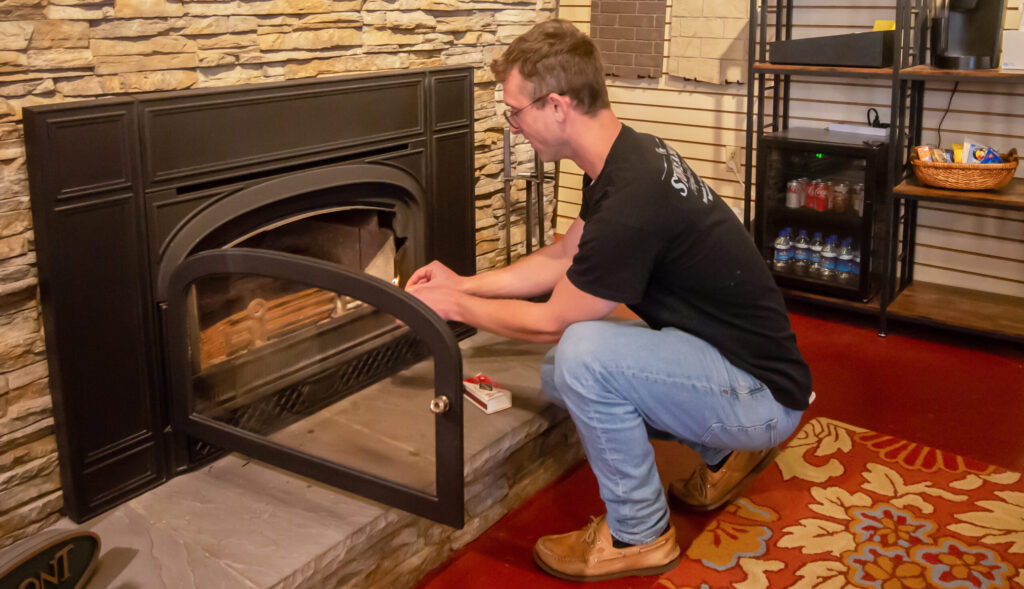
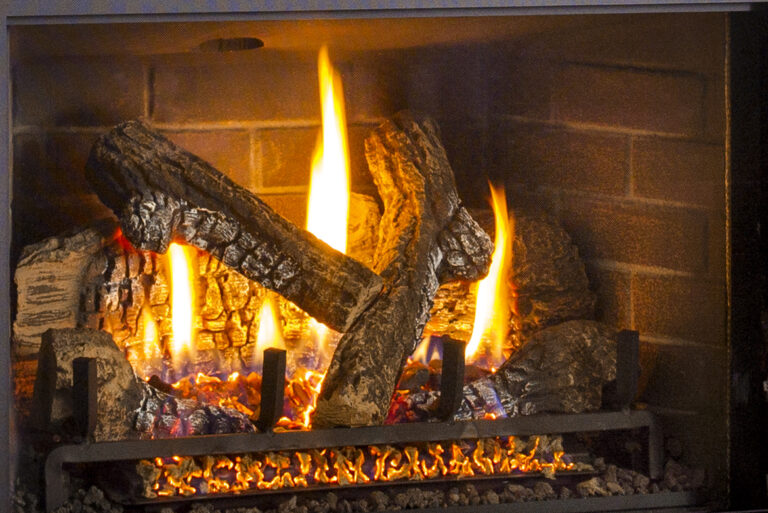
Fireplace Inserts (Wood, Pellet, Gas): Heavy-duty, sealed firebox engines engineered to convert open hearths into high-efficiency zone heaters. Draws combustion air into a closed chamber and vents all smoke through a continuous, listed stainless steel chimney liner running to the top of the flue.
Factory-Built (Zero-Clearance) Fireplaces: Engineered metal units framed directly into combustible wall construction using specific air-gap clearances. Requires UL 127-listed factory chimneys engineered precisely for the unit to maintain safe operating temperatures.
Freestanding Stoves (Wood, Pellet, Gas): Standalone heating units installed over noncombustible floor protectors. Operates as high-efficiency radiators and convectors that heat main living zones without allowing combustion byproducts into indoor air.
Do you have a unvented gas logs?
If you have an unvented gas log set, it is possible you smell gas in your home. Unvented gas logs can cause a headache for some folks due to the gas smell. Some people do not mind unvented combustion.
Personally, we do not sell unvented gas logs at The Stove Shop in Phoenixville, PA because unvented heating appliances do not help our customers stay warm or save money. We believe a vented gas fireplace insert is a much better long term solution for our customers than unvented gas logs.
Where are unvented gas logs most common?
Depending on your market, unvented gas logs might be commonplace. Here in the north eastern United States, we need significant, reliable, long term heat year after year. Unvented gas logs are more common in warmer climates where windows are often open to allow free air flow.
How to replace unvented gas logs with a vented gas fireplace insert?
Converting from unvented logs to a sealed direct-vent insert drastically improves indoor air quality, heating efficiency, and home safety. Ensuring that the chimney flue undergoes a Level II camera inspection, that gas and electrical rough-ins meet code, and that mantel clearances match the unit’s latest manual will deliver a safe, comfortable, and cost-effective heating solution for years to come.
Replacing unvented gas logs with a sealed, vented gas insert requires converting an open masonry or factory-built hearth into a sealed, direct-vent heating system. This job requires installing flexible metal venting through the existing chimney flue, routing dedicated electrical power, and modifying the gas line to match the new unit’s specifications.
Phase 1: Inspection & Disconnection
Perform an NFPA 211 Level II Inspection: Inspect the flue with a camera system to verify structural integrity, clear creosote, and confirm the flue dimensions can accommodate dual flexible venting pipes.
Shut Off Utilities: Turn off the main gas supply line to the hearth and disconnect circuit power to the firebox area.
Remove Existing Hardware: Disconnect the gas supply from the unvented burner, unbolt the burner pan and log grate, and clear out all media and debris from the firebox cavity.
Phase 2: Flue Venting Installation
Drop Vent Liners: Direct-vent gas inserts utilize a two-pipe co-linear system (typically two 3-inch flexible aluminum/stainless steel liners)—one for pulling combustion air from outside and one for exhausting flue gases. Run both liners down the entire length of the chimney.
Install Chimney Cap & Terminations: Connect the liners to a high-wind termination cap at the top of the flue. Seal the top plate with silicone sealant and mechanical fasteners to prevent weather penetration.
Phase 3: Utility Rough-In
Supply Gas Piping: Reroute the gas line into the lower access cavity of the firebox using hard iron pipe or approved flexible gas connectors. Ensure line sizing meets the BTU requirements of the new insert (typically 20,000 to 40,000 BTUs).
Run Electrical Power: Install a junction box with a 120V outlet inside the bottom or back of the firebox cavity to power the insert’s convection blower fan and electronic ignition module.
Phase 4: Insert Positioning & Connection
Set the Unit: Slide the gas insert into the firebox cavity over a floor protector or level hearth base.
Attach Venting Collar: Secure the dual flex lines to the detachable exhaust/intake collar plate on top of the insert, then slide the plate into place and lock it into the unit.
Hook Up Gas & Check for Leaks: Connect the gas supply to the unit’s millivolt or IPI control valve. Perform a bubble leak test or use an electronic gas detector at full line pressure before lighting.
Phase 5: Surround & Calibration
Install Surround Panel: Fit the custom metal surround panel over the insert face to cover the gap between the unit and the original firebox opening.
Set Log Set & Glass: Place the ceramic log set, glowing embers, and decorative media precisely as directed in the unit’s manual to prevent carbon buildup on the glass panel.
Test Fire & Draft Verification: Power on the unit, test remote/wall switch operation, verify proper flame appearance, and confirm the blower turns on when the thermostatic sensor reaches temperature.

Why does my basement wood fireplace smoke?
Basement fireplaces smoke because the basement sits at the lowest air pressure zone in your home, making it highly susceptible to back drafting caused by indoor air depressurization and cold flue air plugs.
Primary Causes of Basement Fireplace Smoke
The Stack Effect: Warm air naturally rises to the upper levels of your house and escapes through attic vents, ceiling gaps, or upper-floor windows. This creates low pressure at the basement level, which pulls replacement air down through your chimney pipe.
Cold Flue Air Plugs: Basement chimneys are unusually tall, and many run along exterior walls. A dense column of heavy, cold air cools inside the flue and acts like a liquid plug, preventing rising hot smoke from establishing an upward draft.
Mechanical Air Competition: High-CFM kitchen range hoods, bathroom exhaust fans, clothes dryers, or HVAC return ducts in the basement pull air out of the room, forcing your chimney to act as a fresh air intake rather than an exhaust.
Incorrect Flue Sizing: Fireplace draft requires a precise ratio between the firebox opening and the flue liner cross-sectional area (typically 1:10 for square/rectangular flues or 1:12 for round flues). An oversized firebox paired with an undersized flue will spill smoke.
Flue Blockages & Creosote: Heavy creosote accumulation, internal masonry collapse, or animal nests restrict the inner flue diameter, choking off the air flow needed to sustain a draft.
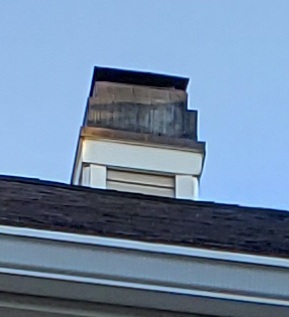
Violating the 3-2-10 Clearance Rule: If the top of the exterior chimney fails to extend 3 feet above the roof penetration and 2 feet higher than any portion of the roof within 10 feet horizontally, wind turbulence pushes smoke back down the flue.
Immediate Fixes & Action Steps
Prime the Flue: Roll up a piece of newspaper, light the top end, and hold it high near the open damper for 30–60 seconds before lighting your kindling to reverse the cold air column.
Crack a Basement Window: Open a window 1 to 2 inches on the windward side of the basement before lighting to equalize indoor air pressure and supply fresh combustion air.
Turn Off Household Exhaust Systems: Shut off all bathroom fans, range hoods, and central vacuum systems while lighting and running the fireplace.
Schedule an NFPA 211 Inspection: Have a CSIA certified chimney technician perform a Level II camera inspection to check for flue blockages, cracked flue tiles, or damper alignment issues.
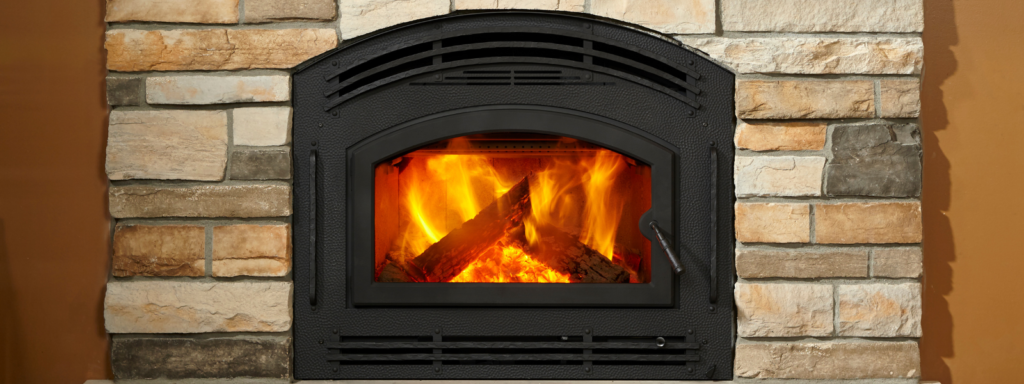
Wood smoke smells great, but you do not want it coming into your home on the regular. Even open wood burning fireplaces should send a majority of the smoke up your chimney and outside. If you wood fireplace is dumping smoke into your home is it likely due to negative pressure or other environmental conditions.
Wood burning tip: Make sure your firewood’s moisture is below 15% for the best chance of lighting a fire without smoking up the living room.
Looking for a professional fireplace installation company near you? Fireplace Directory can help! Find a qualified fireplace specialist today.