Why Unvented Gas Logs are Less Popular?
Why do homeowners have unvented gas logs?
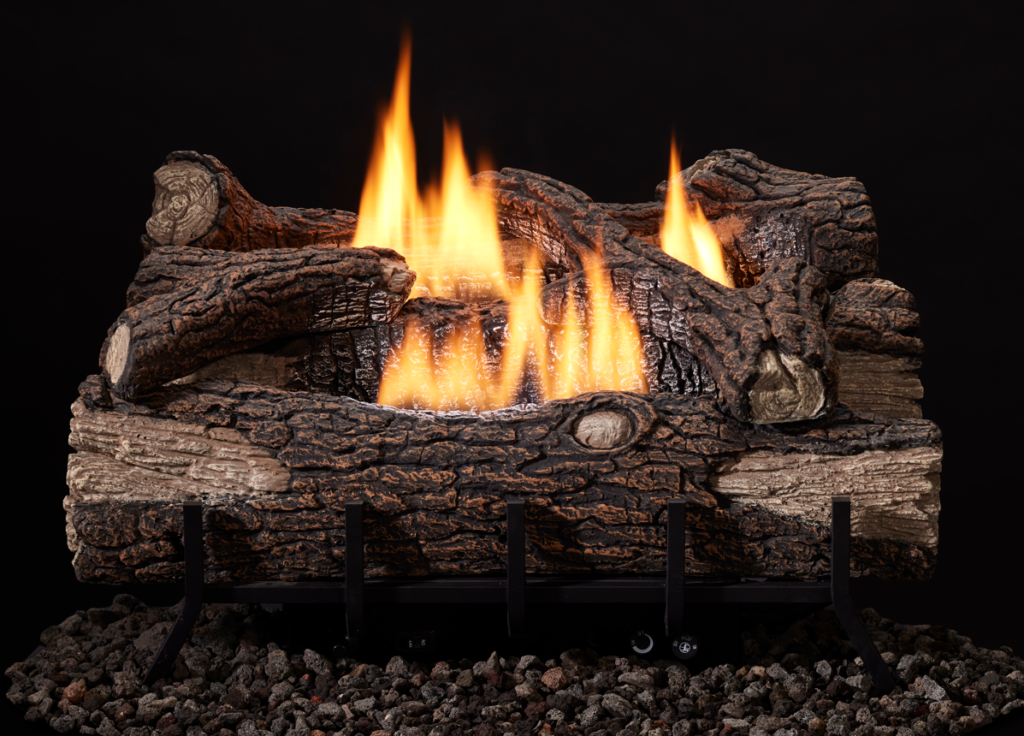
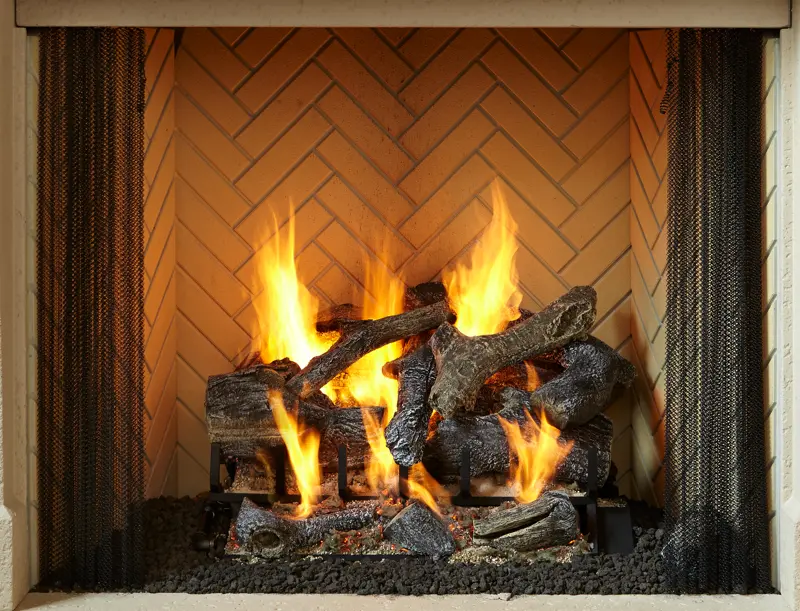
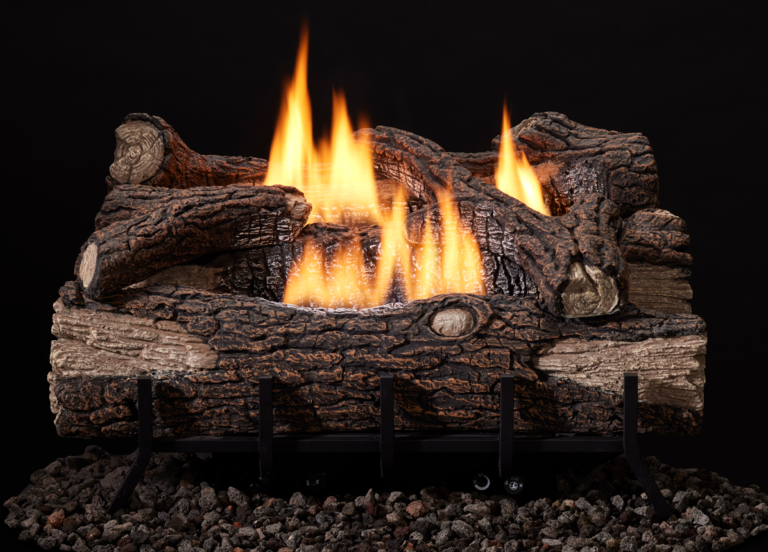
Gas logs come in two forms, vented and unvented. Folks buy unvented gas log sets because they keep all of the heat in your home and they are hot! Through the 90’s gas logs became a very popular recommendation. The difference between gas logs and their counterparts gas fireplaces and gas fireplace inserts are their ventilation. Unvented gas logs vent into your home. Vented gas logs vent into a chimney, often unlined. Both unvented gas logs and vented gas logs are open, with no glass between your home and the fire.
Three Major Problems with Unvented Gas Logs
- Indoor Air Quality – Unvented gas logs are vented into your home. They use your room air for combustion and send any off gas into your living room. If you are sensitive to smell or have no air flow in the room, unvented gas logs can be very unpleasant. Even though unvented gas logs are engineered to burn cleanly, they still release trace amounts of carbon monoxide, nitrogen dioxide, and unburned fuel odors. For people with asthma, allergies, or respiratory sensitivities, this often leads to headaches, eye irritation, or breathing difficulty.
- Moisture and Mold – Unvented gas logs are open to your home and produce moisture.
A primary byproduct of burning natural gas or propane is water vapor. An unvented log set can output close to a gallon of water into your home’s air for every few hours of operation. In modern, tightly sealed, energy-efficient homes, this excess moisture has nowhere to go, frequently causing:
Condensation on windows and walls.
Musty odors.
Mold and mildew growth inside walls or on furnishings.
- Dust and Dirt in Your Home – Due to the open flame, debris like dirt, dust and pet hair will burn up. Yearly maintenance is essential, but even still these debris can burn off and damage your home. If you do not maintain your unvented gas log set, there is a high chance you are sooting up your living space.
What is the difference between gas logs, gas fireplaces and gas fireplace inserts?
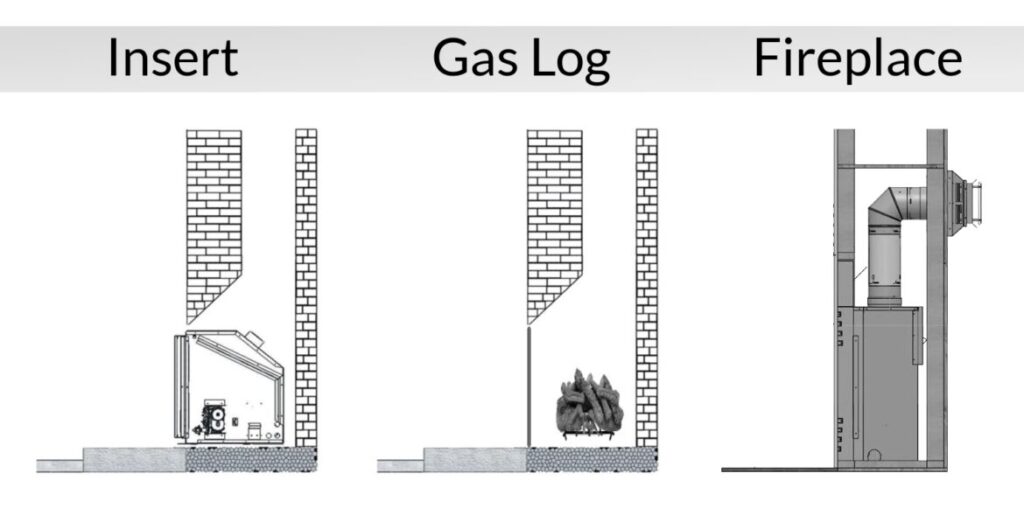
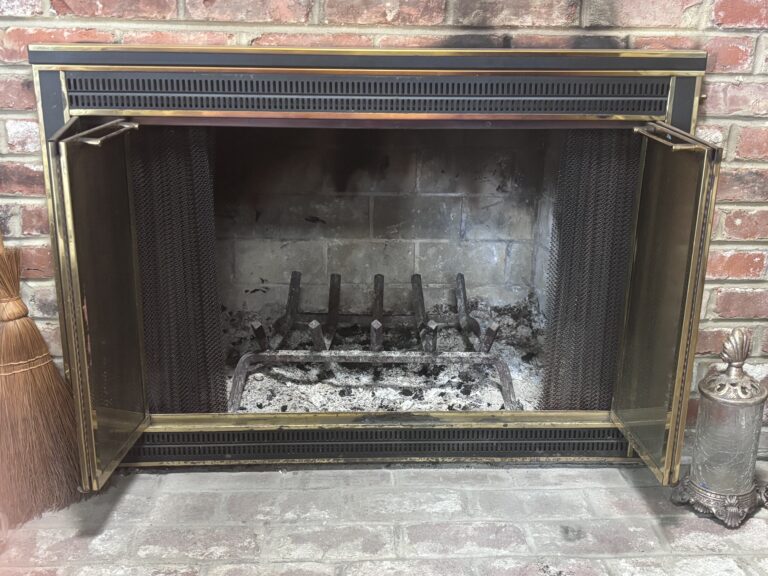
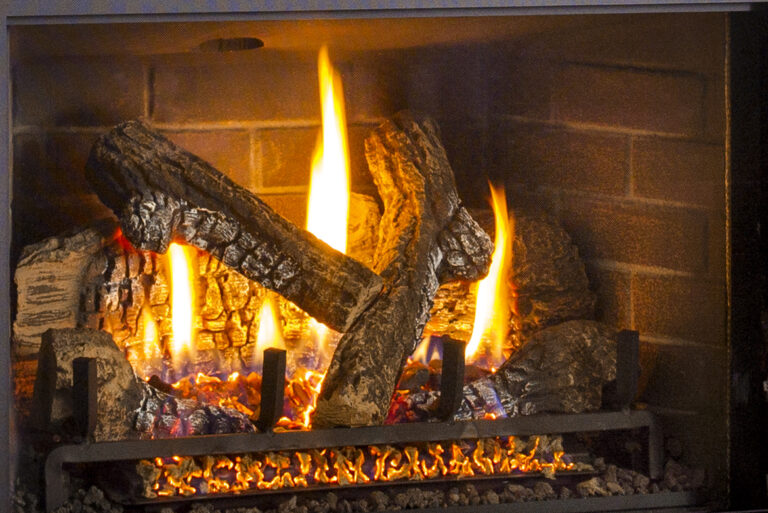
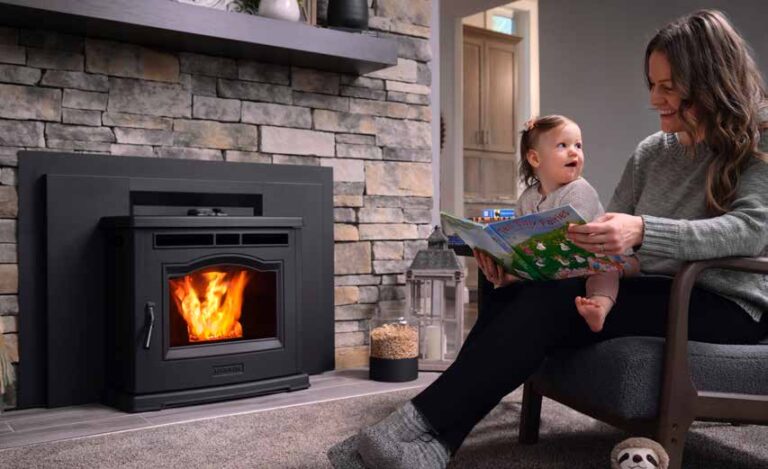
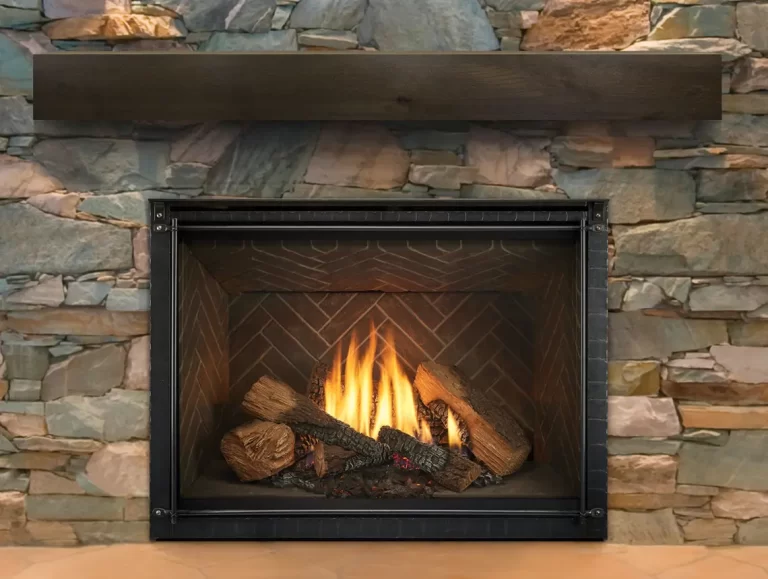
The major difference between gas fireplaces and inserts is where they are installed. Gas fireplaces are put into a wall, gas inserts are “inserted” into an already existing fireplace. Masonry fireplaces are the most common candidates for a gas fireplace insert. Similarly, gas logs are installed in a fireplace that can safely burn wood. That means many fireplaces with gas logs are PERFECT candidates for a gas fireplace insert.
Learn more about gas fireplaces, gas logs and gas inserts:
Knowledge is power. Understanding the difference between gas logs, gas fireplaces and gas inserts can be difficult. Want to learn more? We have some additional resources available that will help.
The Stove Shop Fireplace Experts specializes in the installation and service of gas, wood and pellet stoves and fireplaces. Our mission since 1977 has been to help our customers stay warm and save money. We are located at 20 E. Pothouse Road in Phoenixville, PA 19460 please give us a call 610-935-9334 or stop in our fireplace design showroom today!