What is the most common problem with a new gas fireplace?
If your gas fireplace stops working in the middle of the winter, it can make your heart skip a beat. The convenient warmth from an efficient, high-quality gas fireplace is unmatched as a home heating option. We have heard many questions about gas fireplaces since our start in 1977. We are here to answer a question we hear very frequently before a customer buys a new gas fireplace: “What are the most common problems with a gas fireplace?”
Gas fireplaces love yearly check and cleans
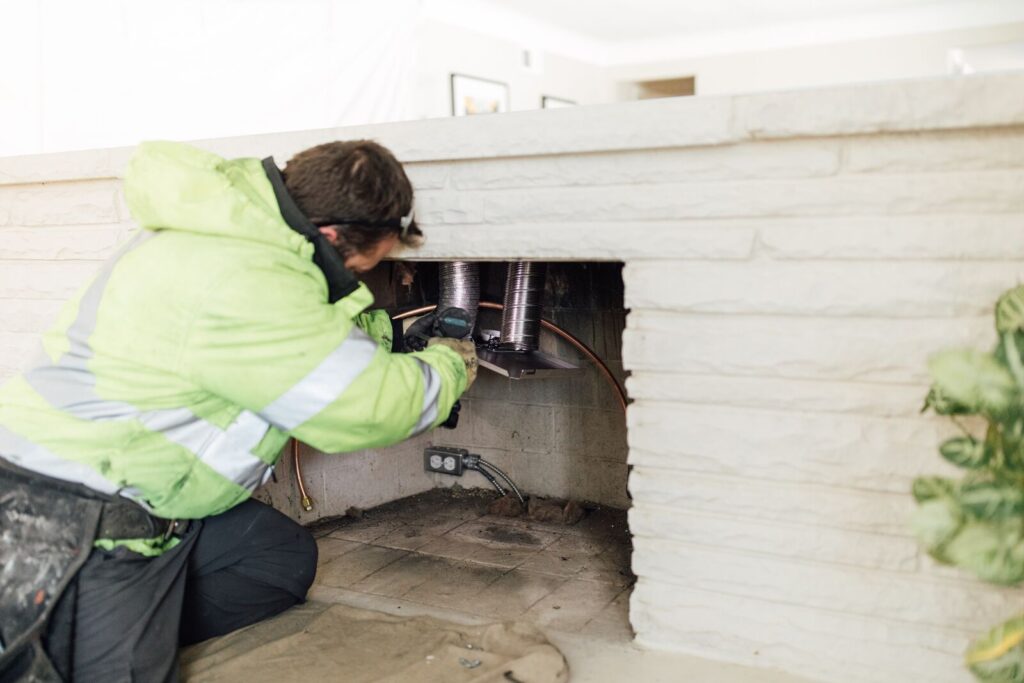
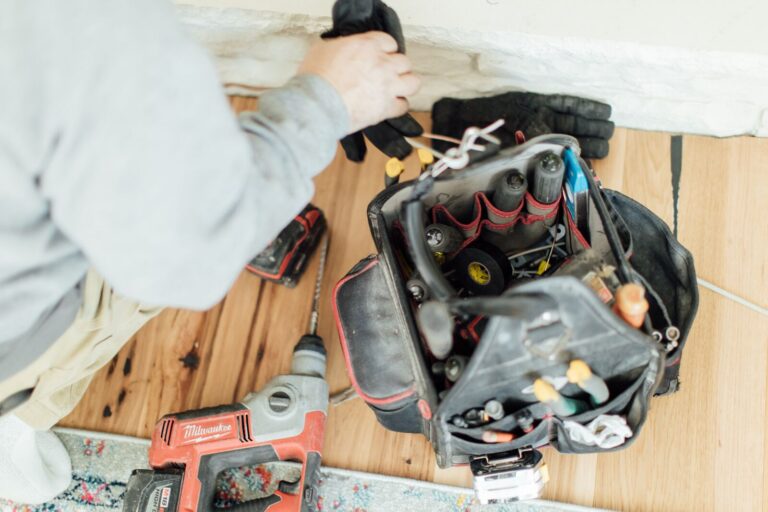
According to our NFI certified fireplace field techs, the most common reason a gas fireplace breaks is because a lack of service. Gas fireplace manufacturers require yearly service for your appliance to stay in warranty. Many specialty hearth retailers offer gas fireplace service specials in the spring a summer when business is slow. Take time to get your gas fireplace serviced yearly and you will enjoy it for the next 20 years.
What are the common service needs of gas fireplaces?
- Pilot Light and Electronic Ignition Failures: Pilot light and ignition problems top the list of service calls.
- Faulty Thermocouples and Thermopiles: If your pilot lights while holding the control knob down but dies the moment you release it, the safety sensors are the primary suspect.
- Remote Control and Wall Switch Signal Failures: When the pilot stays lit but flipping the wall switch or pressing the remote button does nothing, the issue lies in the control circuit.
- Blower Fan and Motor Malfunctions Convection: blowers pull cool air from the room, circulate it around the hot fireplace chassis, and push warm air back into the room. Because blowers sit in the bottom compartment near floor level, they collect significant amounts of lint and dust.
- Gas Valve and Pressure Regulation Issues: Proper manifold pressure is required for smooth, quiet ignition and a healthy flame pattern. If gas pressure is set too low, the main burner lights with a delayed “pop” or produces a weak, dull flame. If pressure is too high, it leads to flame lifting, soot creation, and thermal stress on internal parts. Testing and adjusting gas pressure requires a manometer and should be handled by a certified gas technician.
- Venting Obstructions and Draft Imbalances: Direct-vent gas fireplaces draw outside air for combustion and exhaust fumes through a sealed wall or roof pipe. Obstructions in the exterior termination cap, such as bird nests, leaves, or snow pack, disrupt the draft balance. Modern units feature safety switches that shut off gas flow if improper venting is detected.
Common gas fireplace service needs cheat sheet:
| Symptom | Primary Cause | Solution |
| Pilot light won’t stay lit | Dirty thermocouple or clogged orifice | Gently clean sensor tip; clear pilot orifice |
| Pilot lights, but main burner won’t ignite | Weak thermopile or dead remote batteries | Replace batteries; test thermopile millivolts |
| Fireplace turns off after 10 to 15 minutes | Overheating receiver or blocked vent cap | Check exterior vent cap; inspect log placement |
| Loud squealing when fan runs | Dust accumulation or worn fan bearings | Vacuum blower housing; replace fan assembly if bearings failed |
Preventing Common Gas Fireplace Failures
The most effective way to avoid mid-winter breakdowns is scheduling an annual tune-up before heating season begins. A technician will polish ignition sensors, clear burner ports, vacuum air chambers, verify gas pressure, and ensure proper venting draft.
When addressing what is the most common problem with a gas fireplace, ignition flame circuit issues remain the clear winner. Regular maintenance keeps these delicate electrical and gas components working safely and efficiently.
Learn more about gas fireplace service:
Looking for a professional fireplace installation company near you? Fireplace Directory can help! Find a qualified fireplace specialist today.