facebook pixel

What are Gas Logs?

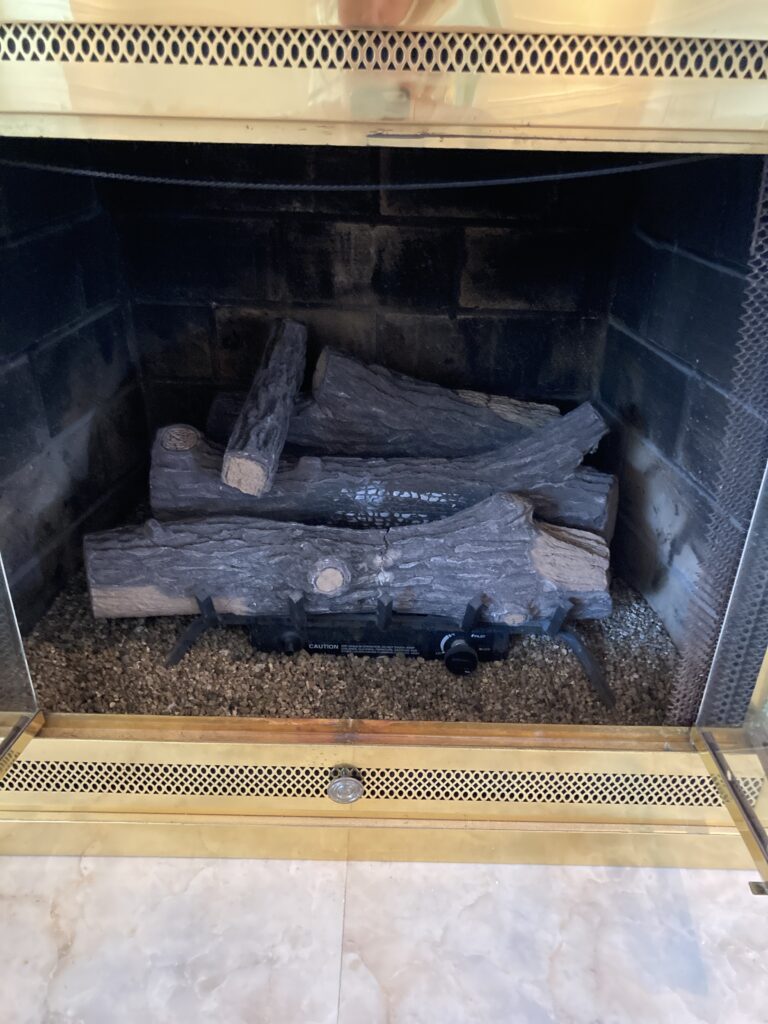
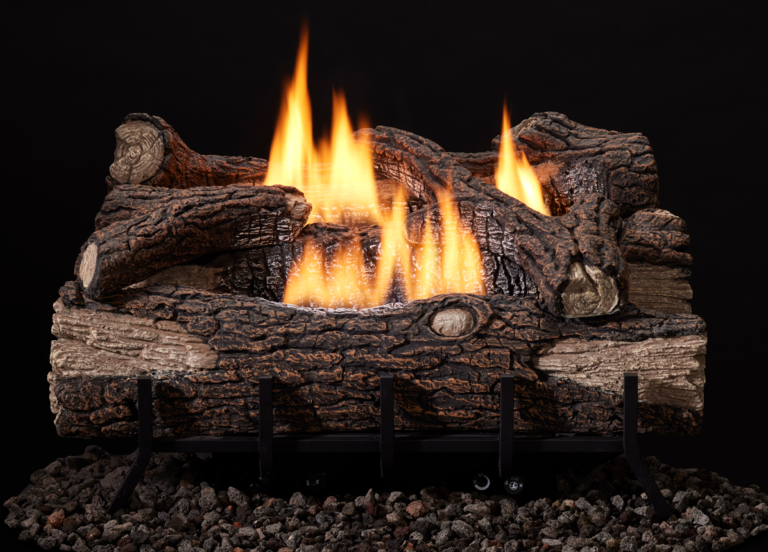
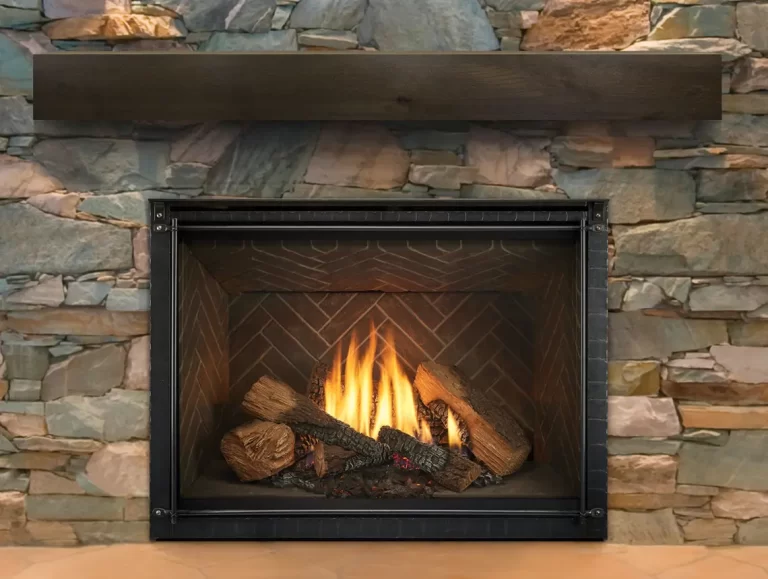
Gas logs are decorative, fuel-burning hearth appliances composed of fire-resistant ceramic or refractory fiber logs arranged over a natural gas or liquid propane burner to simulate a traditional wood-burning fire.

We view gas logs as a “fad of the 90’s” here at The Stove Shop because they do not help our customers stay warm and save money. In Pennsylvania, folks need reliable, efficient heat. Vented gas logs are largely decorative because all of the heat goes right up your chimney. Vent free gas logs send all of that combustion into your home for your to breathe making them an unsustainable log term heating solution.

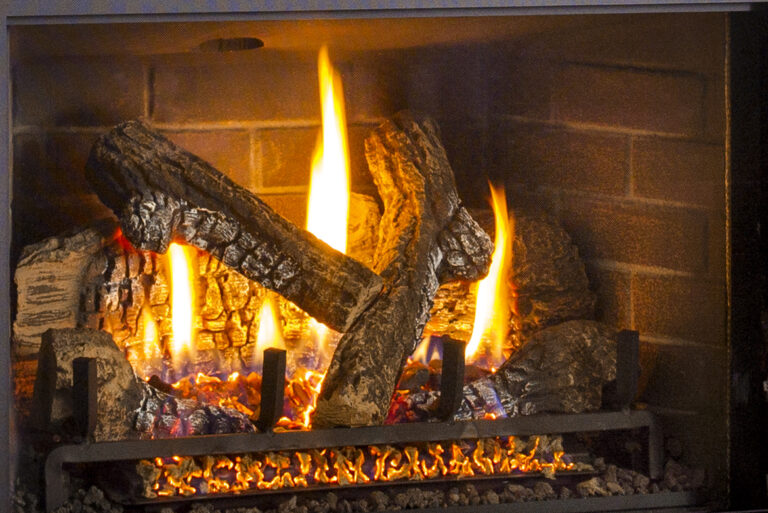
gas logs exmaple

Vented Gas Logs vs. Unvented Gas Logs

FeatureVented Gas LogsUnvented (Vent-Free) Gas Logs
Flue & Venting Requirement

Requires an open, fully functional chimney or flue; damper must be locked open permanently.

No chimney or flue required; operates with damper closed or in a certified vent-free firebox.
Heating Efficiency

Low to moderate (~20%–30%); most heat escapes up the chimney.

Extremely high (~99%); virtually all heat stays inside the living space.
Flame AppearanceTall, yellow, highly realistic flames with wood-like embers and minor soot creation.Smaller, bluer flames engineered for complete combustion; minimal soot.
Air Quality & Safety

Combustion byproducts (CO, soot, moisture) exhaust safely outdoors.

Depletes room oxygen and releases moisture/byproducts into the room; requires an Oxygen Depletion Sensor (ODS).
Code Restrictions

Widely permitted in standard masonry or factory-built fireplaces.

Restricted or prohibited in certain municipalities, bedrooms, or high-altitude locations.
gas logs

Gas Logs in Your Fireplace: Key Differences & Safety Considerations

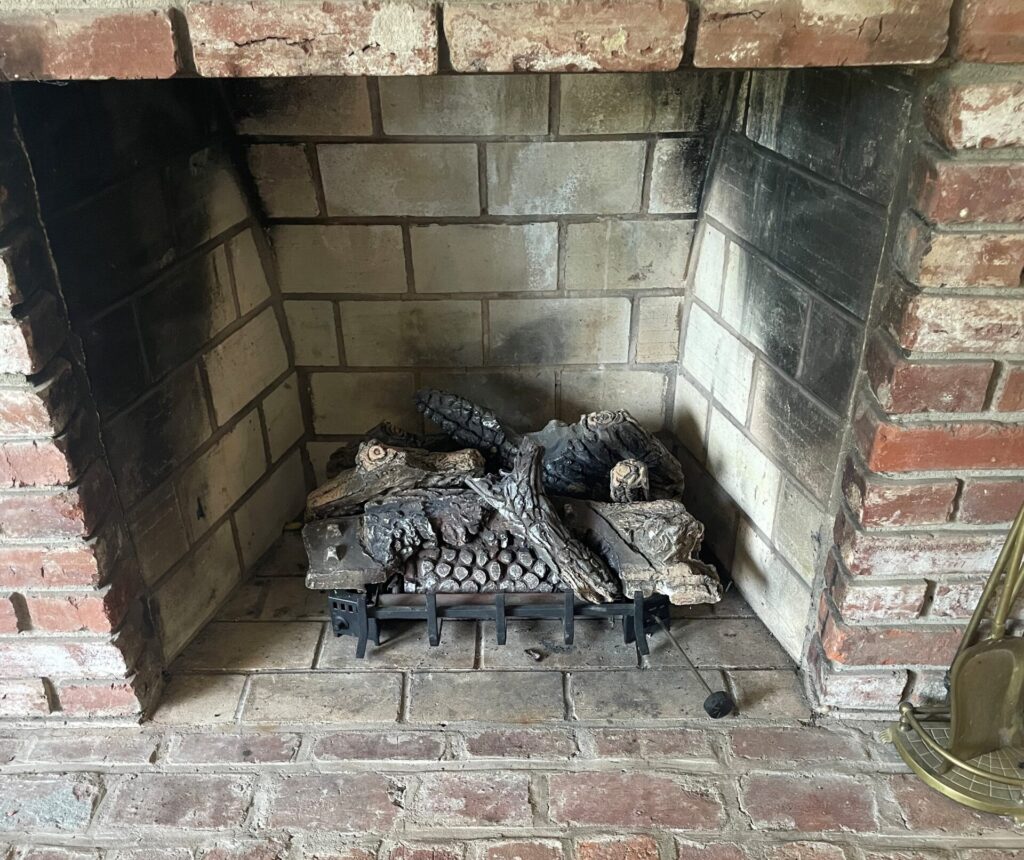
Vented Gas Logs: Prioritize ambiance and visual realism over heat output. Because they emit carbon monoxide and exhaust, safety codes like NFPA 211 mandate that the damper be clamped open to allow free draft.

Unvented Gas Logs: Prioritize supplemental room heating. They burn gas completely to keep exhaust minimal, but they deposit water vapor directly into your home’s air and require strict room-size (BTU/cu. ft.) matching to maintain safe indoor air quality.

Choosing between vented and unvented gas logs comes down to whether your main goal is traditional aesthetic beauty or maximum heating efficiency. Vented logs give you the look of a roaring wood fire at the cost of lost heat, whereas unvented logs offer incredible supplemental heat while requiring careful attention to room volume and ventilation limits.

vented gas log set example

What is the Lifespan of a Gas Log Set?

As with anything fireplace, yearly service will extend the lifetime of your gas log set significantly. Dust, hair and other buildup can clog the burner on your gas log set. Gas logs are an open appliance that accumulate unwanted debris. Yearly service gets you 15-20 years of life for your gas log set!

How to Replace and Upgrade Your Old Gas Log Set?

Replacing an old gas log set involves verifying gas line capacity, choosing between vented and vent-free systems, ensuring code compliance, and installing the new burner and logs according to the manufacturer’s latest specifications.

New Gas Log Set: Project Estimate & Current Pricing

Cost ComponentPrice Range
Gas Log Set & Burner Assembly$400 – $1,800
Level 2 Chimney Inspection$250 – $450
Professional Installation & Gas Hookup$500 – $1,200
Total Estimated Project Cost$1,150 – $3,450

Can you buy a gas fireplace insert to replace gas logs?

Replacing an open masonry fireplace with a modern insert or log set drastically reduces room heat loss while converting an inefficient firebox into an effective zone heater.

Replacement OptionEfficiencyVenting Requirement (NFPA 211)Estimated Total Installed CostPrimary Advantage
Gas Fireplace Insert

70% – 85%

Co-linear dual flexible aluminum or stainless liners to the top of the chimney.

$4,500 – $8,500

Instant, thermostat-controlled heat with zero ash or wood storage.

Pellet Fireplace Insert

65% – 80%

Listed positive-pressure stainless pellet liner continuous to the chimney top.

$4,500 – $9,000

Automated feeding, long burn times (up to 24+ hours), and low emissions.

Wood Fireplace Insert

65% – 80% (EPA-Certified)

Full continuous stainless steel liner connected directly to the insert flue collar.

$4,500 – $9,000

High heat output, traditional flame visuals, and 100% grid independence.

Electric Fireplace Insert

100% (at point of use)

No chimney venting required.

$1,100 – $3,500

Lowest cost option; ideal where chimney restoration is cost-prohibitive.
Vented Gas Log Set

20% – 30%

Existing functional flue; chimney damper must be locked permanently open.

$1,150 – $3,450

Low upfront cost; provides high flame realism with minimal firebox changes.

Selecting the right replacement comes down to balancing convenience, fuel availability, and heating goals. While gas and electric units offer effortless push-button warmth, EPA-certified wood and pellet inserts deliver robust supplemental heat during winter power outages, helping you stay warm and save money on central heating bills

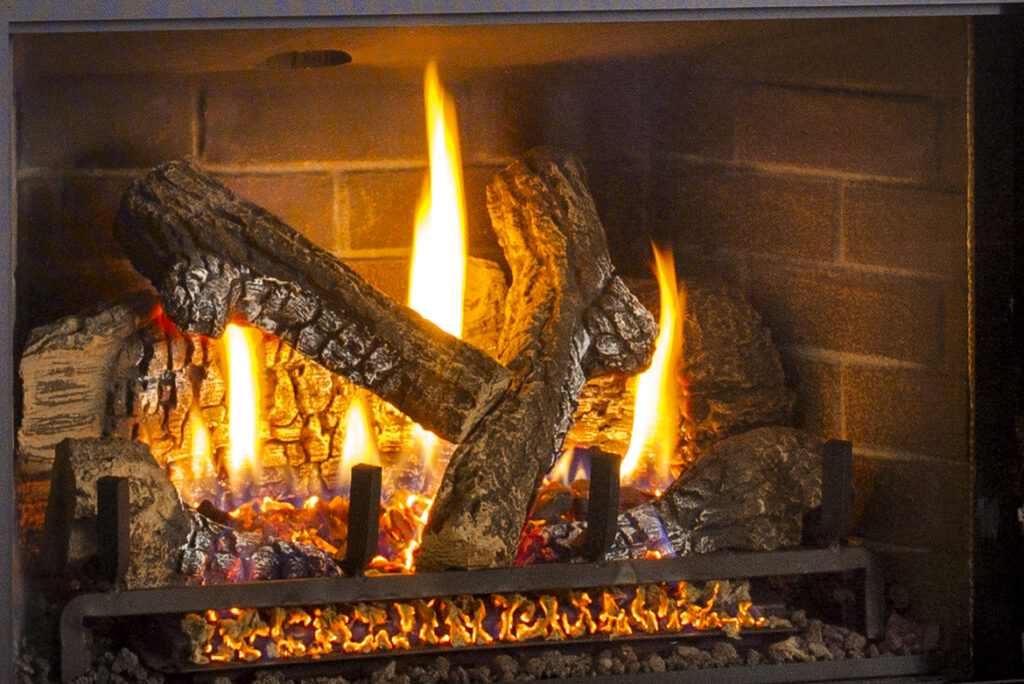
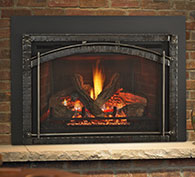
gas fireplace close up of flames

Fireplace Directory Logo

Looking for a professional fireplace installation company near you? Fireplace Directory can help! Find a qualified fireplace specialist today.

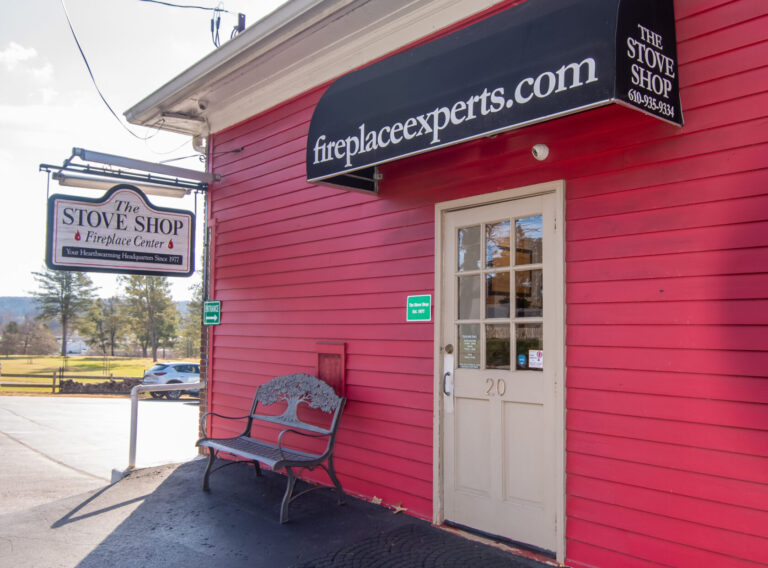
the stove shop storefront