
How to Replace Your Wood Stove Gasket?
Maintaining the gasket on your wood stove is essential to maximize efficiency and keep heating costs down. An old or worn gasket allows too much air to enter, causing your stove to burn fuel too quickly. Over time, this can reduce the stove’s lifespan and even lead to dangerous over-firing. A poor seal also uses more fuel, burning through your valuable firewood supply quicker than a well sealed wood stove.
When Do I Need to Replace My Wood Stove’s Rope Gasket?
Short answer, when it fails. This should not be frequently! Maybe every 5-15 years depending on use. Once the gasket no longer provides a seal, your wood stove loses heating efficiency. You do not want your stove to be leaky. Too much air is how overfiring and unrepairable damage occurs. We replace ours every 4-6 years on average with heavy use.
Six Reasons Why Replacing a Your Wood Stove’s Rope Gasket is Essential
1) Maintains a Proper Seal
- The rope gasket creates an airtight seal between the stove door and the firebox. Over time, the gasket can become worn, compressed, or brittle, allowing air to leak into the stove.
- Air leaks disrupt the stove’s combustion process, making it less efficient and harder to control.
2) Improves Heating Efficiency
- A compromised gasket can lead to uncontrolled airflow, causing the fire to burn too quickly and wasting wood fuel.
- With a new gasket, your stove will burn wood more efficiently, producing more heat with less fuel.
3) Enhances Safety
- Leaks around the door can allow smoke, carbon monoxide, or sparks to escape into your home.
- A properly sealed door ensures that the stove operates safely, keeping harmful gases contained.
4) Extends the Stove’s Lifespan
- Excess air entering the stove can cause the fire to overheat, potentially damaging the stove’s internal components, such as the firebricks, baffles, or metal body.
- Replacing the gasket helps regulate the fire’s intensity and protects your stove from excessive wear.
5) Reduces Glass Soot Buildup
- A worn gasket allows air to flow unevenly, leading to faster soot buildup on the glass door.
- A new gasket promotes even airflow, keeping the glass cleaner for longer and improving your view of the fire.
6) Easy and Affordable Maintenance
- Rope gaskets are inexpensive and straightforward to replace, making it a simple DIY maintenance task for most homeowners.
- Regular replacement (typically every 1–2 years or as needed) ensures your stove operates at peak performance.
How to Know It’s Time to Replace Your Wood Stove’s Rope Gasket?
- The door feels loose or doesn’t close tightly.
- You notice increased smoke or soot on the glass.
- The fire burns unusually fast or inconsistently.
- The gasket appears frayed, brittle, or flattened when inspected.
By replacing the rope gasket regularly, you’ll keep your wood stove safe, efficient, and enjoyable for years to come.
What to do before buying replacement wood stove gasket rope?
1. Identify Your Appliance and Locate the Ratings Plate
Determining the exact make and model is essential because gaskets are not “one-size-fits-all”.
- Locate the Plate: Most wood stoves have a metal ratings plate on the back, while fireplace inserts typically have them slid underneath the firebox or behind the decorative surround.
- Capture the Details: Take a clear photo of this plate to have the model and serial number handy when ordering parts.
- Learn more on our Fireplace Expert Blog: How to Find the Make, Model and Serial Number for Your Fireplace or Stove?
2. Use Reliable Resources to Find Your Manual
Once you have your model number, find the manufacturer’s official specifications.
- Owner’s Manual: This is the most reliable source for the exact diameter and density of gasket required.
- Search Online: Use resources like ManualsLib or the manufacturer’s website to download your document.
3. Accurately Measure the Channel (The Professional Way)
If you cannot find your manual, do not measure the old gasket, as it is likely compressed and will give an inaccurate reading.
- Measure the Groove: Measure the width and depth of the door’s metal channel (groove) where the gasket sits.
- Select the Size: Use a measurement that corresponds to the width of this channel to ensure a snug fit.
- Add Extra Length: Measure the total perimeter and order at least one additional foot of material to account for miscalculations and prevent fraying at the joints.
4. Choose High-Quality Materials and Fresh Cement
- Gasket Material: Look for high-quality graphite-impregnated fiberglass rated for at least 1,000°F; this material stays flexible longer and resists creosote.
- Fresh Cement: Always buy a new tube of high-temperature gasket cement (rated for 800°F–2,000°F) for each replacement. Avoid using old, opened tubes, as they can dry out or fail to bond properly.
- Adhesive Choice: Standard gasket cement is common.
5. Essential Installation Preparation
- Safety First: Ensure the stove is completely cold before starting. Wear a dust mask and gloves when removing old material, as old adhesives can release fine particles.
- Bare Metal Cleaning: Use a flathead screwdriver, wire brush, or steel wool to scrape the channel down to the bare metal. Any leftover residue will compromise the new airtight seal.
- The Dollar Bill Test: After installation and curing (typically 24 hours), test your work by closing the door on a dollar bill; if it resists being pulled out, you have achieved a proper seal.
What is the Best Rope Gasket to Use for Replacement?
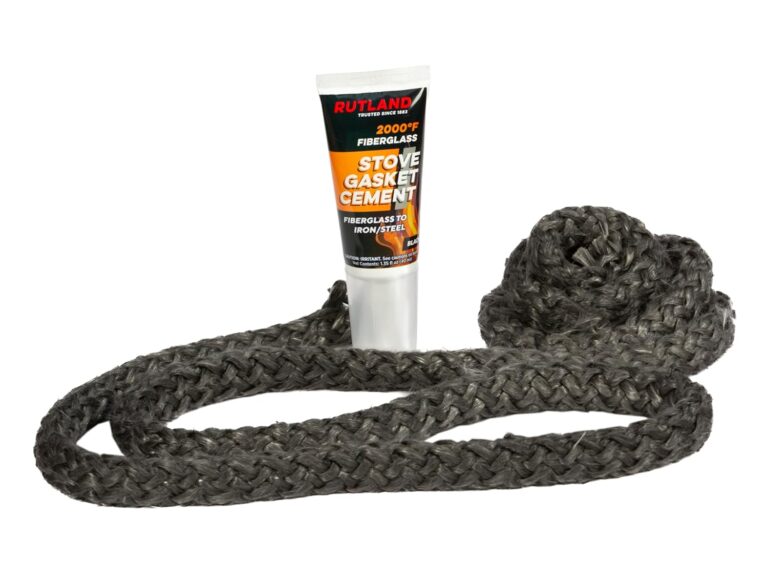
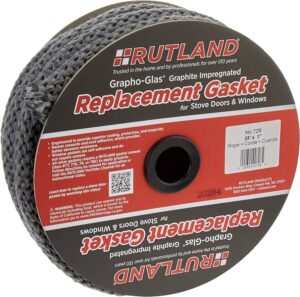
Rutland Grapho-Glas is widely considered the industry standard for wood stove rope gasket replacement. Its advanced engineering offers several specific advantages over generic white fiberglass ropes, making it a favorite for both professionals and DIY homeowners. Make sure you have the correct rope gasket thickness and length before purchasing!
Why Choose Rutland Rope Gasket?
- Superior Durability: The fiberglass is graphite-impregnated, which significantly increases abrasion resistance and longevity compared to standard gaskets.
- Creosote Resistance: The graphite coating acts as a barrier that resists creosote and soot adhesion, ensuring the gasket doesn’t get “stuck” or brittle over time.
- High Temperature Rating: These gaskets are safely rated for temperatures up to 1,000°F (530°C), which is essential for the intense heat produced by modern wood and pellet stoves.
- OEM Quality: Rutland is so highly regarded that many leading stove manufacturers use Rutland gasket as their original equipment (OEM) standard.
- Airtight Performance: The braiding is engineered to resist unraveling and fraying, maintaining a consistent, airtight seal for maximum stove efficiency.
Choosing the Right Rope Gasket Kit
Rutland offers gaskets in both standalone ropes and convenient all-in-one kits.
All-in-One Replacement Rope Gasket Kits: These include a 7-foot rope and a tube of Rutland E-Z Spread Fiberglass Stove Gasket Cement. Most homeowners prefer these kits because they provide exactly the right amount of adhesive for the job. Some of the cement in these kits can sit for too long. You might need to buy another if you go with a kit.
How Long Does Rope Gasket Cement Take to Dry?
While older adhesives required a heat cure, many Rutland kits now feature cement that cures fully in 24 hours at room temperature. This allows you to replace the gasket one day and enjoy a smoke-free fire the next. It also means the cement is typically single use despite our most optimistic projections and desires over the years.
How to properly install rope gasket in your wood stove or wood fireplace insert?
Installing a rope gasket in your wood stove or wood fireplace insert is an essential maintenance task that helps ensure the efficiency and safety of your heating system. A worn-out gasket can lead to air leaks, reducing the stove’s efficiency and increasing the risk of smoke entering your home.
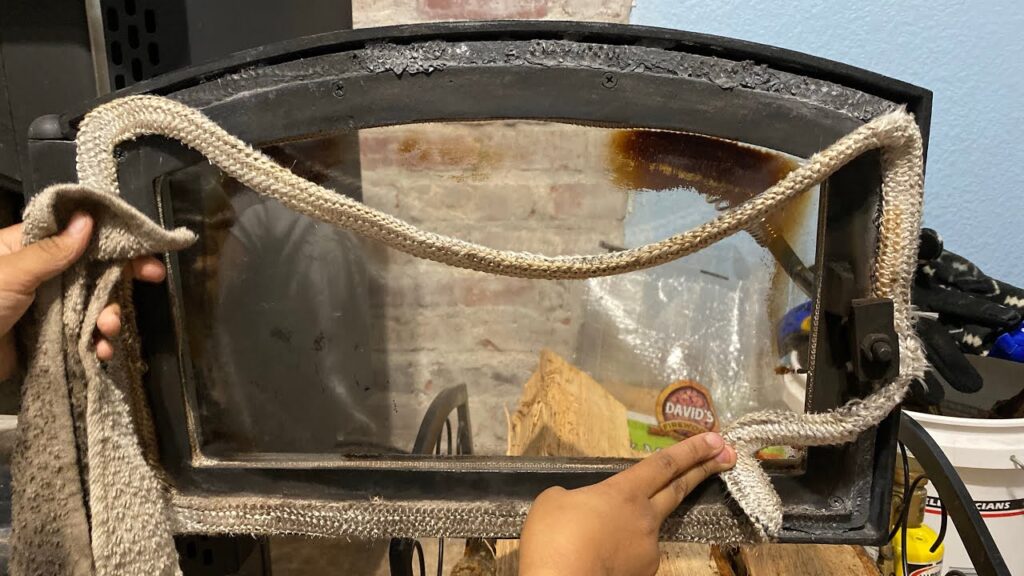
Step-by-step guide on how to install wood stove rope gasket:
1. Gather Your Materials – New rope gasket of the correct diameter and length for your stove or insert. Gasket adhesive designed for high temperatures. Scissors or a sharp knife to cut the gasket. A wire brush or sandpaper to clean the groove. Protective gloves to keep your hands clean and safe.
2. Remove the Old Gasket – Open the stove or insert door and locate the old gasket. It’s usually seated in a groove around the door’s perimeter. Carefully remove the old gasket. You may need to use a screwdriver or pliers to start, but be gentle to avoid damaging the groove. Clean out any residue or adhesive left in the groove using a wire brush or sandpaper. The surface must be clean for the new adhesive to bond properly.
3. Prepare the New Gasket – Measure the groove where the gasket will go to determine the length of rope gasket you need. Add a couple of inches to ensure you have enough. Cut the gasket to length with scissors or a sharp knife.
4. Apply Adhesive – Apply a bead of high-temperature gasket adhesive inside the groove. Follow the manufacturer’s instructions for the adhesive you’re using, as some may require a waiting period before placing the gasket. Work in sections if the adhesive sets quickly.
5. Install the Gasket – Starting at one end, press the rope gasket firmly into the groove. Make sure it’s seated evenly all the way around. For corners or curves, gently bend the gasket without stretching it, to maintain its thickness and effectiveness. If your stove has a specific point where the gasket ends meet, align them as required. Some manufacturers recommend slightly overlapping the ends, while others suggest butting them together without overlap.
6. Trim and Secure – Once the gasket is fully seated, trim any excess material at the ends to ensure a perfect fit. Close the door to press the gasket into place and allow the adhesive to set according to the manufacturer’s instructions, usually 24 hours before firing up the stove.
7. Test for Leaks – After the adhesive has cured, check the seal by closing the door on a piece of paper. If you can pull the paper out easily with the door closed, the seal may not be tight enough, and you should check the gasket for gaps or uneven areas.
How to be certain that your wood stove rope gasket is installed safely and test your install?
The Dollar Bill Test
Our favorite way to determine if wood stove rope gasket is properly installed is with the dollar bill test.
After the adhesive has cured, perform the “Dollar Bill Test”:
- Close the stove door on a dollar bill.
- Try pulling it out. If it slips out easily, your gasket may not be tight enough, or the size might be incorrect.
- If it resists but can be pulled out with effort, the fit is perfect.
- If it doesn’t budge or tears, the gasket may be too thick or improperly installed.
How to do the Dollar Bill Test?

Learn more about wood burning, wood stoves and wood heat:
- How to Best Store Firewood for Winter?
- Fireplace Upgrade Buying Guide
- Pennsylvania Fireplace Fuel Cost Guide
- Why Do You Need a Specialized Fireplace Ash Bucket?
- Where to Buy Firewood for my Wood Stove in Chester County, PA?
- How to Start a Wood Stove Fire: Firewood Burning Guide
- Cord Wood Versus Crib Wood | EPA Wood Stove Testing

We are grateful to be of use on your home heating journey. If you ever have any questions, please reach out.
Thank you for taking the time to read this article. We have a number of affiliate links in this article. Our local, family business gets a small percentage every time you buy something based on our recommendation. It doesn’t impact you and it helps us.
Regular gasket replacement keeps your wood stove operating safely and efficiently. If you need help finding the right parts or want professional installation, visit The Stove Shop. Serving Chester, Delaware, and Montgomery Counties in Pennsylvania since 1977, we specialize in brands from Hearth & Home Technologies, including Vermont Castings, Heat & Glo, Harman, SimpliFire, Heatilator, Quadra-Fire, and Majestic.



3 Responses